Tin: The Unsung Hero of Modern Packaging and Preservation
Tin: The Unsung Hero of Modern Packaging and Preservation
Table of Contents
-
What is Tin and Why Does It Matter?
-
A Historical Journey: From Ancient Metalwork to Modern Tinplate
-
Modern Applications of Tin and Tinplate Containers
-
Pros and Cons of Today’s Tinplate Solutions
-
Expert Perspectives on Sustainability and Innovation
-
FAQs About Tin and Tinplate Products
What is Tin and Why Does It Matter?


Tin is a malleable, corrosion-resistant metal that has shaped human civilization for millennia. Today, it’s most widely used in tinplate steel—a thin steel sheet coated with tin—to create durable, airtight containers for food, beverages, cosmetics, and more. These containers, often called “tins”, balance practicality with sustainability, making them indispensable in industries ranging from gourmet foods to luxury gifting.
A Historical Journey: From Ancient Metalwork to Modern Tinplate
Ancient Beginnings
Tin’s history dates back to 3000 BCE, when it was alloyed with copper to create bronze, revolutionizing tools and weapons. By 1500 BCE, tin trade routes connected Europe to the Mediterranean, laying the groundwork for its future role in packaging.
The Birth of the Tin Can
In 1810, British merchant Peter Durand patented the tin can, using tinned iron (iron coated with tin) to preserve food for Napoleon’s armies. These early cans were hand-soldered and required a hammer to open, but they transformed long-term food storage for naval expeditions.
Industrial Revolution and Mass Production
The 19th century saw tinplate steel production soar, driven by innovations like the Bessemer process. Companies like Huntley & Palmers and Cadbury adopted decorative tins for biscuits and chocolates, turning them into Victorian-era status symbols—much like today’s gift tin boxes and coffee tins.
Wartime Utility to Modern Sustainability
During WWII, iron tin containers became vital for military rations. Post-war, manufacturers shifted focus to consumer goods, refining designs for ease of use and recyclability. Today’s tinplate aligns with global sustainability goals, as seen in recyclable tin cans and airtight ground coffee containers.
Modern Applications of Tin and Tinplate Containers
Food and Beverage Preservation
-
Airtight Freshness: Blocks oxygen, light, and moisture to extend shelf life (e.g., canned soups, coffee in a tin).
-
Eco-Friendly Packaging: 100% recyclable tinplate reduces plastic waste.
Luxury and Lifestyle
-
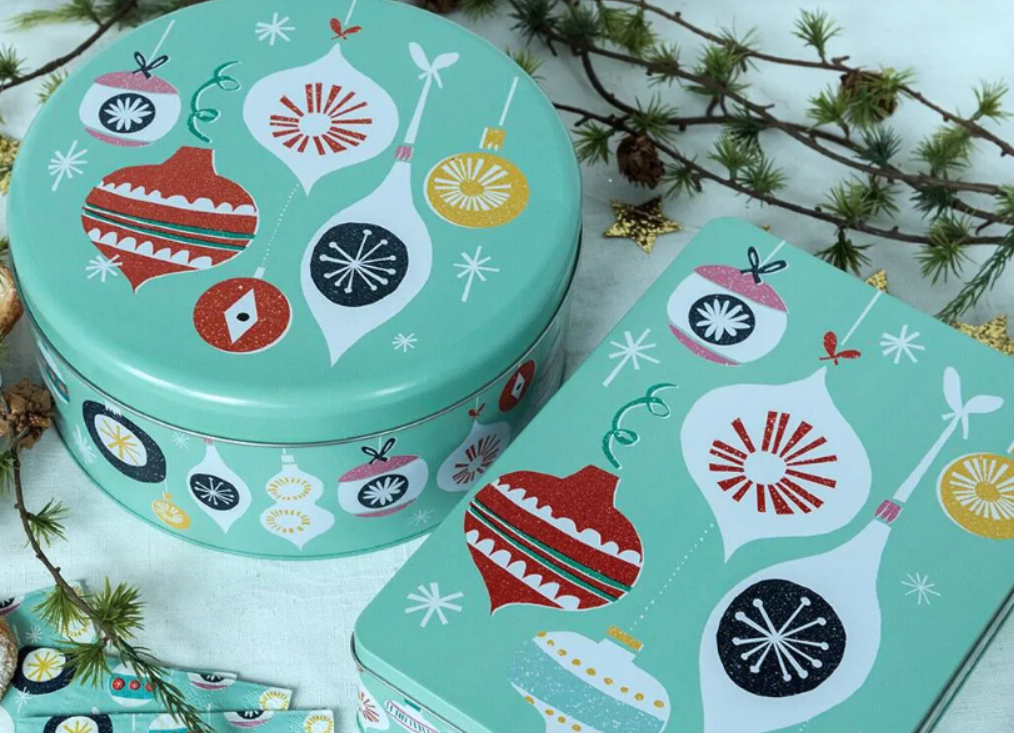
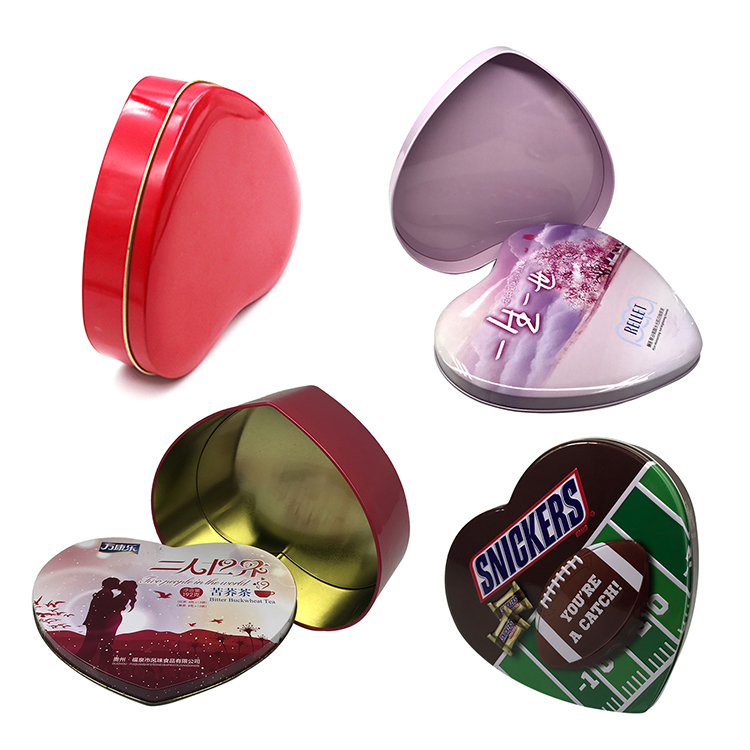
Gift Packaging: Ornate tins for teas, cookies, and cosmetics (see popcorn gift tins).
-
Home Décor: Repurposed tins as planters, storage jars, or vintage collectibles.
Industrial Uses
-
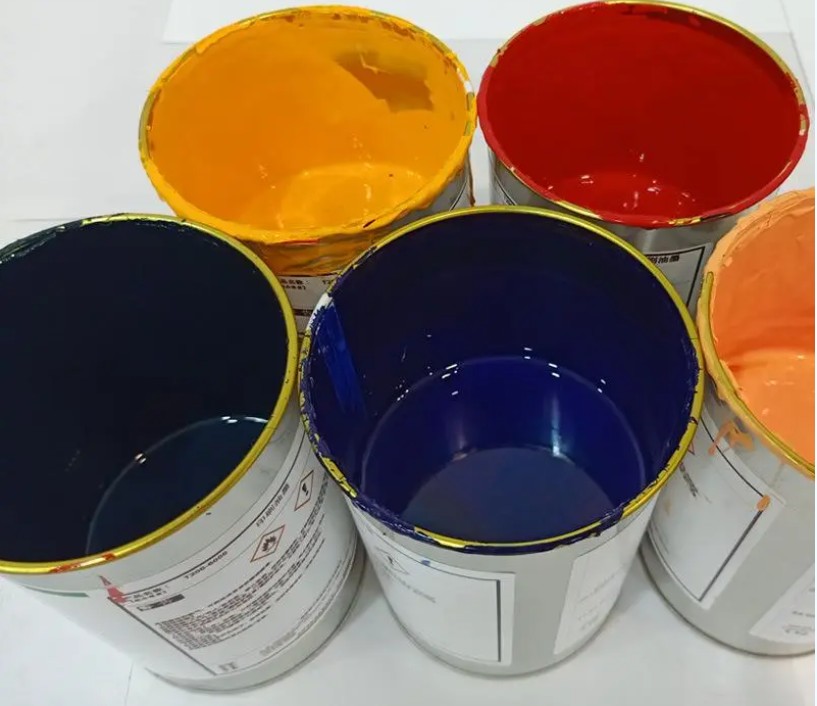
Chemical Storage: Tin’s corrosion resistance makes it ideal for paints and solvents.
-
Electronics: Tin plating prevents rust in circuits and connectors.
Please look at another article Airtight Ground Coffee Containers: Freshness, Sustainability, and Timeless Design
Pros and Cons of Today’s Tinplate Solutions
Advantages
-
Durability: Resistant to rust, dents, and extreme temperatures.
-
Sustainability: Infinitely recyclable without quality loss.
-
Versatility: Adaptable for food, gifts, and industrial uses.
Disadvantages
-
Weight: Heavier than plastic alternatives, increasing shipping costs.
-
Cost: Higher production expenses compared to single-use packaging.
-
Recycling Gaps: Limited infrastructure in some regions hinders full circularity.
Expert Perspectives on Sustainability and Innovation
Dr. Emily Carter (quoted in our airtight ground coffee container article) emphasizes:
“Tinplate steel is a cornerstone of the circular economy. Its recyclability and durability make it a sustainable choice, but global systems need upgrading to recover and reuse materials efficiently.”
Dr. James Fowler, a materials scientist, adds:
“Modern tin coatings are thinner yet more effective than ever, reducing material use while maintaining performance—a win for both cost and ecology.”
FAQs About Tin and Tinplate Products
1. Is tinplate the same as aluminum?
No. Tinplate is steel coated with tin, while aluminum is a separate metal. Both are recyclable but differ in weight and applications.
2. Are tin cans safe for food storage?
Yes! Modern food-grade tinplate uses BPA-free liners to prevent contamination.
3. How do I recycle tinplate containers?
Rinse, remove labels, and place in metal recycling bins. Tinplate steel is 100% recyclable.
4. Why choose tin over plastic for packaging?
Tin offers superior freshness protection, reusability, and eco-friendliness—critical in a plastic-polluted world.
Conclusion
From ancient bronze tools to today’s recyclable tin cans, tin has quietly shaped human progress. Its modern applications—whether preserving coffee freshness or elevating gift packaging—prove that this humble metal remains vital in a sustainable future. Like its cousins cookie tins and gift tin boxes, tinplate continues to blend tradition with innovation, one sealed container at a time.
Have a tin-related question or hack? Share it below!
Holiday Tins: Festive Charm Meets Sustainable Functionality
Airtight Ground Coffee Containers: Freshness, Sustainability, and Timeless Design
Related Article