Pills Tin: The Versatile Packaging Solution with Tinplate Advantage
author: jeremy
2025-11-25
Pills Tin: The Versatile Packaging Solution with Tinplate Advantage
Table of Contents
-
1. Introduction to Pills Tin and Tinplate
-
2. Recent News: Tinplate Packaging Industry Updates (2024-2025)
-
3. Core Advantages of Tinplate Pills Tins
-
4. Pros and Cons of Modern Tinplate Tins
-
5. Expert Insights on Tinplate Pills Tin Application
-
6. FAQ: Common Questions About Tinplate Pills Tins
-
7. Conclusion


1. Introduction to Pills Tin and Tinplate
When it comes to packaging for pharmaceuticals, health supplements, or even small electronic components, pills tins have long been a trusted choice. Among the various materials used for crafting these tins, tinplate—a thin sheet of steel coated with tin—stands out for its unique combination of functionality and sustainability. A pills tin made of tinplate is not just a container; it’s a guardian of the products inside, ensuring their safety, freshness, and longevity. In this blog, we’ll delve into the world of tinplate pills tins, exploring their advantages, latest industry trends, expert perspectives, and more.
2. Recent News: Tinplate Packaging Industry Updates (2024-2025)
2.1 Global Tinplate Demand Rises Amid Sustainable Packaging Trend
According to a report released by the International Tin Association (ITA) in October 2024, the global demand for tinplate used in packaging has increased by 8.3% year-on-year. This growth is largely driven by the pharmaceutical and food industries’ shift towards eco-friendly packaging solutions. Major pharmaceutical companies like Pfizer and Novartis have announced plans to replace 60% of their plastic pill packaging with tinplate tins by 2026, citing tinplate’s recyclability and protective properties.
2.2 Technological Innovation: Anti-Counterfeiting Tinplate Pills Tins Debut
In January 2025, a leading packaging manufacturer based in Germany launched a new line of tinplate pills tins integrated with QR code and micro-engraving technologies. These tins allow consumers to scan the QR code to verify the authenticity of the pills inside, addressing the global issue of counterfeit pharmaceuticals. The company reported that this innovation has already secured partnerships with three top Asian pharmaceutical firms.
2.3 Tinplate Recycling Rate Hits New High in Europe
The European Steel Association (EUROFER) announced in December 2024 that the recycling rate of tinplate packaging in the EU reached 92%, a new record high. This surpasses the recycling rates of plastic (32%) and aluminum (76%), reinforcing tinplate’s position as a circular economy champion. Governments across Europe have introduced tax incentives for companies using tinplate packaging, further boosting its adoption.
3. Core Advantages of Tinplate Pills Tins
3.1 Superior Product Protection
3.1.1 Barrier Against External Factors
Tinplate exhibits excellent barrier properties, effectively blocking moisture, oxygen, light, and dust from entering the pills tin. This is crucial for pharmaceuticals, as many pills and supplements are sensitive to these elements—moisture can cause pill disintegration, while oxygen may lead to oxidation and reduced efficacy. A study conducted by the Pharmaceutical Packaging Consortium found that pills stored in tinplate tins retain 95% of their potency after 12 months, compared to 78% in plastic packaging.
3.1.2 Physical Durability
Tinplate is highly durable and resistant to deformation, even during transportation and handling. Unlike glass containers that are prone to breakage or plastic tins that can crack, tinplate pills tins maintain their shape and integrity, reducing the risk of product damage. This durability also makes them suitable for long-term storage.
3.2 Environmental Sustainability
3.2.1 High Recyclability
As highlighted in the recent EUROFER news, tinplate is one of the most recyclable packaging materials. It can be recycled infinitely without losing its quality, and the recycling process consumes 74% less energy than producing new tinplate. This aligns with the global push for carbon neutrality and makes tinplate pills tins a preferred choice for eco-conscious brands.
3.2.1 Non-Toxic and Food-Safe
Tinplate is coated with food-grade tin, which is non-toxic and does not react with the contents of the pills tin. This ensures that no harmful chemicals leach into the pills, guaranteeing consumer safety. Unlike some plastic materials that may release toxins when exposed to heat, tinplate remains stable under various temperature conditions.
3.3 Versatility in Design
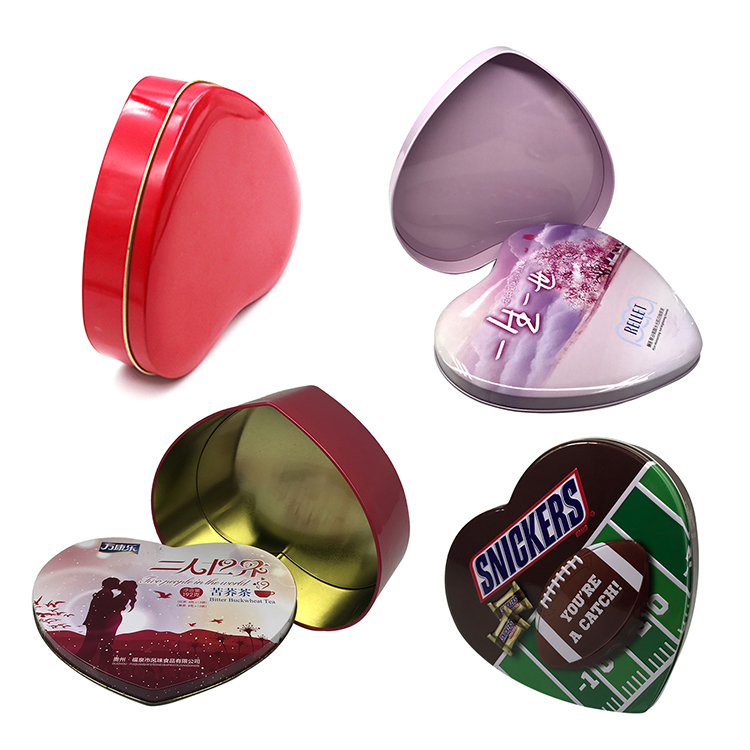
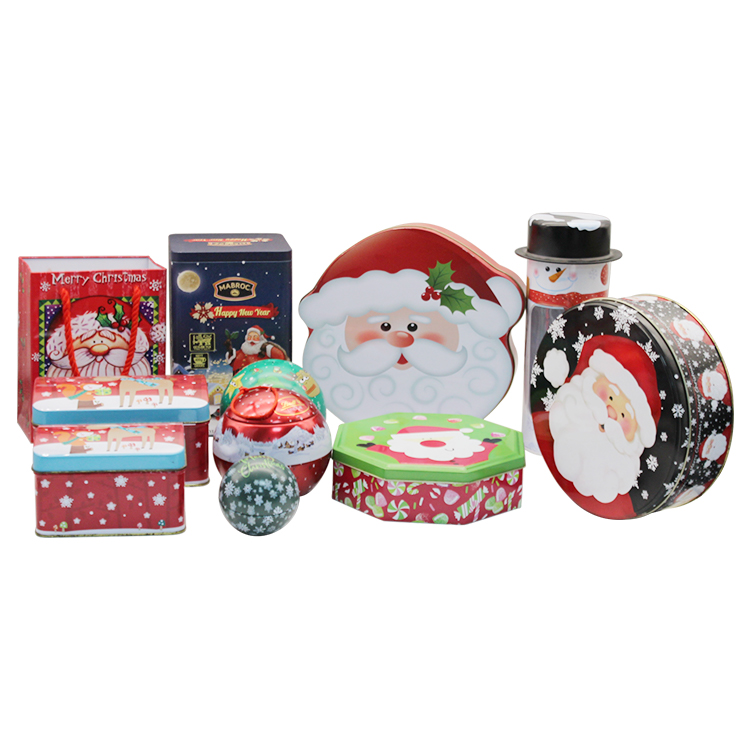
Tinplate is highly malleable, allowing for a wide range of design possibilities for pills tins. It can be printed with high-quality graphics, logos, and product information, enhancing brand visibility. Manufacturers can also create custom shapes and sizes to meet specific packaging needs—from small tins for travel-sized pills to larger containers for bulk supplements. The sleek and premium appearance of tinplate also adds value to the product.
4. Pros and Cons of Modern Tinplate Tins
4.1 Advantages (Recap and Expansion)
-
Exceptional Protection: As discussed, tinplate’s barrier properties and durability ensure maximum product safety.
-
Eco-Friendly: High recyclability and low carbon footprint support sustainable practices.
-
Brand Enhancement: Customizable designs and premium look boost brand image.
-
Longevity: Tinplate tins have a longer lifespan than many other packaging materials, making them reusable (e.g., for storing small items after the pills are used).
4.2 Disadvantages
-
Higher Initial Cost: Compared to plastic packaging, tinplate tins have a higher production cost. However, this is often offset by their durability and recyclability incentives.
-
Weight: Tinplate is heavier than plastic and aluminum, which can increase transportation costs. Manufacturers are addressing this by developing thinner tinplate sheets without compromising strength.
-
Potential for Rust: While tin coating prevents rust, if the coating is damaged (e.g., scratches), the underlying steel may rust. This requires proper handling and storage.
5. Expert Insights on Tinplate Pills Tin Application
5.1 Dr. Elena Marquez, Packaging Materials Specialist at MIT
“Tinplate has been a staple in packaging for over a century, and its relevance today is stronger than ever. For pharmaceuticals, where product integrity is non-negotiable, tinplate’s ability to block light and oxygen is unmatched. The recent technological advancements, such as anti-counterfeiting features, are making it even more valuable. While cost is a concern for some brands, the long-term benefits—including reduced product waste and enhanced consumer trust—far outweigh the initial investment.”
5.2 Mark Johnson, CEO of a Leading Global Packaging Firm
“We’ve seen a 30% increase in orders for tinplate pills tins in the past year, primarily from pharmaceutical companies in emerging markets. These brands are realizing that sustainable packaging isn’t just a trend—it’s a business imperative. Consumers are more likely to choose products with eco-friendly packaging, and tinplate helps brands meet that demand. We’re also investing in lightweight tinplate technologies to address the transportation cost issue, which we expect will drive even more adoption.”
6. FAQ: Common Questions About Tinplate Pills Tins
6.1 Are tinplate pills tins microwave-safe?
No, tinplate is a metal, and metal containers should never be used in microwaves as they can cause sparks and damage the appliance. Tinplate pills tins are designed for storage, not heating.
6.2 How should I recycle tinplate pills tins?
Tinplate tins can be recycled with other metal containers (e.g., aluminum cans) in most curbside recycling programs. Before recycling, empty the tin and rinse it if necessary to remove any residue.
6.3 Can tinplate pills tins be customized for small businesses?
Yes, many packaging manufacturers offer custom tinplate pills tins for small businesses, with minimum order quantities (MOQs) that are manageable. Customization options include size, shape, printing, and additional features like child-resistant lids.
6.4 Do tinplate pills tins affect the taste of pills?
No, the food-grade tin coating on tinplate prevents any interaction between the metal and the pills, so there is no impact on taste or potency.
6.5 How long do tinplate pills tins last?
When properly stored (in a dry, cool place), tinplate pills tins can last for years. The tin coating protects the steel from rust, and the durable structure ensures they remain functional for extended periods.
7. Conclusion
Tinplate pills tins are more than just packaging—they are a reliable, sustainable, and versatile solution that meets the unique needs of the pharmaceutical and supplement industries. With their exceptional product protection, eco-friendly properties, and customizable designs, they continue to gain popularity amid the global shift towards sustainable packaging. While they have some drawbacks, ongoing technological innovations are addressing these issues, making tinplate an even more compelling choice. As experts note, the future of pills tin packaging is firmly rooted in tinplate, driven by consumer demand for safety, sustainability, and quality.
Coatings for Metal Packaging: Green Compliance & Smart Innovation Reshape the Global Can Industry
Chocolates in Tin Box: A Timeless Combination of Taste and Quality
Related Article

Driven by booming consumer upgrading trends and global low-carbon and environmental policies, the packaging industry has evolved far beyond simple product containment and protection. As a high-end mainstream packaging solution, metal tin cans are embracing comprehensive disruptive upgrades and defining new development trajectories amid fierce market competition in 2026.
Metal Can Industry Trends 2026: From Functional Packaging to Value Empowerment, Reshaping Competitive Logic
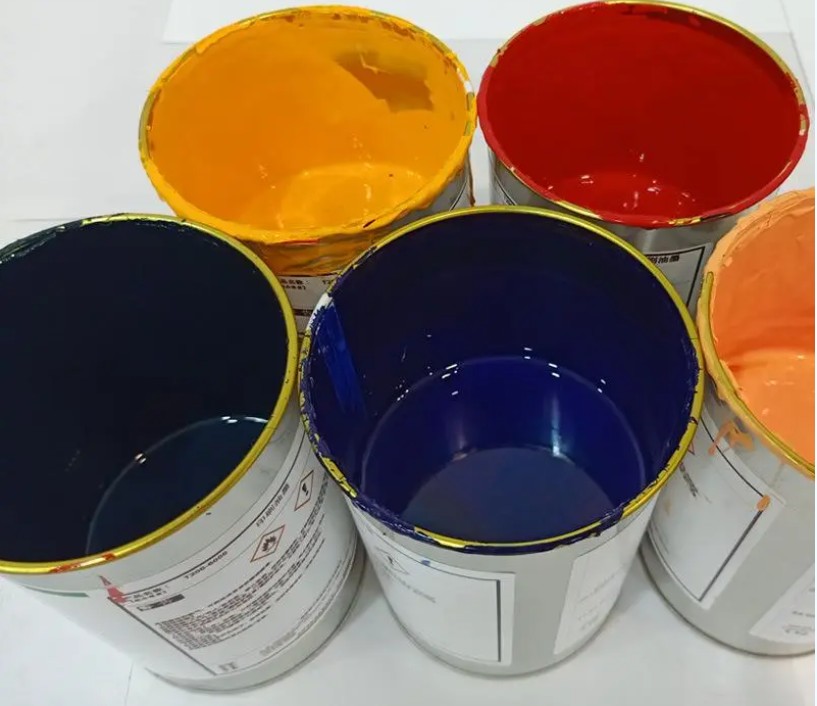
As the “invisible guardian” of metal packaging, coatings for printed metal & tinplate are undergoing an unprecedented industrial transformation driven by tightening environmental regulations and rising consumer demands. Every development in this sector now shapes the trajectory of the global metal packaging and can-making industry.
Coatings for Metal Packaging: Green Compliance & Smart Innovation Reshape the Global Can Industry