Chocolates in Tin Box: A Timeless Combination of Taste and Quality
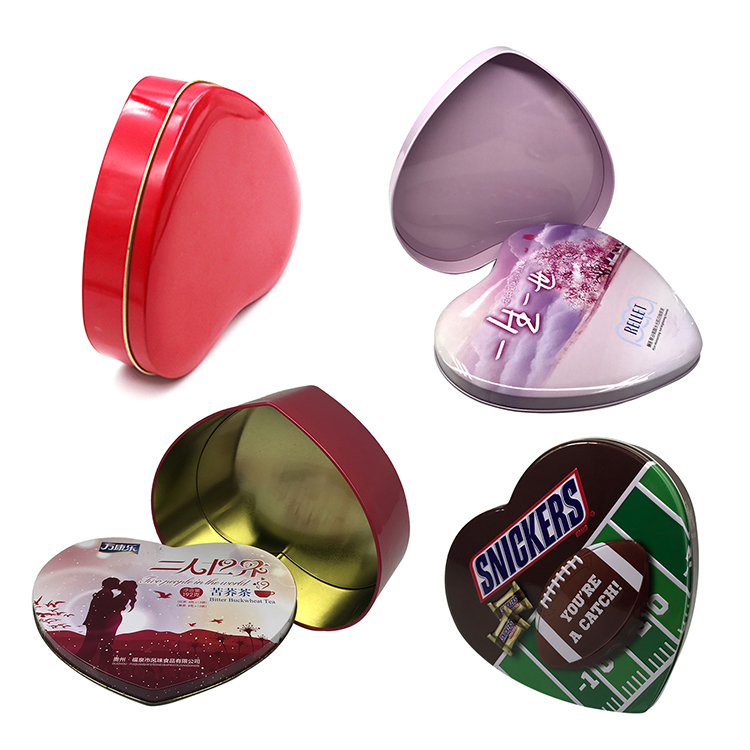
Chocolates in Tin Box: A Timeless Combination of Taste and Quality
Table of Contents
- Introduction: Why Chocolates and Tin Boxes Are a Perfect Match
- Key Advantages of Tin Boxes for Chocolate Packaging
- Latest News: Tin Cans and Tinplate Packaging Trends (2024-2025)
- Pros and Cons of Modern Tinplate Boxes: A Balanced View
- Expert Insights: The Future of Chocolate Packaging
- Frequently Asked Questions (FAQs) About Tin Box Chocolate Packaging
- Conclusion: Embracing the Charm of Chocolates in Tin Boxes


1. Introduction: Why Chocolates and Tin Boxes Are a Perfect Match
Walk into any premium chocolate shop, and you’ll likely spot rows of chocolates in tin boxes—from vintage-inspired designs to sleek, modern styles. This pairing isn’t just about aesthetics; it’s a marriage of functionality and tradition. Chocolates are delicate: they absorb odors easily, melt at moderate temperatures, and lose their rich flavor when exposed to light and air. Tin boxes, with their unique properties, address all these challenges. For over a century, confectioners have relied on tinplate packaging to preserve the integrity of their chocolates, while consumers cherish the boxes long after the treats are gone—using them for storage, keepsakes, or gifting. In this blog, we’ll explore why this combination endures, the latest trends in tin packaging, and what experts say about its future.
2. Key Advantages of Tin Boxes for Chocolate Packaging
Tin boxes (also known as tinplate boxes or tin can) stand out among packaging materials for chocolates, thanks to a set of unbeatable benefits. Here are the most significant ones:
2.1 Superior Protection for Delicate Chocolates
Chocolates are sensitive to external factors, and tin boxes act as a robust shield. They offer excellent barrier properties against light, oxygen, moisture, and odors—four enemies of chocolate quality. Unlike plastic or paper packaging, tinplate doesn’t let UV rays penetrate, preventing chocolate from developing a dull appearance or “bloom” (the white film caused by fat or sugar crystallization). Additionally, the airtight seal of tin boxes keeps chocolates fresh for months, making them ideal for gifting or long-distance shipping.
2.2 Eco-Friendly and Sustainable
In an era of growing environmental awareness, tinplate’s recyclability is a major advantage. Tin cans and boxes are 100% recyclable, and the recycling process requires far less energy than producing new materials. Unlike single-use plastic, which can take centuries to decompose, tinplate can be recycled repeatedly without losing quality. This aligns with the sustainability goals of both confectionery brands and eco-conscious consumers.
2.3 Versatile and Brand-Building Design
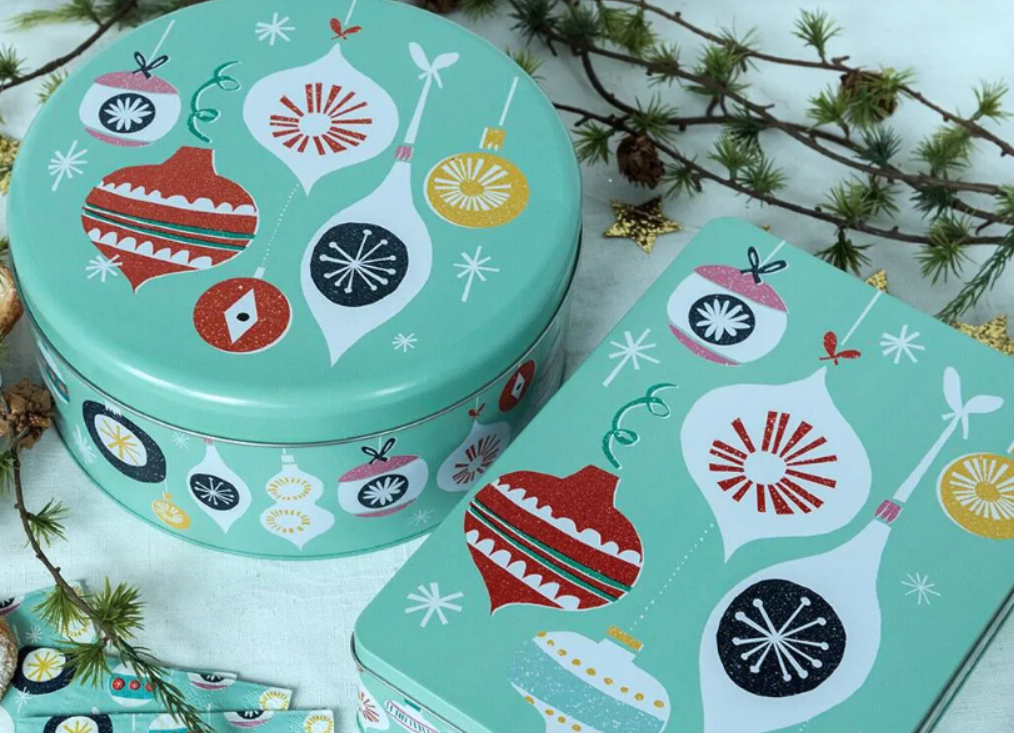
Tin boxes are highly customizable, allowing brands to showcase their identity through unique designs, colors, and finishes. From embossed logos to limited-edition artwork, the metal surface supports various printing techniques that make chocolate tins stand out on store shelves. What’s more, consumers often reuse these tins for storing jewelry, stationery, or even other snacks—turning packaging into a long-lasting brand reminder. This “reusability factor” adds value beyond the chocolate itself.
2.4 Durability for Gifting and Storage
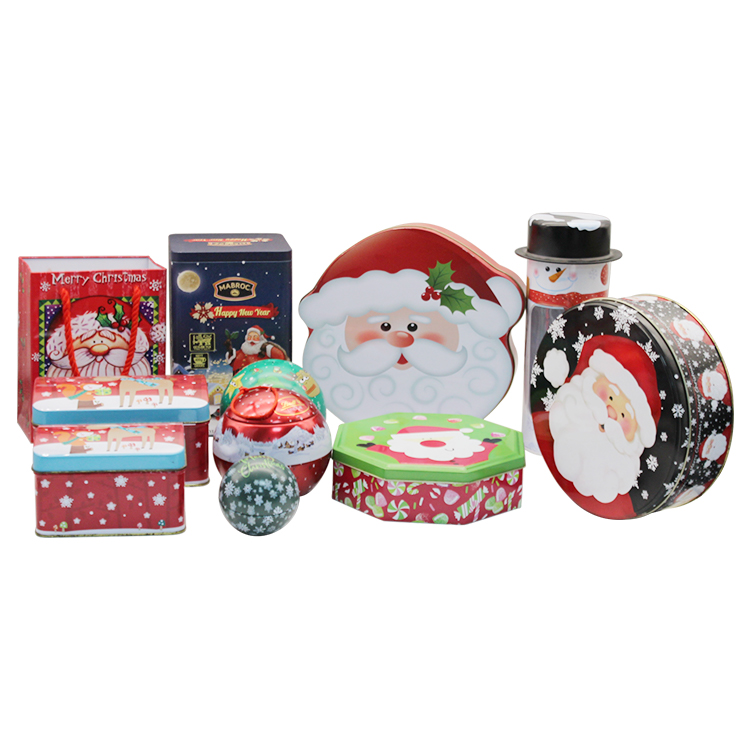
Unlike fragile paper boxes or easily dented plastic containers, tin boxes are sturdy and shock-resistant. This makes them perfect for gifting during holidays like Christmas, Valentine’s Day, or Easter. A beautifully designed chocolate tin feels more luxurious than other packaging options, and its durability ensures the chocolates arrive in perfect condition.
3. Latest News: Tin Cans and Tinplate Packaging Trends (2024-2025)
The tinplate packaging industry is evolving, with new trends and innovations shaping how chocolates are packaged. Here are the latest updates:
3.1 Premium Chocolate Brands Embrace Limited-Edition Tin Boxes
In March 2025, Packaging World reported that luxury chocolate brands like Godiva and Lindt have launched limited-edition chocolate collections in custom tin boxes. These tins feature collaborative artwork with local artists, turning the packaging into a collectible item. According to the report, sales of these limited-edition sets increased by 35% compared to the same period last year, proving that unique tin packaging drives consumer interest.
3.2 EU’s New Packaging Regulations Boost Tinplate Demand
As of January 2024, the European Union’s new Single-Use Plastics Directive has banned certain plastic packaging types, including some used for confectionery. This has led to a surge in demand for tinplate boxes. The International Tin Association (ITA) stated that tinplate usage in the European chocolate industry rose by 22% in the first half of 2024, as brands switch to more sustainable options.
3.3 Innovations in Lightweight Tinplate Technology
In April 2025, Japanese packaging manufacturer Toyo Seikan announced the launch of a new lightweight tinplate material for chocolate boxes. The material retains the same barrier properties as traditional tinplate but is 15% lighter, reducing transportation costs and carbon emissions. Major Japanese chocolate brand Royce’ has already adopted this material for its popular truffle tins, with positive feedback from both retailers and consumers.
4. Pros and Cons of Modern Tinplate Boxes: A Balanced View
While tin boxes offer numerous benefits, they aren’t without drawbacks. Let’s break down the pros and cons to provide a comprehensive perspective:
4.1 Pros
- Longevity and Reusability: Tin boxes can last for years, making them a sustainable alternative to single-use packaging.
- Excellent Product Protection: As mentioned earlier, their barrier properties keep chocolates fresh and intact.
- Brand Enhancement: Customizable designs help brands differentiate themselves and build customer loyalty.
- Recyclability: 100% recyclable, supporting circular economy goals.
4.2 Cons
- Higher Initial Cost: Tinplate packaging is more expensive to produce than plastic or paper, which can be a barrier for small confectionery brands.
- Weight: Even with lightweight innovations, tin boxes are heavier than plastic, increasing shipping costs for large orders.
- Design Limitations for Small Runs: Custom printing on tin boxes is cost-effective for large production runs but can be pricey for small batches.
5. Expert Insights: The Future of Chocolate Packaging
We spoke to two industry experts to get their take on the role of tin boxes in chocolate packaging:
5.1 Dr. Emma Carter, Packaging Sustainability Expert at the University of Sheffield
|
“Tinplate is uniquely positioned to thrive in the future of confectionery packaging. As consumers become more eco-conscious, they’re willing to pay a premium for sustainable options—and tin boxes deliver on that. The latest innovations in lightweight materials and recyclable coatings are addressing the cost and weight concerns, making tinplate a viable choice for brands of all sizes. I expect to see more collaborations between chocolate brands and packaging manufacturers to create even more innovative, sustainable tin designs in the next five years.” |
5.2 Mark Henderson, Senior Packaging Manager at Nestlé Confectionery
|
“At Nestlé, we’ve increased our use of tinplate for premium chocolate lines like Quality Street by 40% in the past two years. The reason is simple: consumers love the reusability of tin boxes, and it aligns with our commitment to achieving net-zero carbon emissions by 2050. We’re also exploring ways to make tin packaging more interactive—for example, adding QR codes that link to recipes or brand stories. This turns the tin from a simple container into an engagement tool, which is crucial for connecting with younger consumers.” |
6. Frequently Asked Questions (FAQs) About Tin Box Chocolate Packaging
6.1 Is tinplate packaging safe for storing chocolates?
Yes, tinplate is completely safe for food storage. Most chocolate tins have a food-grade lining (such as enamel or lacquer) that prevents direct contact between the chocolate and the metal, ensuring no chemical transfer. This lining is approved by food safety authorities worldwide, including the FDA and EU Food Safety Agency.
6.2 How long can chocolates stay fresh in a tin box?
When stored in an airtight tin box in a cool, dry place (ideally between 15-20°C), chocolates can stay fresh for 3-6 months—much longer than in plastic or paper packaging. Avoid storing the tin near heat sources (like stoves or direct sunlight) or strong odors (like spices), as this can affect the chocolate’s flavor.
6.3 Are tin boxes more expensive than other packaging options?
Yes, tin boxes typically have a higher upfront cost than plastic or paper. However, their reusability and brand-building value often offset this cost. For premium chocolate brands, the perceived luxury of tin packaging also allows for higher price points, increasing profit margins.
6.4 Can tin boxes be recycled, and how?
Tin boxes are 100% recyclable. Simply rinse out any remaining chocolate residue, remove any non-metal parts (like plastic hinges or paper labels), and place the tin in your household recycling bin. The metal is then melted down and reused to make new tin products, with no loss of quality.
6.5 What’s the minimum order quantity for custom chocolate tin boxes?
Minimum order quantities (MOQs) vary by manufacturer, but most require 1,000-5,000 units for custom designs. Smaller brands can often find suppliers that offer lower MOQs for standard tin sizes, or they can partner with other small businesses to split a larger order and reduce costs.
7. Conclusion: Embracing the Charm of Chocolates in Tin Boxes
Chocolates in tin boxes are more than just a packaging choice—they’re a tradition that combines quality, sustainability, and brand value. From their superior protection for delicate chocolates to their recyclable nature and customizable designs, tin boxes address the key needs of both brands and consumers. The latest industry trends, from limited-edition collectibles to lightweight innovations, prove that tinplate packaging is evolving to meet modern demands. While it has some drawbacks, the benefits of tin boxes—especially in terms of sustainability and consumer appeal—make them a timeless option for chocolate packaging. Whether you’re a confectionery brand looking to stand out or a consumer searching for the perfect gift, chocolates in tin boxes are a choice that delivers on taste, quality, and purpose.
Pills Tin: The Versatile Packaging Solution with Tinplate Advantage
Metal Storage Bins: Why Tinplate Cans Are Still a Top Choice in 2025
Related Article