Metal Storage Bins: Why Tinplate Cans Are Still a Top Choice in 2025
Metal Storage Bins: Why Tinplate Cans Are Still a Top Choice in 2025
Table of Contents
- Introduction: The Resilience of Tinplate Storage Solutions
- Recent Headlines: Tin & Metal Can Industry Highlights (2024-2025)
- Key Advantages of Tinplate Metal Storage Bins
- Pros & Cons: A Realistic Look at Modern Tinplate Cans
- Expert Perspective: Why Tinplate Beats Alternatives for Storage
- FAQ: Common Questions About Tinplate Metal Storage Bins
- Conclusion: Embracing Tinplate for Sustainable Storage


Metal Storage Bins: Why Tinplate Cans Are Still a Top Choice in 2025
1. Introduction: The Resilience of Tinplate Storage Solutions
In an era dominated by plastic, glass, and composite materials, tinplate metal storage bins continue to hold their ground—and for good reason. Often referred to as tinplate storage tins in Chinese, these containers blend durability, sustainability, and versatility in a way few alternatives can match. Whether used for food storage, home organization, or industrial applications, tinplate bins have evolved with the times while retaining the core qualities that made them a staple for over a century. This blog dives into their modern appeal, latest industry trends, and whether they’re the right choice for your storage needs.
2. Recent Headlines: Tin & Metal Can Industry Highlights (2024-2025)
The tinplate and metal can industry is far from stagnant—here are three recent developments that highlight their growing relevance:
2.1 Coca-Cola’s Tinplate Packaging Revival (March 2025)
In a bid to boost sustainability, Coca-Cola announced it will roll out tinplate storage tins for its premium snack lines across Europe and Asia. The move replaces plastic packaging and leverages tinplate’s 98% recyclability rate. “Consumers want packaging that works beyond the product—something they can reuse,” said the company’s Global Packaging Director. The tins, designed with airtight lids, are marketed as “storage solutions for pantries and desks.”
2.2 EU’s New Metal Can Recycling Mandate (January 2025)
The European Union’s Circular Economy Action Plan now requires member states to achieve a 95% recycling rate for tinplate and steel cans by 2030—up from the current 82%. Industry groups report that tinplate’s magnetic properties make it easier to sort than plastic, driving down recycling costs. This policy has spurred brands like Nestlé and Unilever to increase their use of tinplate for dry goods storage.
2.3 Chinese Manufacturers Lead in Tinplate Innovation (November 2024)
Guangdong-based tinplate producers introduced lightweight yet durable tin cans using advanced alloy technology. These new bins are 20% lighter than traditional models while maintaining the same strength, making them ideal for shipping and consumer use. The innovation comes as China’s “Green Packaging Upgrade” initiative pushes for more eco-friendly storage options.
3. Key Advantages of Tinplate Metal Storage Bins
Tinplate’s enduring popularity stems from a unique set of benefits that address both practical and environmental needs:
3.1 Exceptional Durability
Unlike plastic, which cracks or fades over time, or glass, which is fragile, tinplate resists dents, scratches, and extreme temperatures. It can withstand heavy use in garages, workshops, or kitchens without degrading—making it a long-term investment. A well-made tinplate bin can last 5-10 years, far outpacing plastic alternatives.
3.2 Superior Airtightness
Tinplate bins are often fitted with rubber-sealed lids that create an airtight barrier, perfect for storing food items like coffee, tea, or grains. This prevents moisture, pests, and oxygen from spoiling contents, reducing food waste. For home bakers or anyone storing dry goods, this is a game-changer.
3.3 Eco-Friendly & Recyclable
Tinplate is 100% recyclable with no loss of quality, and it can be recycled infinitely. Unlike plastic, which often ends up in landfills, tinplate’s recycling process uses 74% less energy than producing new steel. This aligns with global sustainability goals and consumer demand for eco-conscious products.
3.4 Versatile Design Options
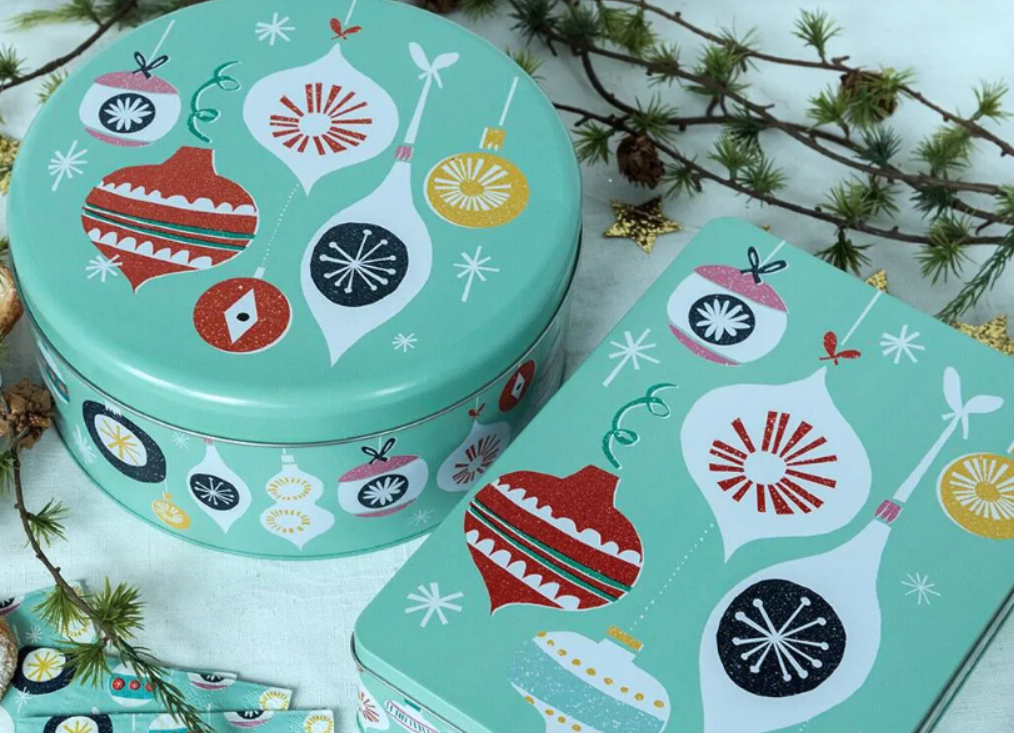
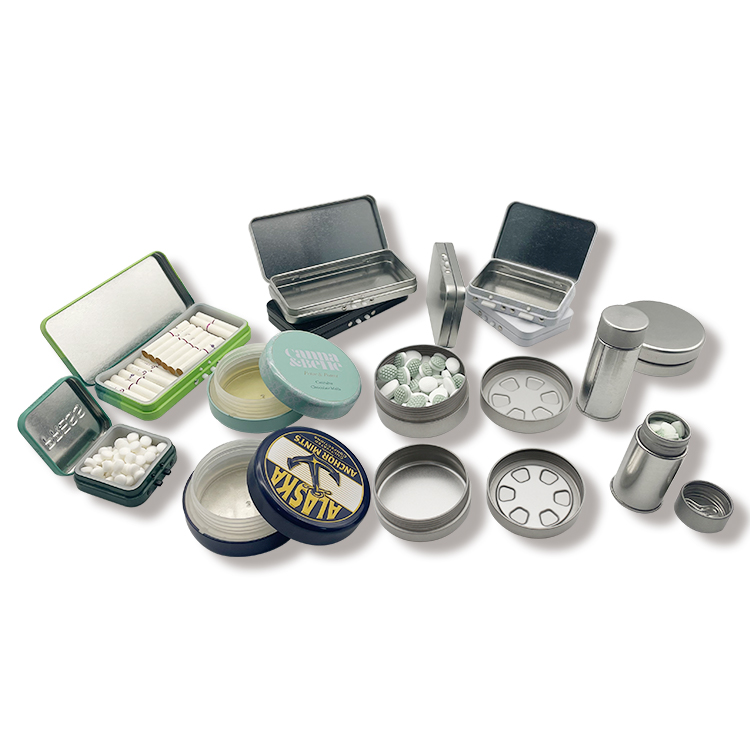
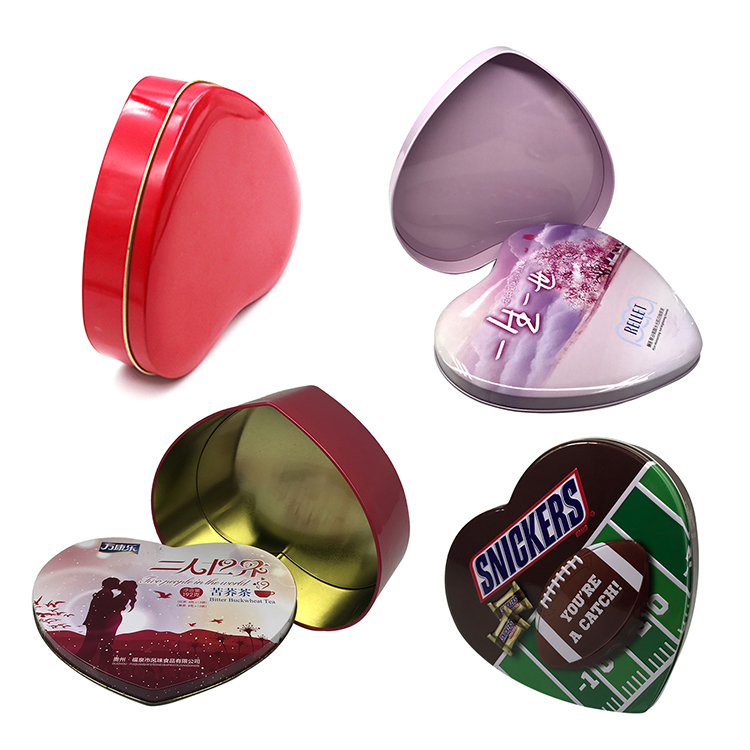
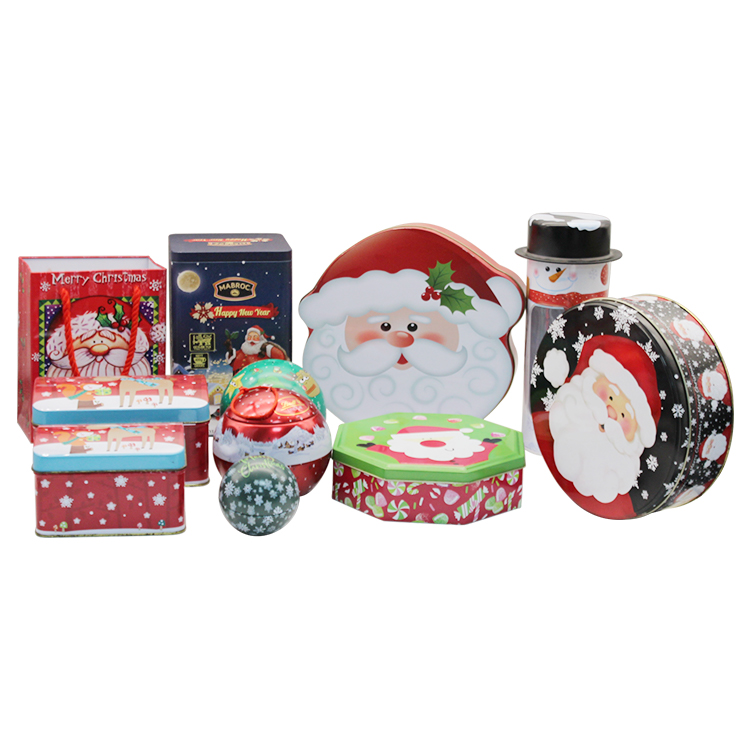
Tinplate is easy to print on and mold into various shapes and sizes, from small decorative tins for jewelry to large industrial bins for tools. Brands and consumers alike appreciate the customization—whether it’s a vintage-inspired design for a kitchen or a plain bin for workshop storage.
3.5 Food-Safe & Non-Toxic
Tinplate is coated with a food-grade layer that prevents contact between the metal and contents, making it safe for storing edible items. Unlike some plastics that leach chemicals, tinplate poses no health risks, a critical factor for families and food businesses.
4. Pros & Cons: A Realistic Look at Modern Tinplate Cans
While tinplate has many strengths, it’s important to consider its limitations to make an informed choice:
4.1 Pros
- Long lifespan (5-10 years with proper care)
- 100% recyclable and sustainable
- Airtight and pest-resistant
- Food-safe and non-toxic
- Resistant to extreme temperatures and UV light
4.2 Cons
- Heavier than plastic, which may increase shipping costs
- Prone to rust if exposed to constant moisture (easily prevented with proper care)
- Initial cost is higher than low-quality plastic bins (offset by longer lifespan)
- Not microwave-safe (must transfer contents to a microwave-safe dish)
5. Expert Perspective: Why Tinplate Stands Out in Storage Solutions
To gain deeper insight, we spoke with Dr. Emily Chen, a materials scientist and sustainability expert at the International Packaging Institute.
5.1 Dr. Chen’s Take on Tinplate’s Future
|
“Tinplate metal storage bins are a rare example of ‘old technology’ that’s only gotten better with time. Unlike plastic, which relies on fossil fuels, tinplate is made from iron ore—a abundant resource—and its recycling loop is closed and efficient. What’s most exciting is the recent innovation in lightweighting: we’re seeing tins that are just as strong but easier to handle, which addresses one of the last remaining consumer complaints. As consumers become more focused on ‘reduce, reuse, recycle,’ tinplate’s ability to be reused for years (before being recycled) makes it a clear winner over single-use or short-lived alternatives.” |
6. FAQ: Common Questions About Tinplate Metal Storage Bins
6.1 Q: How do I prevent my tinplate bin from rusting?
A: Keep the bin dry—wipe up spills immediately and avoid storing it in damp areas like basements without proper ventilation. If the surface gets wet, dry it thoroughly. For extra protection, you can apply a thin layer of food-safe oil to the exterior (avoiding the interior if used for food).
6.2 Q: Are tinplate bins suitable for outdoor storage?
A: Yes, but choose bins labeled “weather-resistant” (they have a thicker protective coating). Avoid leaving them exposed to heavy rain or snow for extended periods—store them under a covered patio or in a shed when not in use.
6.3 Q: Can I use tinplate bins to store liquids?
A: Only if the bin is specifically designed for liquids (look for leakproof seals). Most standard tinplate bins are better for dry goods, as prolonged contact with liquids can lead to rusting from the inside.
6.4 Q: How much do tinplate storage bins cost compared to plastic?
A: A small tinplate bin (1-2 liters) costs $5-$10, while a similar plastic bin is $2-$5. For larger bins (10+ liters), tinplate ranges from $15-$30, vs. $8-$15 for plastic. While tinplate is more expensive upfront, its 5-10 year lifespan means it’s cheaper per year of use.
6.5 Q: Are tinplate bins microwave or dishwasher safe?
A: No—tinplate is metal, so it cannot be used in microwaves. Most are not dishwasher safe (the high heat and water can damage the coating); hand wash with mild soap and dry thoroughly.
7. Conclusion: Embracing Tinplate for Sustainable Storage
Metal storage bins—especially those made from tinplate—are more than just a nostalgic choice. They’re a practical, eco-friendly solution that fits modern needs, from reducing food waste to supporting sustainability goals. With recent industry innovations addressing their few limitations and growing policy support for recyclable packaging, tinplate bins are poised to remain a top storage option for years to come. Whether you’re organizing your kitchen, garage, or business, a tinplate bin is an investment that pays off in durability, versatility, and peace of mind.
Chocolates in Tin Box: A Timeless Combination of Taste and Quality
Metal Food Storage Bins: Why Tin Cans Remain a Top Choice in 2025
Related Article