Coatings for Metal Packaging: Green Compliance & Smart Innovation Reshape the Global Can Industry
author: Jeremy
2026-05-29
Coatings for Metal Packaging: Green Compliance & Smart Innovation Reshape the Global Can Industry
As the “invisible guardian” of metal packaging, coatings for printed metal & tinplate are undergoing an unprecedented industrial transformation driven by tightening environmental regulations and rising consumer demands. Every development in this sector now shapes the trajectory of the global metal packaging and can-making industry.

1. Market Trends: China Leads Global Growth, Segments Boom
The global market for coatings used in metal printing continues to expand, surpassing USD 12 billion in 2025. China contributes over 35% of global consumption, ranking as the world’s largest market and core growth engine.
Driven by surging demand for functional beverages, ready-to-eat meals, and pet food, the need for metal cans has soared, directly boosting demand for high-performance metal coatings.
- Asia-Pacific leads growth with a 6.8% CAGR; Southeast Asia emerges as a new growth pole.
- Multinational coating producers have raised local production to 60%.
- In China, customized coating solutions have doubled in three years; small and mid-sized can-makers now account for 40% of purchases.
- Chinese exports are strong: unit prices up 12% YoY, with 29% bound for ASEAN, supported by the Belt and Road Initiative.
2. Policy Drivers: Stricter Environmental & Food-Safe Rules Accelerate Industry Restructuring
In 2026, global metal-print coatings face a wave of regulatory updates, with environmental protection and food contact safety as non-negotiable thresholds.
2.1 China’s New National Standards
- GB 4806.10-2025 (Coatings for Food-Contact Materials and Articles) takes effect September 2, 2026.
- Approved raw materials expanded from 105 to 346 substances.
- Stricter limits on harmful substance migration.
- VOCs reduction target: ≥20% cut by 2025 vs. 2020 for metal packaging中国政府网.
- Waterborne coatings now represent 48% nationwide; 72% in key clusters like the Yangtze River Delta.
2.2 Global Regulatory Tightening
- EU REACH adds 4 restricted substances for metal coatings.
- US FDA shortens UV-cured coating approval to 8 months.
- Global food-contact certification costs rise 18%, squeezing smaller, less compliant firms.

3. Technical Breakthroughs: Green & Smart Innovation Unlock New Potential
The industry is racing ahead on two tracks: environmental upgrading and digital intelligence, alongside rising demand for functional performance.
3.1 Green & Eco-Friendly Advancements
- Waterborne coatings become mainstream.
- UV-curing and BPA-NI (non-intentional BPA) internal coatings are top R&D priorities.
- Example: Lacquers with near-zero VOC emissions (~1%) and curing time cut from 10–15 minutes to 1–3 seconds.
- Bio-based resins and biodegradable coatings gain focus; solvent-based lines will keep shrinking.
3.2 Smart Manufacturing Boosts Efficiency
- 65% of Chinese coating plants are digitalized, lifting productivity by 30%+.
- AI color-matching shortens lead times to 72 hours.
- China now holds 34% of global patents, leading in low-temperature curing and chrome-free treatments.
3.3 Functional Coatings Expand Applications
- Functional coatings (antibacterial, heat-resistant, corrosion-proof) reach 22% of demand.
- New growth in battery casings, medical aerosol packaging, and smart temperature-indicating finishes.
- Share expected to rise toward 30%.

4. Leading Players Launch Innovative, Safe Solutions
Global coating giants are launching next-gen, regulatory-compliant products to capture market share.
- PPG: Launched Nutrishield Max PPG 7590 (PVC‑NI, PVC‑/PFAS‑/BPA‑free) for wet pet food aluminum cans. Single-component, low-waste, high-stain resistance.
- AkzoNobel: Unveiled Accelshield™ 300 (can interior) and Accelstyle™ (exterior), free of bisphenols, styrene, PFAS, and formaldehyde, supporting the BPA-free transition worldwide.

5. Future Outlook: Green Intelligence + Globalization
Looking ahead, the sector will shift from volume growth to high-quality development, shaped by three key trends:
- Deepening green transition Bio-based and low-carbon coatings will be central; waterborne penetration to exceed 60% by 2030.
- Wider smart adoption Digital twin lines, intelligent can tracing, and full-chain collaboration will create an RMB 8 billion smart market.
- Accelerated globalization Localized production will hedge geopolitical risks; ASEAN and Belt and Road markets will drive export growth.
From policy direction to technological innovation, and from market expansion to corporate action, coatings for metal packaging are in a profound structural shift. For packaging, can-making, and coating enterprises, success lies in embracing eco-upgrading, functional innovation, digitalization, and supply-chain collaboration.
Metal Can Industry Trends 2026: From Functional Packaging to Value Empowerment, Reshaping Competitive Logic
Pills Tin: The Versatile Packaging Solution with Tinplate Advantage
Related Article

Driven by booming consumer upgrading trends and global low-carbon and environmental policies, the packaging industry has evolved far beyond simple product containment and protection. As a high-end mainstream packaging solution, metal tin cans are embracing comprehensive disruptive upgrades and defining new development trajectories amid fierce market competition in 2026.
Metal Can Industry Trends 2026: From Functional Packaging to Value Empowerment, Reshaping Competitive Logic
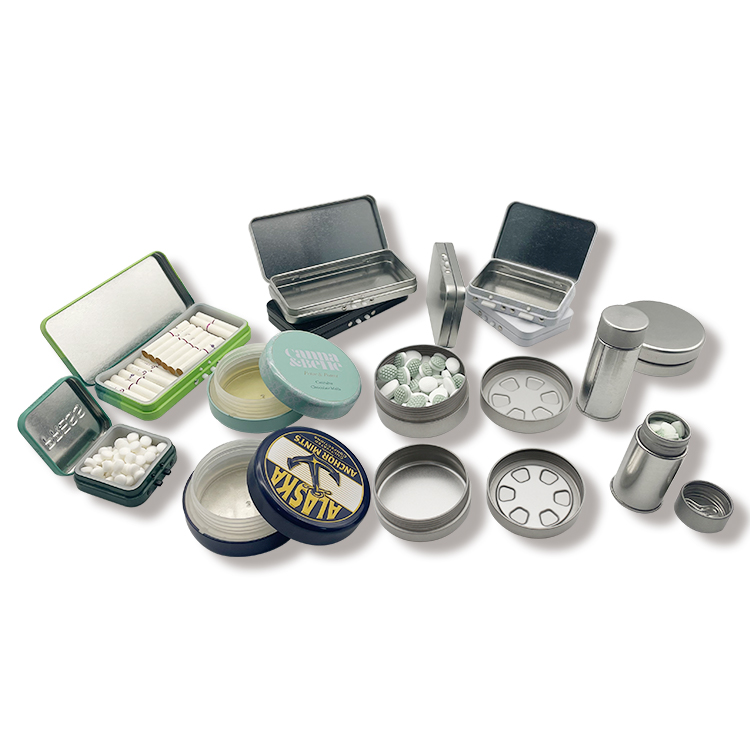
A pills tin made of tinplate is not just a container; it’s a guardian of the products inside, ensuring their safety, freshness, and longevity.
Pills Tin: The Versatile Packaging Solution with Tinplate Advantage