Airtight Ground Coffee Containers: Freshness, Sustainability, and Timeless Design
Airtight Ground Coffee Containers: Freshness, Sustainability, and Timeless Design
Table of Contents
-
What is an Airtight Ground Coffee Container?
-
The Historical Evolution of Tin, Iron, and Tinplate Storage
-
Modern Benefits of Airtight Coffee Containers
-
Pros and Cons of Modern Tinplate Coffee Storage
-
Expert Insights on Freshness and Sustainability
-
FAQs About Airtight Ground Coffee Containers
What is an Airtight Ground Coffee Container?
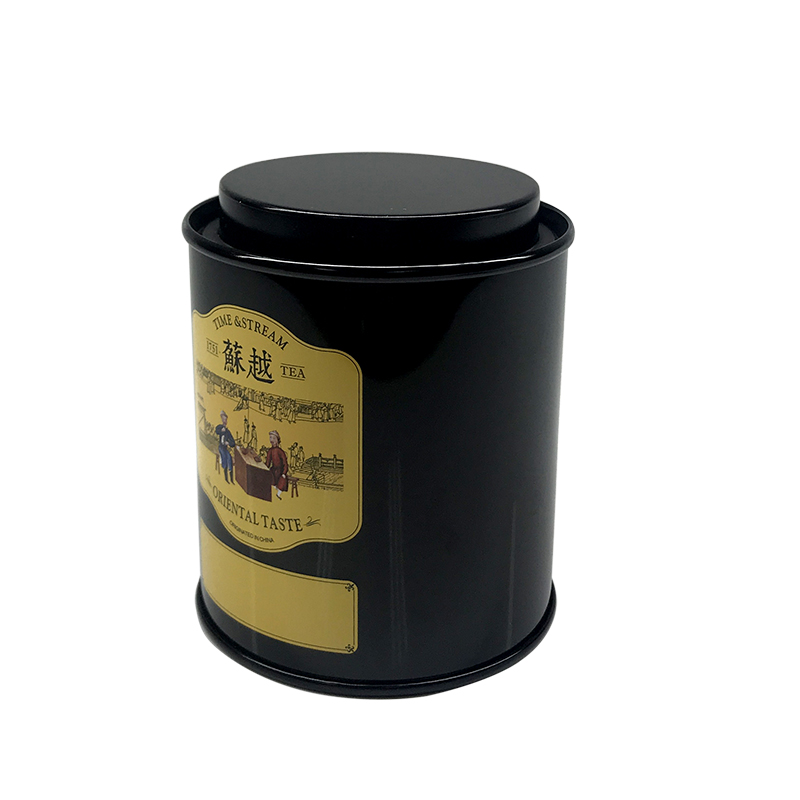

An airtight ground coffee container is a specialized storage solution made from tinplate steel or aluminum, designed to preserve coffee’s aroma, flavor, and freshness by blocking oxygen, light, and moisture. These containers often feature hermetic seals, one-way degassing valves, and UV-resistant materials, making them essential for coffee enthusiasts and eco-conscious households.
The Historical Evolution of Tin, Iron, and Tinplate Storage
The Birth of Metal Packaging
The journey began in 1810 when British merchant Peter Durand patented the tin can, using tinned iron (iron coated with tin) to revolutionize food preservation. Early cans were bulky but became critical for naval expeditions and military rations, laying the groundwork for modern airtight containers.
Industrial Revolution and Coffee Culture
By the late 19th century, tinplate steel production boomed, enabling mass-produced containers for coffee, tea, and spices. Brands like Hills Brothers and Maxwell House adopted decorative tins to market coffee, blending functionality with Victorian-era artistry—similar to today’s coffee in a tin trends.
Modern Innovations
Post-WWII advancements introduced lightweight designs, easy-open lids, and advanced liners. Today’s airtight ground coffee containers reflect this legacy, prioritizing sustainability and precision engineering, much like recyclable tin cans and gift tin boxes.
Modern Benefits of Airtight Coffee Containers
Freshness Preservation
-
Oxygen Barrier: Blocks air to prevent oxidation, the primary cause of stale coffee.
-
UV Protection: Tinplate’s opacity shields coffee from light degradation.
-
Moisture Control: Humidity-resistant seals maintain optimal grind texture.
Sustainability and Versatility
-
Reusable Design: Repurpose containers for spices, pantry staples, or DIY projects.
-
Recyclable Materials: Tinplate steel is 100% recyclable, aligning with zero-waste goals.
Aesthetic and Functional Design
From minimalist stainless steel to retro-inspired tins, these containers enhance kitchen décor while offering stackable, space-saving storage.
Please refer to another article Coffee in a Tin: Freshness, Tradition, and Sustainable Packaging
Pros and Cons of Modern Tinplate Coffee Storage
Advantages
-
Longevity: Resistant to rust, dents, and corrosion.
-
Eco-Friendly: Infinitely recyclable and reduces single-use plastic waste.
-
Freshness Guarantee: Extends coffee shelf life by up to 6 months.
Disadvantages
-
Cost: Higher upfront price compared to plastic or glass alternatives.
-
Weight: Heavier for transport, increasing shipping emissions.
Expert Insights on Freshness and Sustainability
Dr. Emily Carter (referenced in our coffee in a tin article) states:
“Airtight tinplate containers are unmatched in preserving coffee’s volatile oils and aromas. Their sustainable design supports circular economies, but consumer education is key to boosting recycling rates.”
Dr. Laura Simmons, a food scientist, adds:
“Ground coffee’s freshness declines rapidly after grinding. Airtight storage slows this process by up to 70%, making tinplate containers a smart investment for quality-focused consumers.”
FAQs About Airtight Ground Coffee Containers
1. How do I clean a tinplate coffee container?
Wash with mild soap and water, then dry thoroughly. Avoid abrasive scrubbers to preserve coatings.
2. Are tinplate containers safe for food storage?
Yes! Modern food-grade liners prevent metallic tastes and ensure safety.
3. Can I recycle coffee containers with plastic lids?
Separate metal and plastic parts before recycling. Tinplate steel is recyclable; check local guidelines for plastics.
4. How do they compare to ceramic or glass jars?
Tinplate offers better UV protection and durability, though glass allows visibility of contents.
Conclusion
From 19th-century naval storerooms to modern kitchens, airtight ground coffee containers have safeguarded flavor and freshness while embracing sustainability. Like their predecessors—coffee tins and popcorn gift tins—they prove that innovation and tradition can brew a better future.
Share your coffee storage tips in the comments below!
Tin: The Unsung Hero of Modern Packaging and Preservation
Coffee in a Tin: Freshness, Tradition, and Sustainable Packaging
Related Article