Coffee in a Tin: Freshness, Tradition, and Sustainable Packaging
Coffee in a Tin: Freshness, Tradition, and Sustainable Packaging
Table of Contents
-
What is Coffee in a Tin?
-
The Historical Legacy of Tin, Iron, and Tinplate Containers
-
Modern Benefits of Coffee in Tin Packaging
-
Pros and Cons of Modern Tinplate Coffee Tins
-
Expert Insights on Coffee Preservation and Sustainability
-
FAQs About Coffee in a Tin
What is Coffee in a Tin?
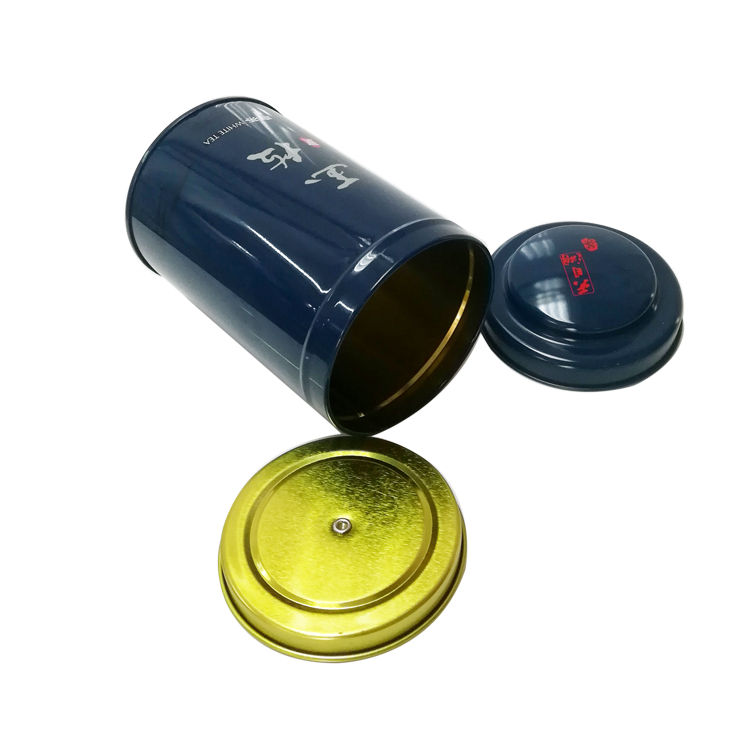
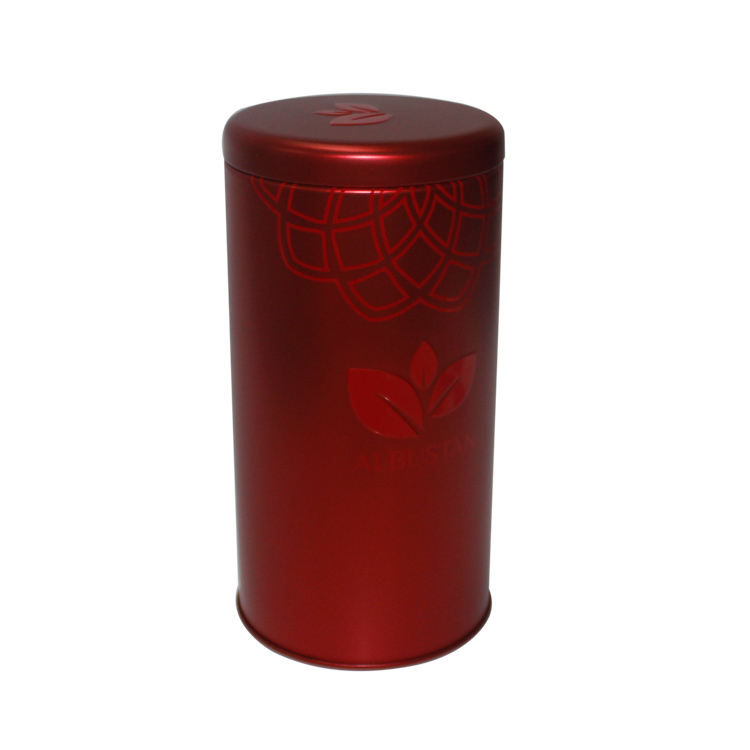
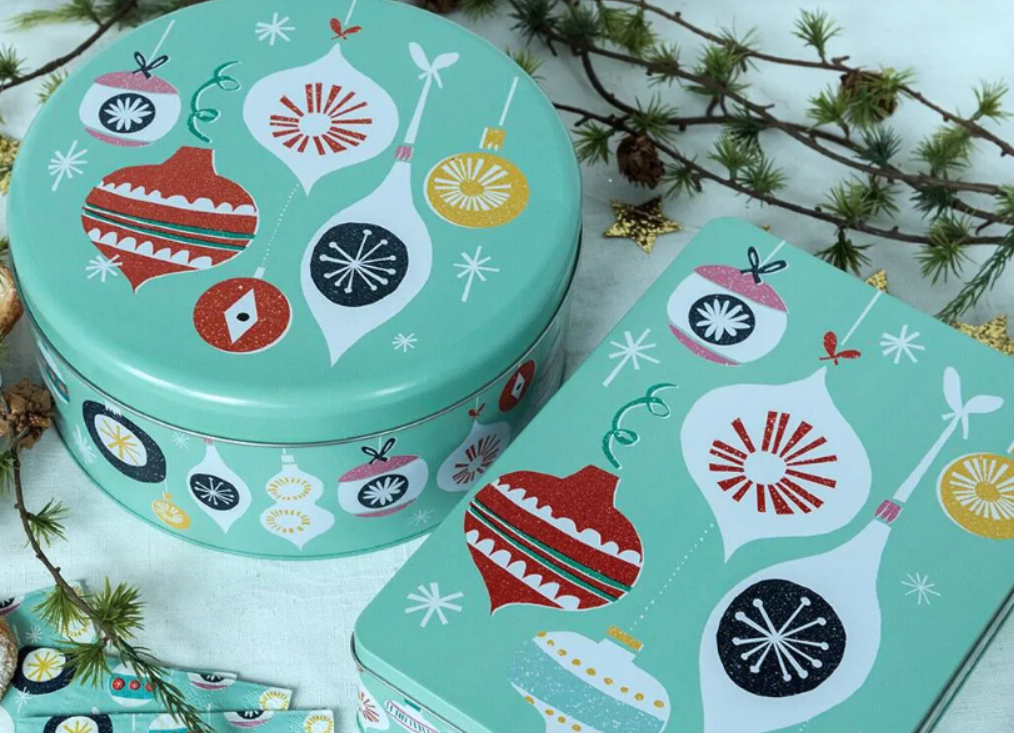
Coffee in a tin refers to coffee beans or grounds stored in airtight tinplate steel containers, designed to preserve freshness, aroma, and flavor. These tins protect coffee from light, moisture, and oxygen—key factors that degrade quality. Beyond functionality, they often feature eye-catching designs, making them reusable for storage, décor, or collectibles. Ideal for coffee lovers and eco-conscious consumers, they blend luxury with sustainable packaging solutions.
The Historical Legacy of Tin, Iron, and Tinplate Containers
Origins of Metal Packaging
The story begins in 1810 when British merchant Peter Durand patented the tin can using tinned iron (iron coated with tin). Originally designed to preserve food for naval expeditions, this innovation laid the groundwork for metal containers like coffee tins.
The Golden Age of Tinplate
By the late 19th century, tinplate steel became a hallmark of quality. Coffee brands like Hills Brothers and Folgers adopted decorative tins to market their products, combining practicality with Victorian-era artistry. These early tins were often repurposed for household storage, much like the cookie tins and gift tin boxes we see today.
Modern Innovations
Post-WWII advancements introduced easy-open lids and advanced liners, transforming coffee in a tin into a symbol of convenience and sophistication. Today’s tins prioritize sustainability, mirroring trends seen in recyclable tin cans and eco-friendly packaging.
Modern Benefits of Coffee in Tin Packaging
Freshness Preservation
-
Airtight Seals: Block oxygen and moisture, extending coffee’s shelf life.
-
UV Protection: Tinplate’s opacity prevents light degradation, unlike transparent bags.
Sustainability and Style
-
Reusable Design: Empty tins become storage for spices, office supplies, or DIY projects.
-
Recyclability: Tinplate steel is 100% recyclable, reducing landfill waste.
Brand Loyalty and Collectibility
Limited-edition tins from brands like Illy or Starbucks turn packaging into art, appealing to collectors and enhancing brand recognition.
Please refer to another article Popcorn Gift Tins: Nostalgia, Sustainability, and Smart Gifting
Pros and Cons of Modern Tinplate Coffee Tins
Advantages
-
Freshness Guarantee: Preserves coffee quality for months.
-
Eco-Friendly: Infinitely recyclable and reusable, unlike single-use plastics.
-
Aesthetic Value: Elevates kitchen décor or serves as a premium gift.
Disadvantages
-
Higher Cost: More expensive to produce than flexible packaging.
-
Weight: Bulkier for shipping, increasing transportation emissions.
Expert Insights on Coffee Preservation and Sustainability
Dr. Laura Simmons, a packaging sustainability expert (referenced in our recyclable tin cans article), emphasizes:
“Coffee in a tin strikes a balance between freshness and eco-responsibility. Tinplate steel’s impermeability locks in flavor, while its recyclability supports circular economies. However, consumer education is critical to improve global recycling rates.”
FAQs About Coffee in a Tin
1. How long does coffee stay fresh in a tin?
Unopened, coffee can last up to 12 months. Once opened, consume within 2–4 weeks for optimal flavor.
2. Can I reuse coffee tins for food storage?
Yes! Clean thoroughly and ensure they’re dry to prevent rust.
3. Are tin coffee containers better than bags?
Yes—tins offer superior protection against air and light, crucial for preserving coffee’s oils and aroma.
4. How do I recycle coffee tins?
Rinse, remove labels, and place in metal recycling bins. Tinplate steel is endlessly recyclable!
Conclusion
From 19th-century naval voyages to modern artisanal roasters, coffee in a tin has brewed a legacy of quality and sustainability. Much like its cousins—food tins and gift tin boxes—it proves that thoughtful design can preserve both flavor and the planet.
Share your favorite coffee tin hacks in the comments below!
Airtight Ground Coffee Containers: Freshness, Sustainability, and Timeless Design
Popcorn Gift Tins: Nostalgia, Sustainability, and Smart Gifting
Related Article