Tin Garbage Can with Lid: Combining Durability and Hygiene
Tin Garbage Can with Lid: Combining Durability and Hygiene
Table of Contents
-
What is a Tin Garbage Can with Lid?
-
The Historical Roots of Tin and Iron Containers
-
Modern Uses of Tin Garbage Cans with Lids
-
Pros and Cons of Modern Tinplate Garbage Cans
-
Expert Opinions on Waste Management Design
-
FAQs About Tin Garbage Cans with Lids
What is a Tin Garbage Can with Lid?
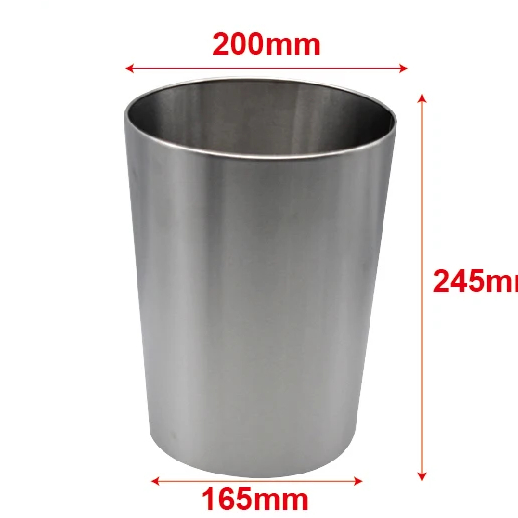
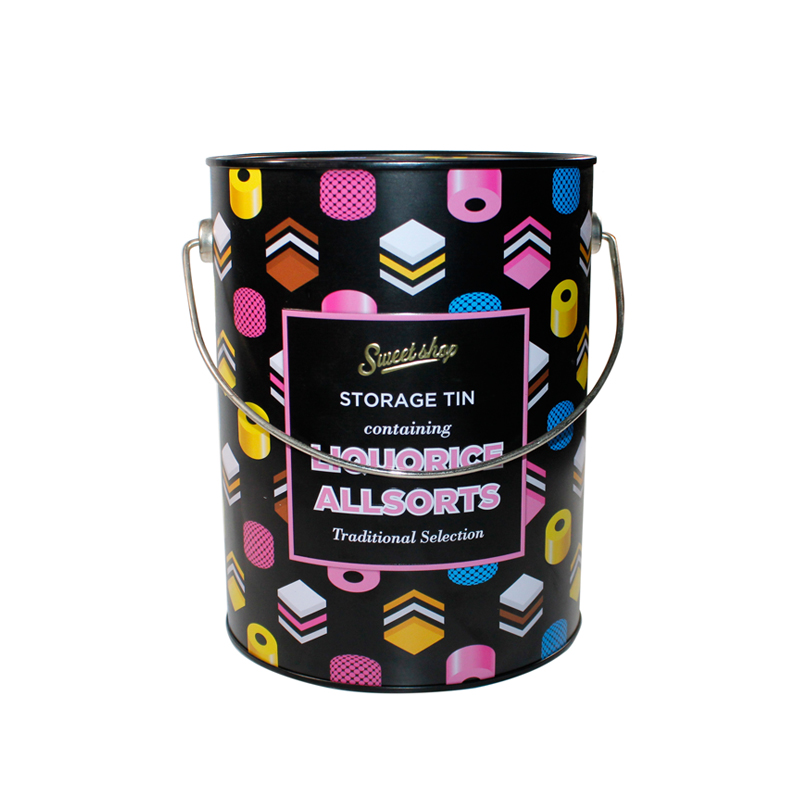
A tin garbage can with lid is a sturdy, corrosion-resistant waste bin made from tinplate steel or iron tin, featuring a secure lid to contain odors and pests. These cans are ideal for homes, offices, and outdoor spaces, offering hygienic waste disposal while blending durability with classic aesthetics.
The Historical Roots of Tin and Iron Containers
From Food Preservation to Waste Management
The story of metal containers began in 1810 with Peter Durand’s patented tin can, designed to preserve food using tinned iron. While early cans focused on sustenance, the Industrial Revolution expanded metalworking, paving the way for iron tin containers in households.
Victorian-Era Sanitation Innovations
By the late 1800s, cities prioritized hygiene amid urbanization. Tinplate steel garbage cans with lids emerged to combat waste-related diseases, replacing open bins and setting standards for modern waste systems.
Wartime Utility to Household Essential
During WWII, iron tin was prioritized for military use. Post-war, manufacturers repurposed tinplate for consumer goods, refining garbage can designs with ergonomic lids and rust-proof coatings.
Modern Uses of Tin Garbage Cans with Lids
Hygiene and Practicality
-
Odor Control: Tight-fitting lids lock in smells and deter pests.
-
Indoor/Outdoor Use: Weather-resistant tinplate steel suits patios, kitchens, and garages.
-
Aesthetic Appeal: Vintage or minimalist designs complement modern décor.
Linking to Recyclable Tin Innovations
Like recyclable tin cans and food tins (featured earlier), tin garbage cans leverage tinplate steel’s sustainability—fully recyclable and built to last decades, reducing landfill waste.
Please refer to the previous article Food Tins: Guardians of Freshness and Sustainability
Pros and Cons of Modern Tinplate Garbage Cans
Advantages
-
Durability: Resistant to rust, dents, and extreme temperatures.
-
Eco-Friendly: 100% recyclable, aligning with circular economy goals.
-
Cost-Effective: Long lifespan offsets initial investment.
Disadvantages
-
Weight: Heavier than plastic bins, making mobility challenging.
-
Noise: Metal cans may clang when emptied.
Expert Opinions on Waste Management Design
Dr. Emily Carter (quoted in our recyclable tin cans article) remarks:
“Tin garbage cans with lids are a smart investment for sustainable living. Tinplate steel’s recyclability and durability reduce environmental impact, while secure lids improve public health by minimizing pest attraction.”
FAQs About Tin Garbage Cans with Lids
1. Can I recycle a tin garbage can?
Yes! Tinplate steel is fully recyclable. Remove non-metal parts (e.g., plastic liners) first.
2. How do I prevent rust on outdoor tin cans?
Choose powder-coated or galvanized steel options and avoid prolonged water exposure.
3. Are metal garbage cans better than plastic?
Yes—they’re sturdier, eco-friendly, and resistant to animal damage.
4. Can I use a tin garbage can for compost?
Yes, but line it with a compostable bag to ease cleaning and prevent corrosion from acidic waste.
Conclusion
From Victorian sanitation breakthroughs to today’s eco-friendly tin garbage cans with lids, these containers have redefined waste management. Much like their cousins—food tins and recyclable tin cans—they prove that functional design and sustainability can coexist, one responsibly discarded scrap at a time.
Share your tips for maintaining metal garbage cans in the comments!
Popcorn Cans at Walmart: Snack Storage Meets Nostalgic Charm
Food Tins: Guardians of Freshness and Sustainability
Related Article