Food Tins: Guardians of Freshness and Sustainability
Food Tins: Guardians of Freshness and Sustainability
Table of Contents
-
What Are Food Tins?
-
A Historical Look at Tin, Iron, and Tinplate Containers
-
Modern Uses of Food Tins
-
Pros and Cons of Modern Tinplate Food Tins
-
Expert Perspectives on Food Preservation
-
FAQs About Food Tins
What Are Food Tins?
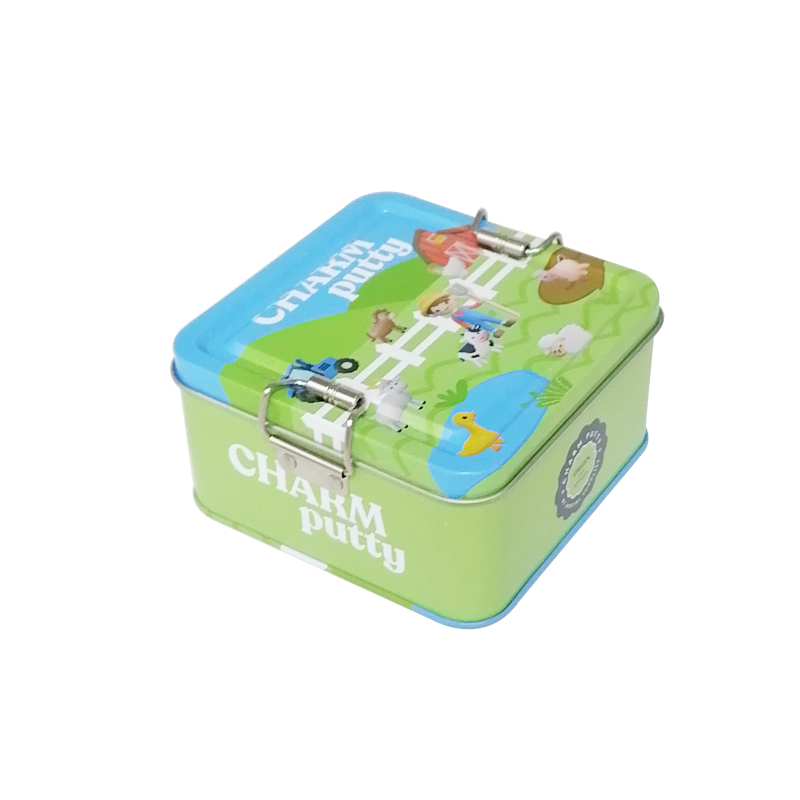
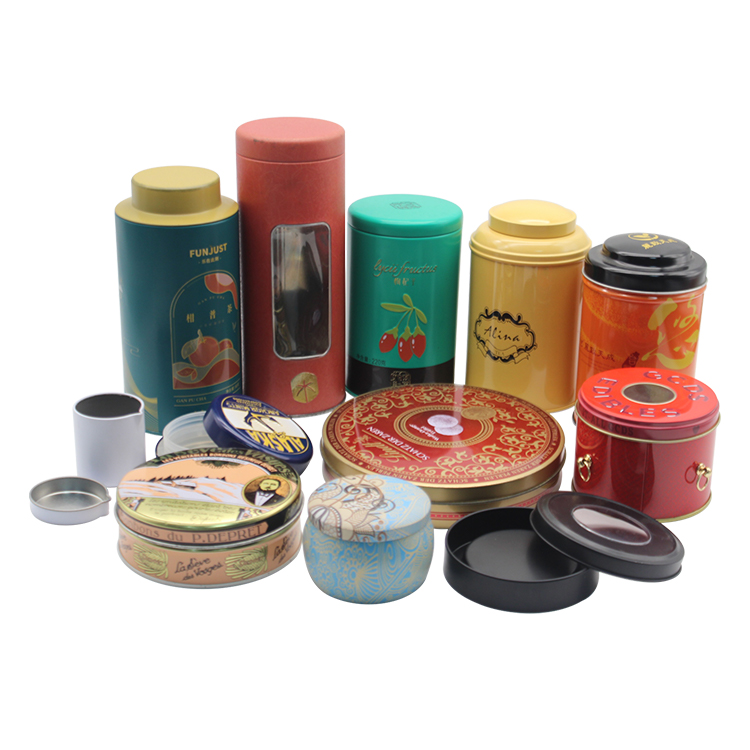
Food tins are durable, airtight containers made from tinplate steel or aluminum, designed to preserve food quality and extend shelf life. From canned vegetables and soups to pet food and gourmet delicacies, these tins protect contents from light, air, and moisture while offering 100% recyclability—a sustainable alternative to plastic packaging.
A Historical Look at Tin, Iron, and Tinplate Containers
The Dawn of Metal Food Storage
The history of food tins began in 1810 when British merchant Peter Durand patented the tin can using tinned iron (iron coated with tin). Originally created to feed Napoleon’s army, these early cans required a hammer and chisel to open but revolutionized long-term food preservation.
Industrial Revolution and Mass Adoption
By the late 19th century, tinplate steel production scaled up, making canned goods accessible to households. Brands like Heinz and Nestlé popularized food tins for soups, meats, and milk, while ornate designs turned empty tins into Depression-era kitchen staples.
Wartime Resilience and Modern Innovations
During WWII, iron tin containers became vital for military rations. Post-war, innovations like easy-open lids and BPA-free liners transformed food tins into the lightweight, user-friendly packaging we recognize today.
Modern Uses of Food Tins
Preserving Nutrition and Flavor
-
Long Shelf Life: Ideal for emergency supplies, camping meals, and pantry staples.
-
Premium Packaging: Gourmet foods like olive oil, caviar, and biscuits use food tins for luxury appeal.
Beyond the Pantry
-
Pet Food Storage: Airtight tins keep kibble fresh and pest-free.
-
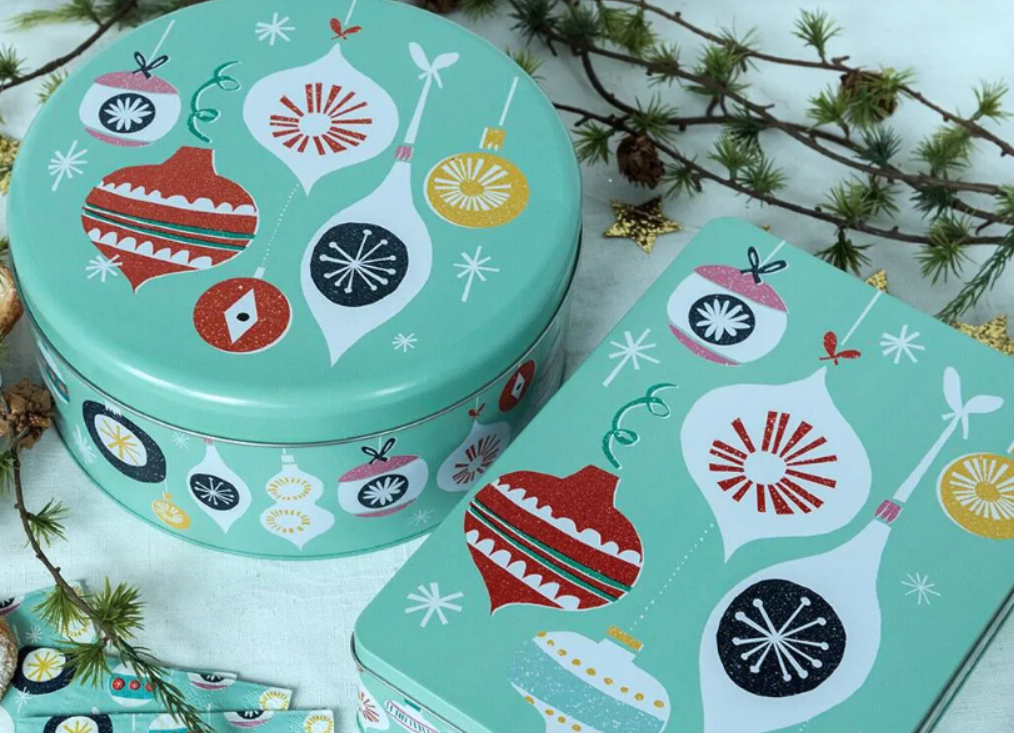
DIY Projects: Repurposed as herb planters, craft organizers, or holiday décor (similar to cookie tins).
Linking to Recyclable Tin Cans and Gift Tins
Like recyclable tin cans and gift tin boxes (featured in earlier articles), food tins leverage tinplate steel’s durability and eco-friendliness, bridging practicality with sustainability.
Please refer to the previous article Recyclable Tin Cans: The Eco-Friendly Future of Packaging
Pros and Cons of Modern Tinplate Food Tins
Advantages
-
Eco-Friendly: Fully recyclable and reusable, reducing landfill waste.
-
Protection: Blocks UV light, oxygen, and bacteria to maintain food safety.
-
Cost-Effective: Bulk production lowers costs for manufacturers and consumers.
Disadvantages
-
Energy-Intensive Recycling: Requires high heat, which not all regions support.
-
Weight: Heavier than plastic alternatives, increasing shipping emissions.
Expert Perspectives on Food Preservation
Dr. Emily Carter (referenced in our recyclable tin cans article) explains:
“Food tins are unmatched in preserving nutritional value and reducing food waste. Their tinplate steel construction ensures a hermetic seal, critical for preventing spoilage. However, improving global recycling infrastructure remains essential to maximize their environmental benefits.”
FAQs About Food Tins
1. Are food tins safe for long-term storage?
Yes—when unopened and undamaged, they can last years without spoilage.
2. Can I recycle food tins with labels?
Yes, but remove paper labels and rinse residues to streamline recycling.
3. Do food tins affect taste?
Modern liners prevent metallic tastes, ensuring food retains its flavor.
4. How do food tins compare to glass jars?
Tins are lighter, unbreakable, and more portable but lack glass’s transparency.
Conclusion
From feeding armies to stocking modern pantries, food tins have safeguarded nutrition and flavor for centuries. Much like their cousins—recyclable tin cans and gift tin boxes—they exemplify how tradition and innovation can coexist, offering solutions that are as practical as they are planet-friendly.
Got creative ways to reuse food tins? Share them below!
Tin Garbage Can with Lid: Combining Durability and Hygiene
Child Proof Tin Box: A Guardian for Your Home
Related Article