Tin Cans for Crafts: Unleashing Creativity Through Upcycled History
Tin Cans for Crafts: Unleashing Creativity Through Upcycled History
Table of Contents
-
What Are Tin Cans for Crafts?
-
The Historical Legacy of Tin, Iron, and Tinplate Containers
-
Modern Crafting Uses of Tin Cans
-
Pros and Cons of Using Tin Cans for DIY Projects
-
Expert Tips for Safe and Sustainable Crafting
-
FAQs About Tin Cans for Crafts
What Are Tin Cans for Crafts?


Tin cans for crafts are repurposed tinplate steel containers transformed into creative DIY projects, from planters and lanterns to organizers and holiday décor. By upcycling these durable, often discarded items, crafters reduce waste while adding a rustic or industrial charm to their creations. Ideal for eco-conscious makers, tin cans offer endless possibilities for sustainable artistry.
The Historical Legacy of Tin, Iron, and Tinplate Containers
From Preservation to Creative Expression
The story begins in 1810, when British merchant Peter Durand patented the tin can using tinned iron (iron coated with tin). Originally designed to preserve food for naval expeditions, these early cans were bulky and required tools to open. By the late 19th century, tinplate steel production boomed, and decorative tins for tea, biscuits, and tobacco became household staples—many of which were reused for storage or repurposed as early “crafts” by thrifty homemakers.
Wartime Ingenuity
During WWII, iron tin containers were repurposed for military supplies, but civilians also creatively reused them for toys, tools, and home décor. Post-war, the rise of mass-produced canned goods turned tin cans into a ubiquitous material for DIY projects, much like today’s metal snack boxes and holiday tins.
Modern Crafting Renaissance
Today, the upcycling movement has revived tin cans as a symbol of sustainability. Social media platforms showcase everything from tin-can chandeliers to pencil holders, proving their timeless appeal.
Modern Crafting Uses of Tin Cans
Home Décor and Organization
-
Planters: Drill drainage holes and paint cans for quirky herb gardens.
-
Storage: Use labels and ribbons to create rustic organizers for utensils, craft supplies, or toys.
-
Lighting: Transform cans into lanterns or candle holders with punched designs.
Seasonal and Gift Projects
-
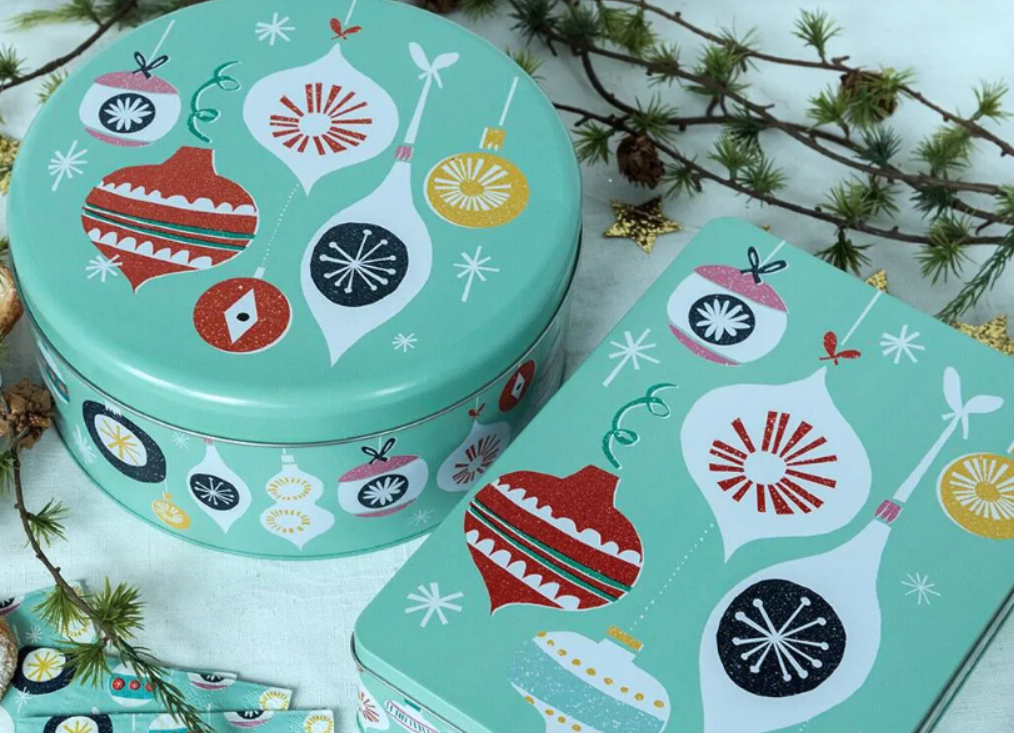
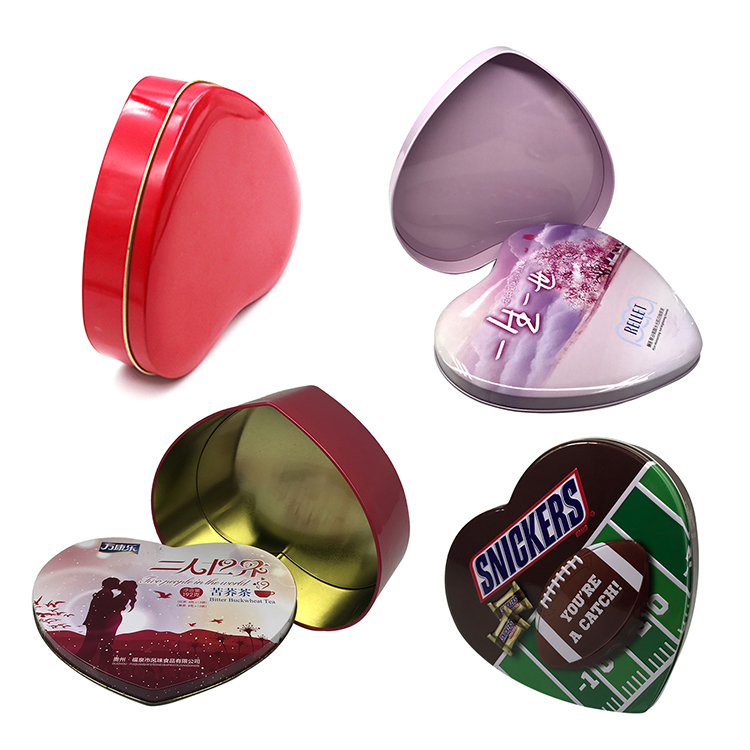
Holiday Crafts: Create Halloween treat buckets, Christmas ornaments, or Valentine’s Day gift boxes (inspired by personalised lolly tins).
-
Kids’ Activities: Safe, rounded-edge projects like pencil cups or musical shakers.
Artistic Statements
-
Sculptures: Weld or glue cans into abstract art or functional furniture.
-
Wall Art: Flatten and paint cans for metal mosaics or signage.
Please refer to another article Metal Cans for Canning: Preserving Freshness Across Centuries
Pros and Cons of Using Tin Cans for DIY Projects
Advantages
-
Eco-Friendly: Upcycling reduces landfill waste; tinplate steel is 100% recyclable.
-
Durability: Resistant to rust and wear, ideal for indoor/outdoor use.
-
Cost-Effective: Free or low-cost material with endless creative potential.
Disadvantages
-
Sharp Edges: Requires careful sanding or taping for safety.
-
Limited Sizes: Standard shapes may restrict complex designs.
-
Chemical Residues: Old food cans may need thorough cleaning to remove odors or residues.
Expert Tips for Safe and Sustainable Crafting
Dr. Emily Carter (referenced in our metal cans for canning article) advises:
“Always clean tin cans thoroughly to remove food residues. Use non-toxic paints and sealants to ensure safety, especially for items used near food or children.”
DIY influencer and crafter Jess Nguyen adds:
“Pair tin cans with other upcycled materials like fabric scraps or bottle caps for mixed-media projects. Share tutorials online to inspire others—sustainability is contagious!”
FAQs About Tin Cans for Crafts
1. How do I safely cut or puncture tin cans?
Use gloves, a hammer, and nail for small holes, or a Dremel tool for precise cuts. Sand edges smooth.
2. Can I paint tin cans?
Yes! Prime with a metal-friendly primer first, then use acrylic or spray paint.
3. Are rusty cans safe for crafting?
Light rust can be scrubbed off with vinegar. Avoid heavily corroded cans.
4. Where can I find tin cans for crafts?
Recycle household cans or source from local cafes, schools, or recycling centers.
Conclusion
From 19th-century pantries to modern craft rooms, tin cans have evolved from humble food savers to icons of sustainable creativity. Like their cousins—metal snack boxes and holiday tins—they remind us that innovation and tradition can coexist, one upcycled project at a time.
Tea Cans: Preserving Tradition in Every Leaf
Metal Cans for Canning: Preserving Freshness Across Centuries
Related Article