Metal Cans for Canning: Preserving Freshness Across Centuries
Metal Cans for Canning: Preserving Freshness Across Centuries
Table of Contents
-
What Are Metal Cans for Canning?
-
The Historical Roots of Tin, Iron, and Tinplate Preservation
-
Modern Applications of Metal Canning
-
Pros and Cons of Modern Tinplate Cans
-
Expert Insights on Safety and Sustainability
-
FAQs About Metal Cans for Canning
What Are Metal Cans for Canning?
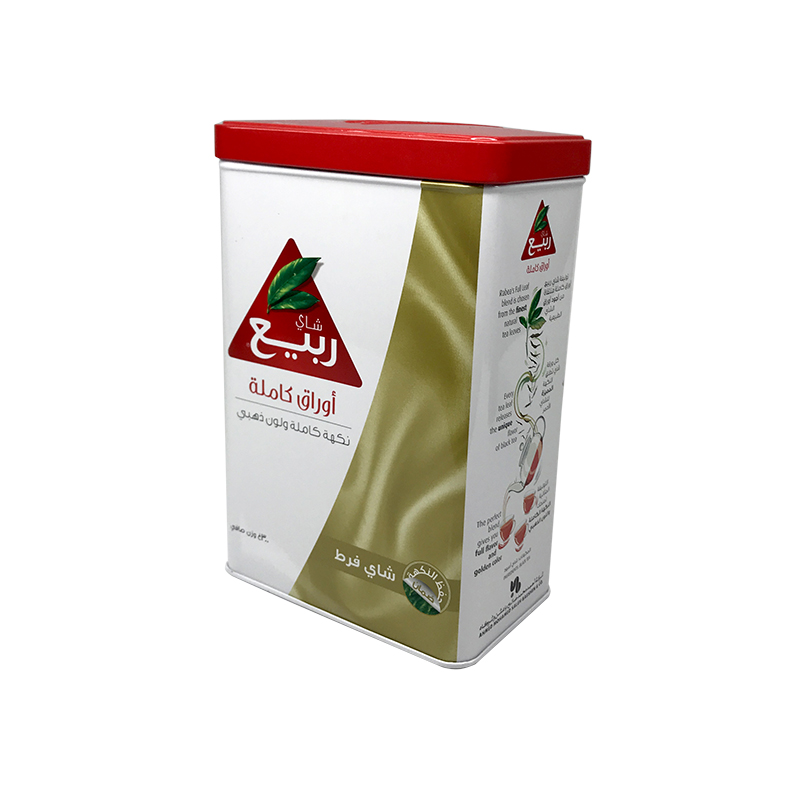

Metal cans for canning are airtight containers made from tinplate steel or aluminum, designed to preserve food by sealing out air, light, and bacteria. Used for fruits, vegetables, meats, and more, these cans extend shelf life for years while retaining nutritional value. They are a cornerstone of home canning, commercial food production, and emergency preparedness, offering eco-friendly alternatives to plastic packaging.
The Historical Roots of Tin, Iron, and Tinplate Preservation
The Birth of Food Preservation
The story begins in 1809 when French inventor Nicolas Appert discovered that heat-sealing food in glass jars prevented spoilage. By 1810, British merchant Peter Durand patented the tin can, using tinned iron (iron coated with tin) to create durable, portable containers for Napoleon’s armies. Early cans were hand-soldered and required a hammer to open, but they revolutionized food storage.
Industrialization and Mass Adoption
By the mid-1800s, tinplate steel production scaled, making canned goods accessible. Brands like Campbell’s and Heinz popularized canned soups and vegetables, while home canning became a household skill during the Great Depression.
Wartime Innovations
During WWII, iron tin containers were critical for military rations. Post-war advancements introduced easy-open lids and lacquer coatings, paving the way for today’s metal cans—safer, lighter, and more efficient.
Modern Applications of Metal Canning
Home and Commercial Canning
-
Long-Term Storage: Safeguard seasonal harvests or bulk purchases for years.
-
Commercial Use: Canned beans, tomatoes, and fish dominate supermarket shelves due to their convenience and durability.
Sustainability and Versatility
-
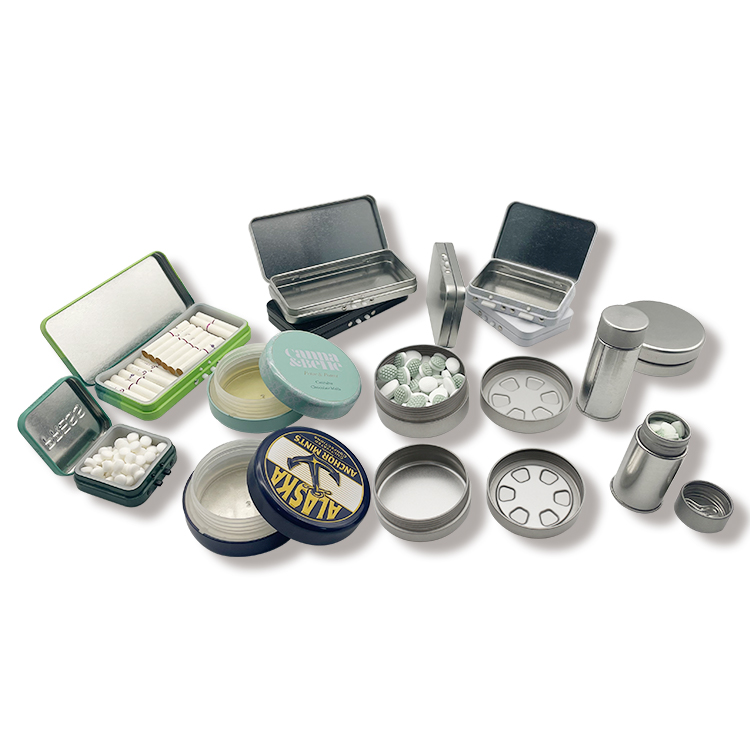
Recyclability: Tinplate steel is 100% recyclable, reducing landfill waste (similar to metal snack boxes).
-
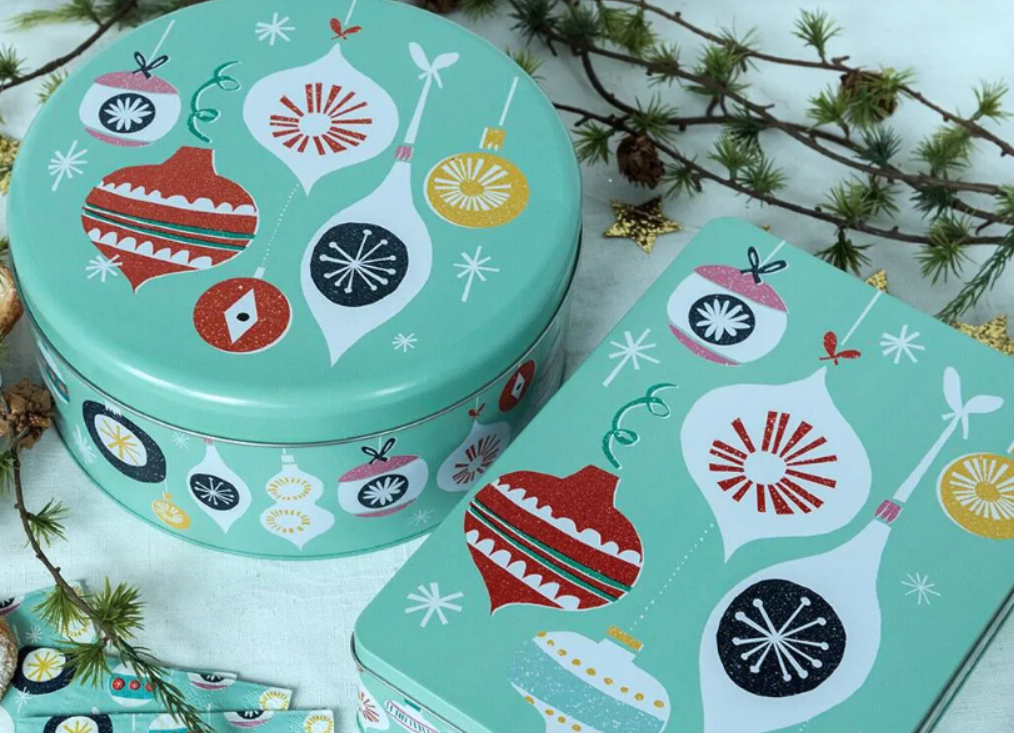
Reuse Potential: Empty cans become planters, utensil holders, or DIY décor, echoing the versatility of holiday tins.
Emergency Preparedness
Canned foods are staples in disaster kits, offering non-perishable nutrition when fresh options are unavailable.
Please refer to another article Metal Snack Boxes: Durability Meets Modern Convenience
Pros and Cons of Modern Tinplate Cans
Advantages
-
Freshness Preservation: Blocks oxygen, light, and pathogens better than glass or plastic.
-
Durability: Resistant to rust, crushing, and extreme temperatures.
-
Cost-Effective: Bulk production lowers costs for consumers and manufacturers.
Disadvantages
-
Energy-Intensive Recycling: Requires high-heat facilities, unavailable in some regions.
-
Weight: Heavier than pouches, increasing transportation emissions.
-
BPA Concerns: Some liners contain chemicals, though many brands now use BPA-free coatings.
Expert Insights on Safety and Sustainability
Dr. Emily Carter (referenced in our gift boxes & tins article) states:
“Tinplate cans are unmatched in food safety and shelf life. Their hermetic seals prevent bacterial growth, while recyclability supports circular economies. However, improving global recycling infrastructure remains crucial.”
Food scientist Dr. Laura Simmons adds:
“Modern canning techniques retain up to 90% of a food’s nutrients, debunking myths about canned foods being less healthy. Always opt for low-sodium or no-added-sugar varieties.”
FAQs About Metal Cans for Canning
1. Are metal cans safe for home canning?
Yes, but follow USDA guidelines for sterilization and processing to prevent botulism.
2. How do I recycle metal cans?
Rinse, remove labels, and place in metal recycling bins. Tinplate steel can be recycled indefinitely.
3. Can I reuse cans for home canning?
No—reuse jars instead. Cans are single-use due to seal integrity risks.
4. Do metal cans affect food taste?
Modern liners prevent metallic flavors. Acidic foods (e.g., tomatoes) may require specialized coatings.
Conclusion
From feeding Napoleon’s troops to stocking modern pantries, metal cans for canning have preserved nutrition and convenience for centuries. Like their cousins—airtight coffee containers and recyclable snack boxes—they prove that innovation and tradition can coexist, one sealed can at a time.
Tin Cans for Crafts: Unleashing Creativity Through Upcycled History
Personalised Lolly Tins: Sweet Memories in Sustainable Packaging
Related Article