Metal Snack Boxes: Durability Meets Modern Convenience
Metal Snack Boxes: Durability Meets Modern Convenience
Table of Contents
-
What Are Metal Snack Boxes?
-
The Historical Legacy of Tin, Iron, and Tinplate Containers
-
Modern Uses of Metal Snack Boxes
-
Pros and Cons of Today’s Tinplate Snack Boxes
-
Expert Insights on Sustainability and Design
-
FAQs About Metal Snack Boxes
What Are Metal Snack Boxes?


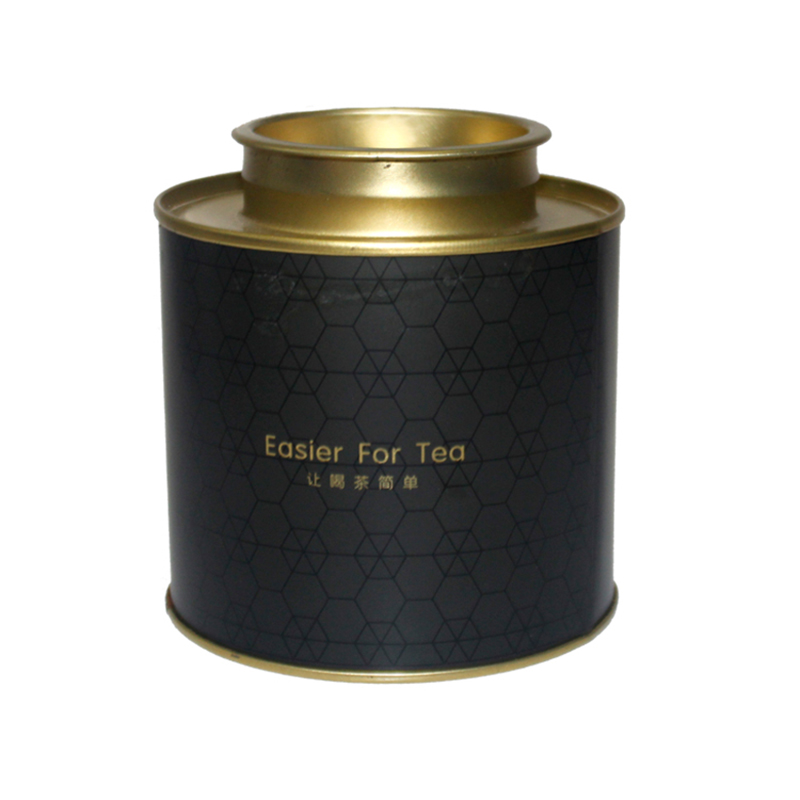
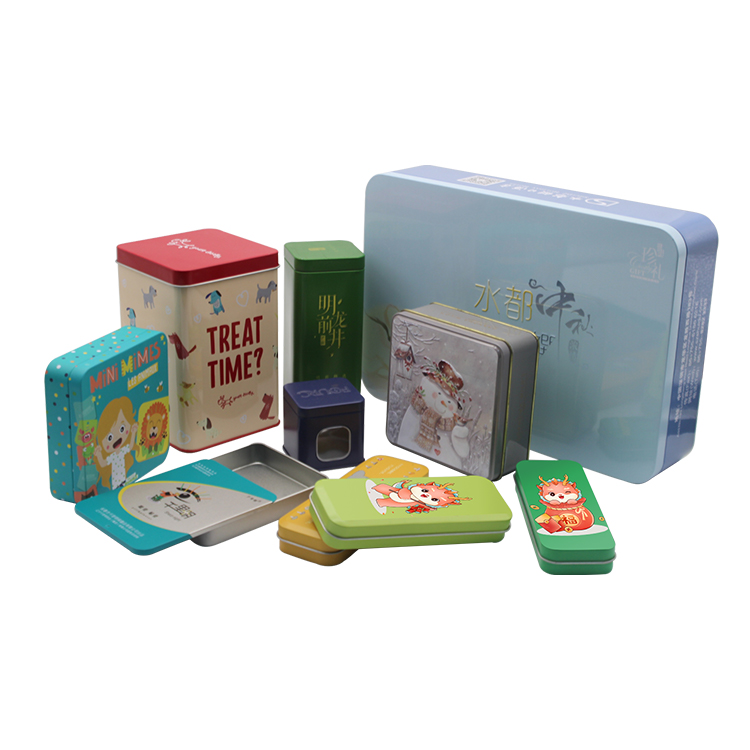
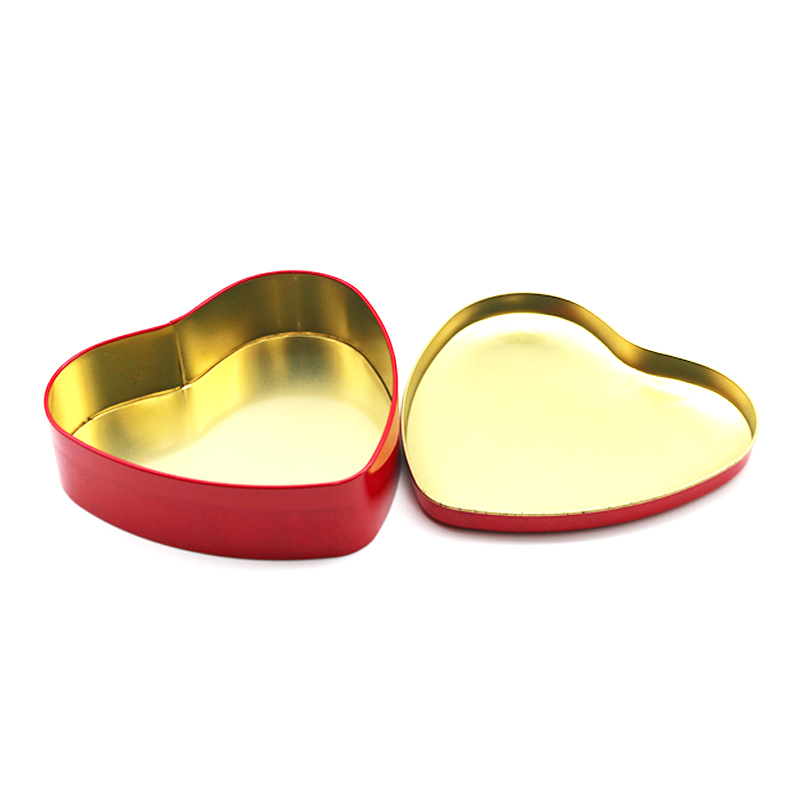
Metal snack boxes are portable, reusable containers made from tinplate steel or aluminum, designed to store and protect snacks like nuts, dried fruits, candies, or crackers. These boxes combine durability with style, often featuring airtight seals, compact designs, and customizable aesthetics. Ideal for lunchboxes, travel, or eco-conscious gifting, they reduce single-use plastic waste while keeping snacks fresh and organized.
The Historical Legacy of Tin, Iron, and Tinplate Containers
Early Innovations in Metal Packaging
The history of metal containers dates to 1810, when British merchant Peter Durand patented the tin can using tinned iron (iron coated with tin). Originally created to preserve food for naval voyages, these early containers evolved into household staples.
Victorian-Era Practicality Meets Artistry
By the late 19th century, tinplate steel production boomed during the Industrial Revolution. Companies like Huntley & Palmers and Cadbury began using decorative tins for biscuits and sweets—early ancestors of today’s metal snack boxes. These tins were prized for both function and ornate designs, often repurposed as sewing kits or keepsake boxes.
Wartime Utility to Modern Adaptations
During WWII, iron tin containers were repurposed for military rations. Post-war innovations, like easy-open lids and lightweight designs, transformed tins into consumer-friendly products, paving the way for today’s portable snack boxes and gift tins.
Modern Uses of Metal Snack Boxes
Freshness and Portability
-
Airtight Seals: Lock out moisture and air to keep snacks crisp during hikes, commutes, or school lunches.
-
Portable Design: Compact sizes fit effortlessly into bags, cars, or office drawers.
Sustainable Lifestyle Choice
-
Reusable and Recyclable: Tinplate steel is 100% recyclable, reducing reliance on disposable plastic bags.
-
DIY and Gifting: Customizable tins serve as creative party favors, wedding gifts, or branded corporate swag (like personalised lolly tins).
Aesthetic Versatility
From minimalist stainless steel to retro-inspired prints, these boxes blend seamlessly into modern kitchens or act as stylish desk accessories.
Please refer to another article Gift Boxes & Tins: Tradition, Sustainability, and Timeless Appeal
Pros and Cons of Today’s Tinplate Snack Boxes
Advantages
-
Eco-Friendly: Infinitely recyclable and reusable, supporting circular economy goals.
-
Durability: Resistant to rust, dents, and extreme temperatures.
-
Customization: Options for embossing, prints, or windowed lids enhance brand appeal.
Disadvantages
-
Cost: Higher production costs than plastic alternatives.
-
Weight: Bulkier for shipping, increasing logistical carbon footprint.
-
Mixed Materials: Some designs include plastic liners or seals, complicating recycling.
Expert Insights on Sustainability and Design
Dr. Emily Carter (referenced in our gift boxes & tins article) emphasizes:
“Metal snack boxes are a smart investment for reducing plastic waste. Tinplate steel’s recyclability ensures long-term environmental benefits, but brands should prioritize mono-material designs to simplify recycling.”
Industrial designer Marco Li adds:
“The rise of on-the-go snacking demands packaging that’s both functional and Instagram-worthy. Metal tins meet this need, offering a tactile, premium unboxing experience.”
FAQs About Metal Snack Boxes
1. Are metal snack boxes dishwasher-safe?
Most are hand-wash only to preserve finishes. Check manufacturer guidelines.
2. Can I use them for liquid or oily snacks?
Opt for boxes with silicone seals to prevent leaks. Avoid prolonged storage of acidic foods unless lined.
3. How do I recycle old snack boxes?
Rinse, remove non-metal parts (e.g., rubber seals), and place in metal recycling bins.
4. Are they safe for children?
Yes—choose rounded-edge designs and avoid sharp hinges. Supervise young children during use.
Conclusion
From Victorian biscuit tins to modern eco-friendly snack boxes, metal containers have evolved to meet contemporary needs without sacrificing durability or charm. Like their cousins—holiday tins and airtight coffee containers—they prove that practicality and sustainability can coexist, one snack at a time.
Antique Tin Boxes: A Journey Through Time and Craftsmanship
Gift Boxes & Tins: Tradition, Sustainability, and Timeless Appeal
Related Article