Coffee Cans for Sale: A Comprehensive Guide to Their Uses, History, and Pros & Cons
author: jeremy
2025-09-03
Coffee Cans for Sale: A Comprehensive Guide to Their Uses, History, and Pros & Cons
Table of Contents
- Introduction: Why Coffee Cans Are More Than Just Containers
- The Versatile Uses of Coffee Cans for Sale
2.1 Food Storage: Keeping Ingredients Fresh
2.2 Home Organization: Taming Clutter
2.3 DIY Projects: Unleashing Creativity
2.4 Commercial Applications: Branding and Packaging - A Trip Through Time: The History of Tin, Steel, and Tinplate Cans
3.1 The Early Days: Tin Cans Emerge
3.2 The Rise of Tinplate: A Game-Changer
3.3 Steel Cans: Durability Takes Center Stage - Tinplate Coffee Cans Today: Pros and Cons
4.1 Advantages of Tinplate Coffee Cans
4.2 Disadvantages of Tinplate Coffee Cans - Expert Insights on Coffee Cans
- Frequently Asked Questions (FAQs) About Coffee Cans for Sale
- Conclusion
1. Introduction: Why Coffee Cans Are More Than Just Containers
When you hear “coffee cans for sale,” you might initially think of nothing more than vessels that hold your morning brew. But these containers have a rich history, endless practical uses, and a unique place in both household and commercial settings. From preserving food to fueling DIY creativity, coffee cans—whether made of tin, steel, or tinplate—offer far more value than meets the eye. This guide will explore everything you need to know about coffee cans for sale, from their past to their present-day pros and cons.
2. The Versatile Uses of Coffee Cans for Sale
Coffee cans are celebrated for their versatility, making them a staple in homes, businesses, and even craft rooms. Below are some of the most popular ways to put them to use.
2.1 Food Storage: Keeping Ingredients Fresh
One of the primary uses of coffee cans is food storage. Their airtight seals (especially modern designs) make them ideal for preserving dry goods like flour, sugar, rice, and cereal. Unlike plastic bags or flimsy boxes, coffee cans protect food from moisture, pests, and air exposure—extending the shelf life of ingredients. Many home bakers and cooks swear by coffee cans for keeping their pantries organized and their food fresh.
2.2 Home Organization: Taming Clutter
Beyond the pantry, coffee cans excel at home organization. Smaller cans are perfect for storing office supplies like paper clips, pens, and rubber bands. In the garage, they can hold nails, screws, and other hardware. You can even label them for easy identification, turning a simple coffee can into a cost-effective organizational tool.
2.3 DIY Projects: Unleashing Creativity
For craft enthusiasts, coffee cans for sale are a DIY dream. With a little paint, fabric, or ribbon, they can be transformed into planters for small herbs or flowers. They also make great storage bins for toys, or even homemade musical instruments (like drums) for kids. Upcycling coffee cans not only saves money but also promotes sustainability by giving new life to old containers.
2.4 Commercial Applications: Branding and Packaging
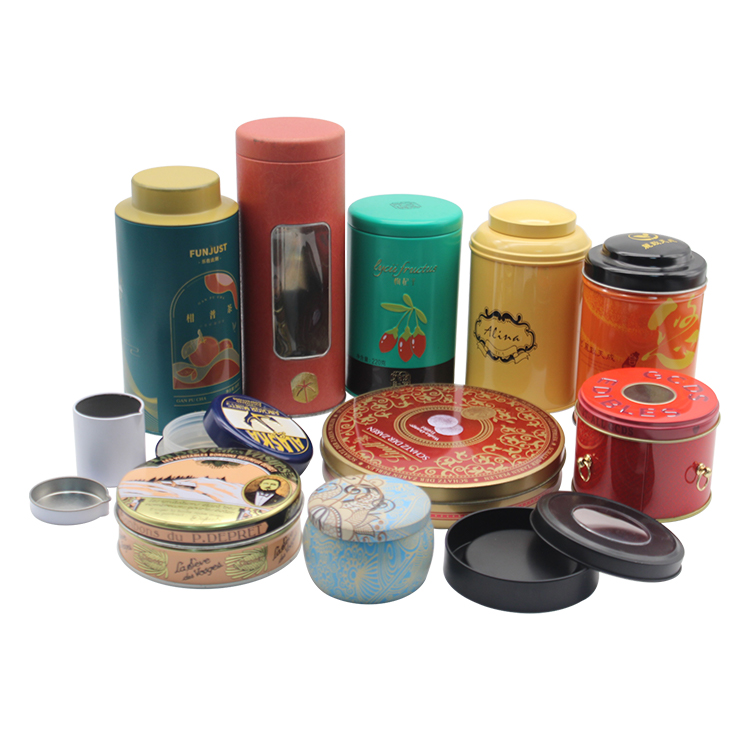
For businesses, coffee cans are more than storage—they’re a branding opportunity. Many coffee roasters use custom-designed tinplate coffee cans to package their products, as the material allows for vibrant printing and a premium look. The durability of these cans also ensures that coffee beans or ground coffee stay fresh during shipping, making them a practical and marketing-friendly choice for commercial sales.
3. A Trip Through Time: The History of Tin, Steel, and Tinplate Cans
To fully appreciate coffee cans for sale today, it’s important to understand their historical roots. The story of these cans begins with the invention of tin cans and evolves with advancements in materials like steel and tinplate.
3.1 The Early Days: Tin Cans Emerge
The first tin cans were invented in the early 19th century. In 1810, French inventor Nicolas Appert developed a method of preserving food in glass jars, but it was Englishman Peter Durand who patented the use of tin-plated iron cans for food preservation that same year. These early cans were heavy, hand-made, and sealed with solder. They gained popularity during the Napoleonic Wars, as they allowed armies to transport preserved food over long distances. However, opening them was no easy task—consumers often used knives or even axes, as can openers hadn’t been invented yet!
3.2 The Rise of Tinplate: A Game-Changer
By the mid-19th century, advancements in manufacturing led to the widespread use of tinplate—a thin sheet of steel coated with tin to prevent rusting. This material was lighter than pure tin, more durable than iron, and easier to mass-produce. Tinplate cans quickly became the standard for food packaging, including coffee. The tin coating not only protected the steel from corrosion but also prevented any metallic taste from leaching into the contents—making it ideal for coffee, which is sensitive to flavor contamination.
3.3 Steel Cans: Durability Takes Center Stage
In the 20th century, steel cans (often with a thin tin coating) gained traction. Steel offered even greater strength than tinplate, making it suitable for larger cans and heavier contents. During World War II, steel cans were widely used to package rations, further solidifying their place in packaging history. By the latter half of the century, tinplate and steel cans had become the go-to choice for coffee packaging, thanks to their combination of durability, freshness preservation, and cost-effectiveness.
4. Tinplate Coffee Cans Today: Pros and Cons
While tinplate coffee cans remain popular, they have both advantages and disadvantages that buyers should consider when looking for coffee cans for sale.
4.1 Advantages of Tinplate Coffee Cans
- Excellent Freshness Preservation: The tin coating and airtight seals of tinplate cans create a barrier against oxygen, moisture, and light—critical for keeping coffee beans or ground coffee fresh and flavorful.
- Durability: Tinplate is strong and resistant to dents and punctures, making these cans suitable for shipping and long-term storage.
- Sustainability: Tinplate is highly recyclable. Unlike plastic containers, which can take centuries to decompose, tinplate cans can be recycled repeatedly without losing quality.
- Aesthetic Appeal: Tinplate allows for high-quality printing and customization, making it a favorite among brands looking to create eye-catching packaging. It also has a classic, nostalgic look that many consumers love.
- Non-Toxic: The tin coating prevents steel from reacting with food or beverages, ensuring that no harmful chemicals leach into the contents.
4.2 Disadvantages of Tinplate Coffee Cans
- Weight: Compared to plastic or aluminum containers, tinplate cans are heavier, which can increase shipping costs for businesses.
- Cost: Tinplate is generally more expensive than plastic, which may make tinplate coffee cans pricier for consumers.
- Susceptibility to Rust (If Damaged): While the tin coating protects the steel, if the can is scratched or dented deeply enough to expose the steel underneath, it can rust over time—especially in humid environments.
- Opening Difficulty (Without a Can Opener): Traditional tinplate cans require a can opener, which can be inconvenient if you don’t have one on hand. However, many modern designs now feature easy-open lids to address this issue.
5. Expert Insights on Coffee Cans
To gain a deeper understanding of coffee cans for sale, we spoke with two industry experts: Sarah Jenkins, a packaging engineer with 15 years of experience in the food and beverage industry, and Michael Torres, a sustainable packaging consultant.
“Tinplate coffee cans have stood the test of time because they balance functionality and branding,” says Jenkins. “For coffee roasters, preserving the aroma and flavor of their product is paramount, and tinplate’s barrier properties are unmatched. Additionally, consumers associate tinplate with quality, which can boost brand perception.”
Torres emphasizes the sustainability aspect: “In an era where consumers are increasingly concerned about the environment, tinplate coffee cans are a smart choice. They’re 100% recyclable, and the recycling process for tinplate uses far less energy than producing new plastic. Brands that switch to tinplate often see a positive response from eco-conscious customers.”
Both experts agree that while plastic and aluminum have their place, tinplate remains a top choice for coffee packaging due to its unique combination of benefits.
6. Frequently Asked Questions (FAQs) About Coffee Cans for Sale
Q1: Are tinplate coffee cans safe for food storage?
A: Yes! Tinplate coffee cans are safe for food storage. The tin coating acts as a barrier between the steel and the food, preventing any metallic taste or chemical leaching. Just ensure that the can is not damaged (e.g., no scratches or rust) before using it for food.
Q2: Can coffee cans be recycled?
A: Absolutely. Tinplate and steel coffee cans are highly recyclable. Most curbside recycling programs accept them—just make sure to rinse out any remaining coffee or food residue before recycling.
Q3: What sizes do coffee cans for sale come in?
A: Coffee cans are available in a range of sizes, from small (8 oz) cans for single-serve or sample coffee to large (5 lb or more) cans for bulk storage. Commercial brands often offer standard sizes, while custom sizes can be ordered for businesses.
Q4: Are there eco-friendly alternatives to traditional tinplate coffee cans?
A: While tinplate is already eco-friendly due to its recyclability, some alternatives include cans made from recycled tinplate or biodegradable materials. However, these alternatives may not offer the same level of freshness preservation as traditional tinplate.
Q5: Can I customize coffee cans for my business?
A: Yes! Many suppliers offer custom coffee cans for sale, allowing businesses to add their logo, branding, and unique designs to the cans. This is a great way to enhance brand recognition and appeal to customers.
7. Conclusion
Coffee cans for sale are far more than simple containers—they’re versatile tools, pieces of history, and sustainable packaging solutions. Whether you’re using them to store food, organize your home, fuel DIY projects, or package your business’s coffee products, tinplate, steel, and tin cans offer a range of benefits that make them a valuable investment. By understanding their history, uses, and pros and cons, you can make an informed decision when purchasing coffee cans for your needs. So the next time you see “coffee cans for sale,” remember: you’re not just buying a can—you’re buying a piece of practical innovation.
The Art and Science of Cookie Packaging From Historic Tin Cans to Modern Preservation Solutions
Related Article
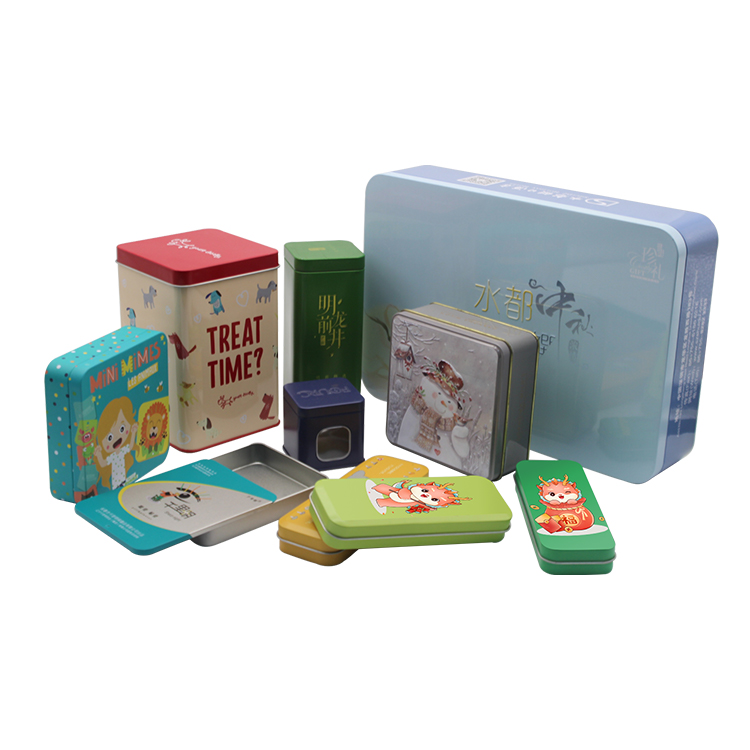
Airtight cookie packaging with secure seals to keep baked treats fresh and crunchy for days.
The Art and Science of Cookie Packaging From Historic Tin Cans to Modern Preservation Solutions
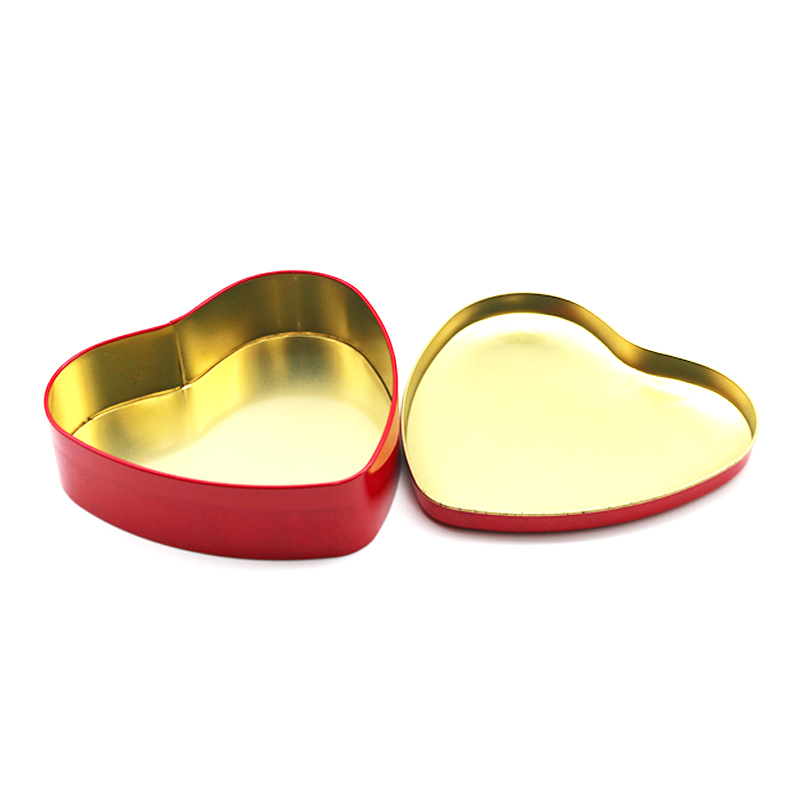
Tin cans offer unparalleled protection for chocolate's delicate composition. The unique properties of tinplate create the perfect environment for preserving quality
The Art of Preserving Chocolate in Tin Cans