The Timeless Elegance of Tea Cans
The Timeless Elegance of Tea Cans
Preserving Tradition in Every Leaf
Introduction
Tea cans represent the perfect marriage of tradition and functionality. These elegant containers have protected precious tea leaves for centuries while serving as beautiful display pieces in kitchens worldwide. From the ornate tea caddies of 18th century England to today's sleek airtight containers, tea cans preserve not just tea, but the very essence of tea culture itself.
In this exploration of tea cans, we'll journey through the fascinating history of tinplate packaging, examine why metal remains the gold standard for tea preservation, and discover how these timeless containers continue to protect and enhance our tea experience in the modern world.
Table of Contents
What Are Tea Cans?
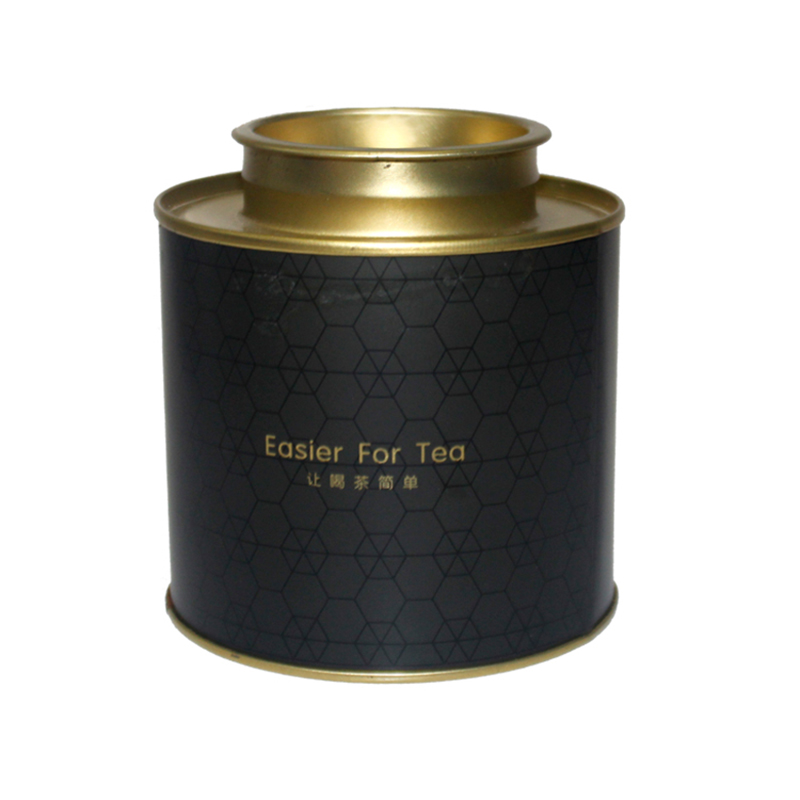
Tea cans (also known as tea tins or tea caddies) are specially designed containers for storing and preserving tea leaves. Unlike generic storage containers, they address the unique requirements of tea:
- Block light to prevent degradation
- Airtight seals prevent oxidation
- Protect from moisture and odors
- Maintain optimal humidity levels
- Beautiful display pieces
- Brand storytelling canvas
- Elegant kitchen décor
- Collectible items
- Durable and long-lasting
- Stackable for efficient storage
- Easy to clean and maintain
- Reusable for years
The Anatomy of a Quality Tea Can
Premium tea cans feature double-sealed lids, light-proof construction, and food-grade tinplate lining. Many include inner bags for additional protection and measuring scoops for convenience.
Another article The Complete Guide to Small Cookie Boxes
A Brief History of Tea Packaging
The story of tea cans is intertwined with global trade, innovation, and the evolution of metal packaging:
1700s: The First Tea Caddies
Ornate wooden and metal containers protected valuable tea imports to Europe. Wealthy households used lockable tea caddies to prevent theft by servants.
1810: Tin Can Invention
Peter Durand patented the tin can, creating containers made of wrought iron coated with tin to prevent rusting.
1830s: Commercial Tea Tins
Tea merchants began using decorated tinplate containers for branding and preservation during transportation.
Early 1900s: Standardization
Mass-produced tea tins became affordable for average households. Brands like Lipton and Twinings popularized distinctive packaging.
1950s: Aluminum Threat
Aluminum emerged as a cheaper alternative, but tea connoisseurs preferred tinplate for its superior preservation qualities.
2000s: Artisanal Renaissance
Specialty tea brands revived high-quality tinplate packaging, emphasizing sustainability and premium presentation.
What is Tinplate?
Tinplate is cold-rolled steel sheet coated with a thin layer of tin. This combination provides ideal properties for tea storage:
- Impermeable Barrier: Blocks light, oxygen, and moisture
- Non-reactive Surface: Prevents metallic taste transfer
- Printability: Excellent surface for decorative designs
- Durability: Protects delicate tea leaves during transport
Modern Tinplate Tea Cans: Pros and Cons
While tinplate remains the premium choice for tea storage, it's important to understand its advantages and limitations:
Advantages
Superior Preservation: Extends tea freshness 3-4x longer than paper packaging
Light Protection: Complete light blocking prevents flavor degradation
Airtight Seal: Maintains optimal humidity for delicate teas
Recyclability: 100% recyclable with high recovery rates
Premium Perception: Communicates quality and value
Disadvantages
Cost: More expensive than alternative materials
Weight: Heavier than comparable plastic containers
Denting: Can deform under impact
Limited Shapes: Less design flexibility than plastic
Environmental Impact: Energy-intensive production process
Material Comparison
Glass jars offer visibility but fail to block light completely. Plastic containers are lightweight but may impart flavors. Cardboard boxes are eco-friendly but provide limited protection. Tinplate provides the optimal balance of preservation and presentation.
Expert Perspectives: The Science of Tea Preservation
"Tea is one of the most sensitive food products to environmental factors. Light, oxygen, and moisture can degrade delicate polyphenols and essential oils in as little as 24 hours. Our research shows that tea stored in quality tinplate containers retains 92% of its original flavor compounds after six months, compared to just 65% in paper packaging and 78% in glass jars exposed to light."
Dr. Kenji Tanaka, Food Science Researcher at Kyoto University
Building on our previous discussion about cookie boxes, tea cans serve a more specialized preservation function:
Preservation Requirements Comparison
While cookies primarily need protection from moisture, tea requires defense against five elements: light, oxygen, moisture, heat, and foreign odors. Tinplate provides comprehensive protection against all these threats.
Sustainability Considerations
Tinplate tea cans have an average lifespan of 10-15 years with proper care. Industry studies show that 85% of tea tins are reused for other purposes after their original contents are consumed, creating a smaller environmental footprint than single-use packaging.
Preservation Benefits: Why Metal Matters
The Enemies of Tea Freshness
Tea preservation requires defense against multiple threats:
Light: Degrades chlorophyll and antioxidants, causing flavor loss
Oxygen: Oxidizes essential oils, creating stale flavors
Moisture: Causes mold and accelerates deterioration
Odors: Tea easily absorbs surrounding smells
Heat: Accelerates chemical degradation
How Tinplate Protects
Complete Light Blocking: Unlike glass or plastic, tinplate provides total darkness
Airtight Seal: Prevents oxygen exchange while locking in essential oils
Thermal Barrier: Slows temperature fluctuations
Odor Protection: Non-porous surface prevents scent absorption
Moisture Barrier: Keeps humidity at optimal levels
Tea Longevity Comparison
| Packaging Type | Green Tea Freshness | Black Tea Freshness |
|---|---|---|
| Tinplate Tea Can | 8-12 months | 18-24 months |
| Glass Jar | 3-4 months | 8-10 months |
| Plastic Container | 2-3 months | 6-8 months |
| Paper/Cardboard | 1-2 months | 4-6 months |
Frequently Asked Questions
Can I store different tea types in the same can?
It's best to store different tea varieties in separate containers. Strongly scented teas like Earl Grey can impart flavors to delicate greens or whites. If you must combine, use inner bags or liners.
How should I clean my tea can between uses?
Wash with mild soap and warm water. Avoid abrasive cleaners. For stubborn odors, fill with crumpled newspaper for 48 hours or use a baking soda paste. Always dry thoroughly before reuse.
Are vintage tea tins safe for storage?
Pre-1980s tins may contain lead-based paint or solder. For decorative use only. Modern food-grade tins manufactured after 1990 are safe for tea storage.
Why are tea cans often cylindrical?
Cylindrical shapes provide structural strength, efficient material use, and eliminate corners where moisture can accumulate. The shape also facilitates airtight sealing mechanisms.
Can I put tea cans in the refrigerator?
Refrigeration is not recommended. Temperature fluctuations cause condensation inside containers. Store in a cool, dark cupboard away from spices and heat sources.
The Comprehensive Guide to CR Cans
The Complete Guide to Small Cookie Boxes
Related Article