The Complete Guide to Small Cookie Boxes
The Complete Guide to Small Cookie Boxes
Compact Packaging with Centuries of History and Modern Appeal
Introduction
Small cookie boxes represent the perfect marriage of practicality and charm. These compact containers have evolved from simple preservation tools to sophisticated brand ambassadors that protect, preserve, and present bite-sized delights. Whether housing delicate wedding favors, gourmet samples, or cherished family recipes, small cookie boxes deliver big impact in petite packages.
In this comprehensive guide, we'll explore the fascinating history of metal packaging, examine why small tinplate boxes remain popular today, and discover how these miniature marvels continue to delight consumers while preserving freshness.
Table of Contents
What Are Small Cookie Boxes?
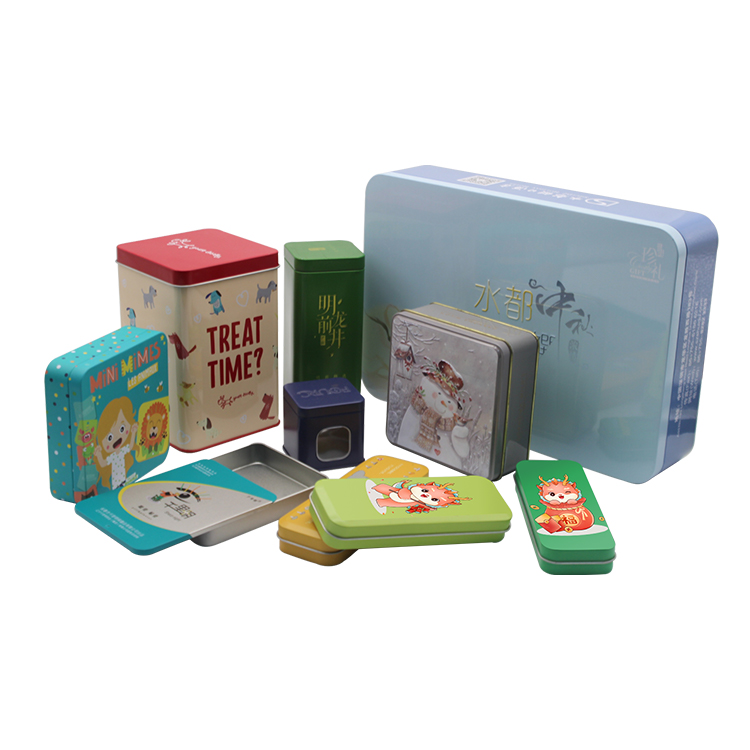
Small cookie boxes are typically defined as containers holding 4-12 cookies with dimensions ranging from 3x3x1 inches to 6x4x2 inches. These compact solutions serve multiple purposes:
- Introduce new flavors
- Wedding and party favors
- Corporate gifts
- Holiday treats
- Thank you gestures
- Calorie-conscious servings
- Dietary management
- Lunchbox portions
- Snack-size indulgence
- Portable treats
- Highlight artisanal quality
- Create unboxing experiences
- Showcase specialty cookies
- Enhance perceived value
- Brand differentiation
Key Benefits
Freshness Preservation: Airtight seals maintain crispness longer than bags or cardboard
Crush Protection: Rigid structure protects delicate cookies during transport
Portability: Fits perfectly in purses, lunchboxes, and gift bags
Reduced Waste: Smaller portions mean less food waste
Cost Efficiency: Lower material costs than larger containers
Another article The Art of Custom Cookie Boxes
A Brief History of Tin Packaging
The story of small cookie boxes is intertwined with the evolution of metal food preservation. From early experiments to modern innovations, each era contributed to today's packaging solutions:
1810: The First Tin Can
Peter Durand patented the tin can in England, creating containers made of wrought iron coated with tin to prevent rusting.
1866: Decorative Biscuit Tins
Huntley & Palmers pioneered decorative biscuit tins, including smaller versions for premium products.
1898: Royal Dansk Enters
The iconic blue tin of Danish butter cookies debuted, featuring smaller versions for gift-giving.
1920s: The Golden Age
Small decorative tins became popular for holiday cookies and specialty confections.
1950s: Portability Focus
Post-war convenience culture drove demand for portable, portion-controlled packaging.
2000s: Modern Renaissance
Artisanal food movement revived interest in premium small packaging with vintage appeal.
What is Tinplate?
Tinplate is cold-rolled steel sheet coated with a thin layer of tin. This combination provides ideal properties for small cookie boxes:
- Barrier Protection: Blocks light, moisture, and oxygen
- Non-reactive Surface: Prevents metallic taste transfer
- Printability: Excellent surface for decorative designs
- Formability: Can be shaped into intricate designs
Modern Tinplate Boxes: Pros and Cons
While tinplate remains popular for small cookie boxes, it's important to understand its advantages and limitations:
Advantages
Superior Preservation: Maintains freshness 3-4x longer than cardboard
Premium Perception: Communicates quality and value
Durability: Withstands handling and stacking
Recyclability: 100% recyclable with high recovery rates
Brand Canvas: Excellent surface for printing and decoration
Disadvantages
Cost: More expensive than plastic alternatives
Weight: Heavier than comparable plastic containers
Denting: Can deform under pressure
Production Limitations: Minimum order quantities for custom designs
Environmental Impact: Energy-intensive production process
Tinplate vs. Alternative Materials
Compared to cardboard, tinplate offers superior protection but at higher cost. Against plastic, it provides better preservation and premium feel but with greater weight. Glass offers excellent barrier properties but is fragile and heavier.
Expert Perspectives: The Psychology of Small Packaging
"Small cookie boxes tap into powerful consumer psychology. Their compact size creates perception of preciousness, while the metal container signals quality. Our research shows that 68% of consumers perceive products in small metal tins as more premium than identical items in plastic or cardboard. This perception allows bakeries to command 20-40% price premiums."
Dr. Emily Chen, Consumer Behavior Researcher at Cornell University
Building on our previous discussion about custom cookie boxes, small formats offer unique advantages:
Behavioral Economics at Play
Small cookie boxes leverage several psychological principles:
- Scarcity Principle: Limited quantity feels more exclusive
- Hedonic Adaptation: Small portions maintain pleasure without satiation
- Perceived Value: Premium packaging justifies higher prices
- Gift Economy: Small packages facilitate reciprocal giving
Sustainability Considerations
While tinplate has excellent recycling credentials, small boxes present unique challenges. Industry studies show that small metal containers have a 15-20% lower recycling rate than larger ones due to sorting challenges. However, their high reuse rate (average 5-7 times) partially offsets this issue.
Creative Uses Beyond Cookies
The versatility of small cookie boxes extends far beyond baked goods:
In the Kitchen
Spice Storage: Perfect for whole spices and blends
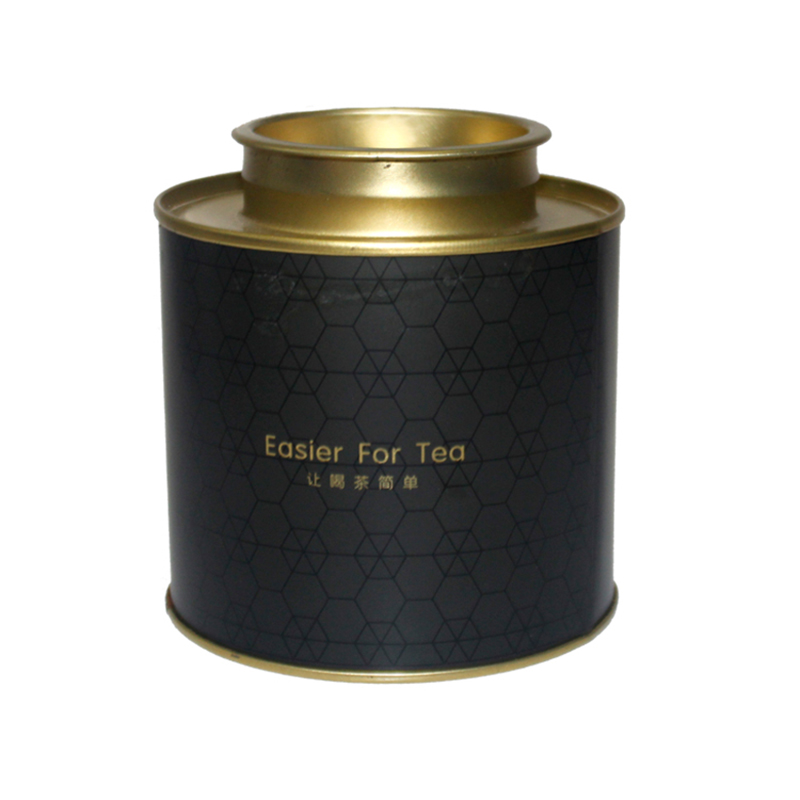
Tea Samples: Protect delicate tea leaves from light and air
Seed Storage: Organize gardening seeds with labels
Personal Organization
Jewelry: Store rings, earrings, and small treasures
First Aid: Mini kits for travel and emergencies
Sewing Kit: Classic reuse for buttons and needles
Craft & Hobby
Art Supplies: Organize watercolor pans or pastels
Bead Storage: Sort by color, size, or material
Collectibles: Protect coins, stamps, or small memorabilia
Business Applications
Product Samples: Introduce new items in premium packaging
Promotional Items: Create branded keepsakes with longevity
Loyalty Gifts: Reward customers with exclusive small treats
Frequently Asked Questions
What's the ideal size for small cookie boxes?
The most popular sizes range from 3x3x1.5 inches (holding 4 average cookies) to 5x4x2 inches (holding 10-12 cookies). Consider your cookie size and whether you need single or multiple layers.
How long do cookies stay fresh in small tin boxes?
Properly stored cookies maintain optimal freshness for 2-3 weeks in tin boxes versus 5-7 days in cardboard. Crisp cookies like shortbread last longer than soft, moist varieties.
Are small tin boxes eco-friendly?
Tinplate is 100% recyclable, but small containers have lower recycling rates. Their reusability significantly extends their lifecycle. Look for boxes with recycled content (typically 25-35%).
Can I put different cookie types together in one box?
It's best to separate strong-flavored cookies from delicate ones. Use parchment paper dividers or place different varieties in small paper cups within the tin to prevent flavor transfer.
Are vintage small cookie tins safe for food storage?
Pre-1980s tins may contain lead-based paint or solder. For decorative use only. Modern food-grade tins manufactured after 1990 are safe for food contact.
The Timeless Elegance of Tea Cans
The Art of Custom Cookie Boxes
Related Article