The Art of Custom Cookie Boxes
The Art of Custom Cookie Boxes
Where Personalization Meets Centuries of Packaging Tradition
Introduction
Custom cookie boxes represent the perfect marriage of tradition and innovation. These personalized containers transform simple baked goods into memorable gifts, marketing tools, and brand ambassadors. From family bakeries to corporate giants, custom cookie packaging elevates the humble cookie into a premium experience.
In this exploration of custom cookie boxes, we'll journey through the history of metal packaging, examine why tinplate remains a favorite for customization, and discover how modern printing technologies have revolutionized this centuries-old craft.
Table of Contents
What Are Custom Cookie Boxes?
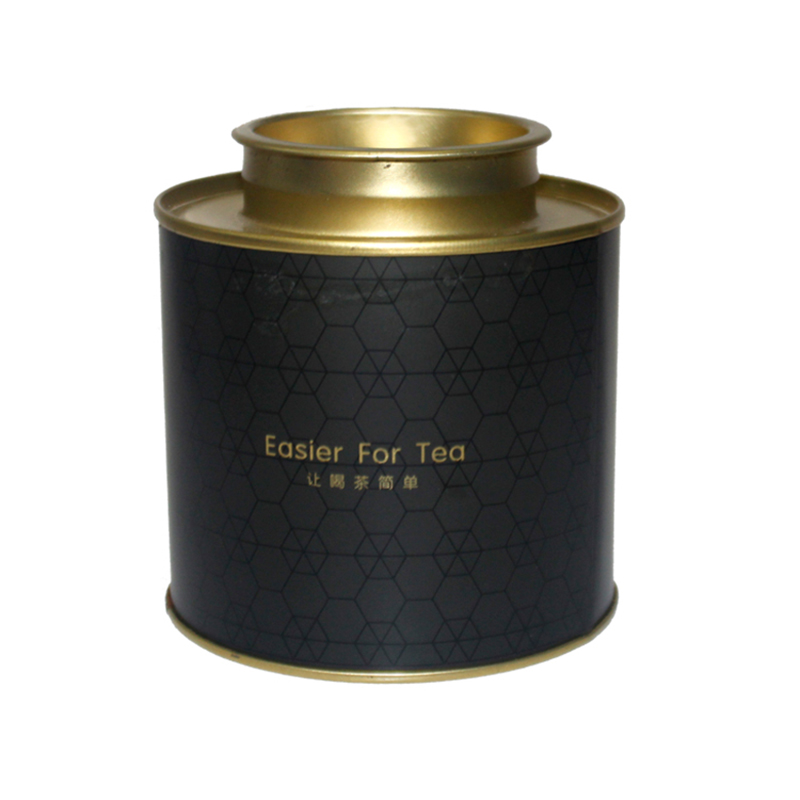
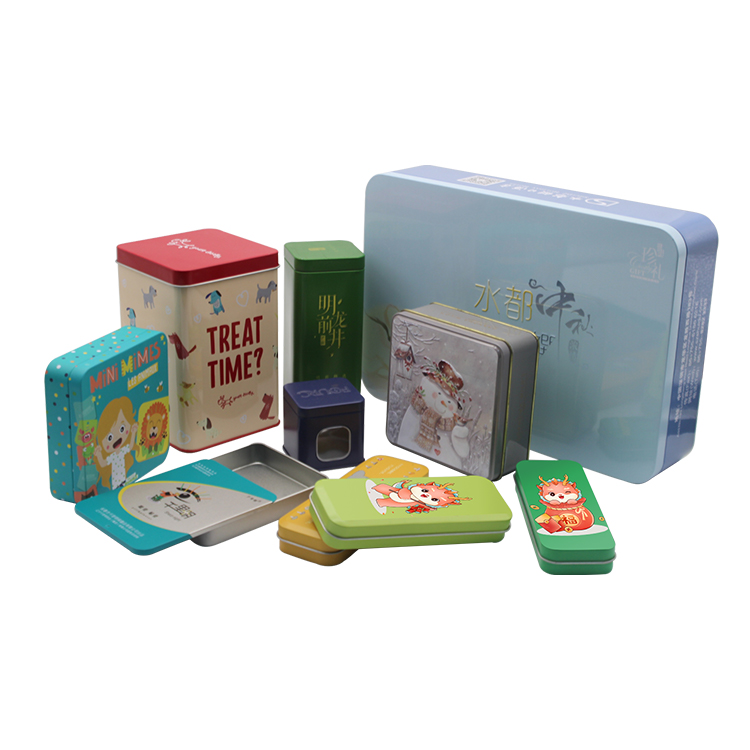
Custom cookie boxes are specially designed containers that go beyond mere storage—they're brand statements, personal expressions, and marketing tools. Unlike standard packaging, custom boxes are tailored to specific needs:
- Logo integration
- Brand colors and patterns
- Consistent brand messaging
- Premium brand positioning
- Storytelling through design
- Names and monograms
- Special occasion designs
- Personal messages
- Custom illustrations
- Unique color combinations
- Tailored compartment sizes
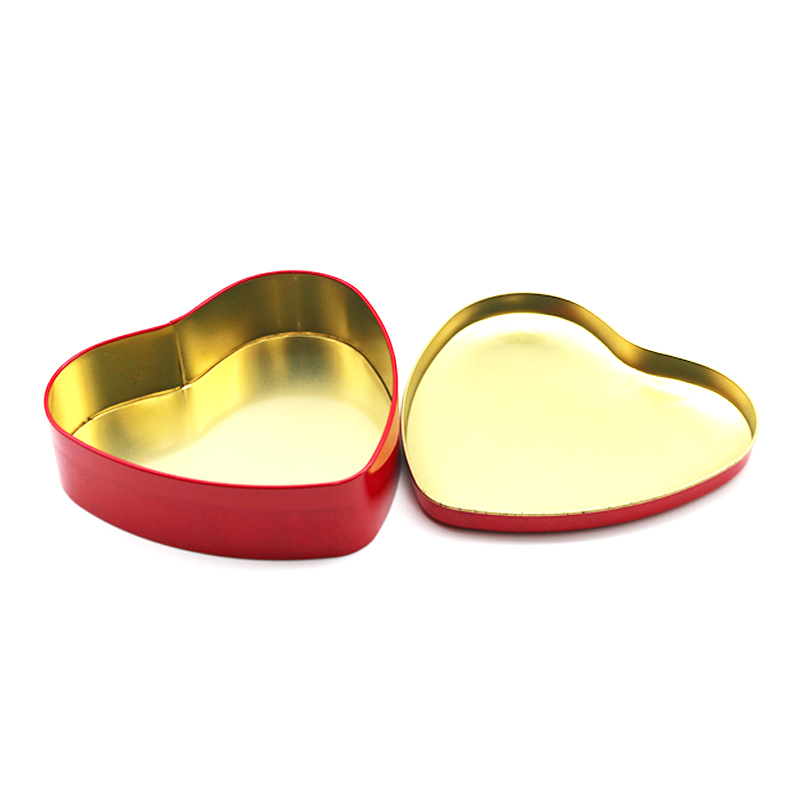
- Specialty shapes
- Unique opening mechanisms
- Integrated handles
- Stackable configurations
The Customization Spectrum
Customization ranges from simple logo printing on standard tins to fully bespoke creations with unique shapes, sizes, and opening mechanisms. The level of customization depends on budget, quantity, and marketing objectives.
Another article The Sweet Story of Cookie Boxes
A Brief History of Tin Packaging
The story of custom cookie boxes begins with the evolution of metal packaging. Understanding this history reveals why tinplate remains the gold standard for premium custom packaging:
1810: Birth of the Tin Can
Peter Durand patents the tin can in England, creating containers made of wrought iron coated with tin to prevent rusting.
1866: First Decorative Tins
Huntley & Palmers pioneers decorative biscuit tins, transforming packaging into a marketing canvas.
1890s: Offset Printing Revolution
The invention of offset lithography enables complex, colorful designs on metal surfaces.
1920s: The Golden Age
Tin boxes become collectible art pieces with intricate designs and custom shapes for special occasions.
1960s: Plastics Challenge
Plastic emerges as a cheaper alternative, but tinplate maintains its position for premium products.
2000s: Digital Revolution
Digital printing enables short-run custom designs, making bespoke packaging accessible to small businesses.
What is Tinplate?
Tinplate is cold-rolled steel sheet coated with a thin layer of tin. This combination provides the perfect canvas for custom cookie boxes:
- Printability: Exceptional surface for high-resolution graphics
- Durability: Withstands handling and shipping
- Barrier Properties: Protects contents from light, moisture, and oxygen
- Formability: Can be shaped into unique configurations
Modern Tinplate Packaging: Pros and Cons
While tinplate remains the premium choice for custom cookie boxes, it's essential to understand its advantages and limitations:
Advantages of Tinplate
Print Quality: Superior surface for vibrant, long-lasting graphics
Premium Perception: Communicates quality and value
Durability: Reusable and long-lasting
Custom Shapes: Can be formed into unique designs
Sustainability: 100% recyclable with high recovery rates
Disadvantages
Cost: Higher initial investment than alternatives
Weight: Heavier than plastic, increasing shipping costs
Lead Time: Longer production times for custom shapes
Minimum Orders: Higher MOQs than digital printing options
Design Limitations: Restrictions on undercuts and complex geometries
Tinplate vs. Alternative Materials
Compared to cardboard, tinplate offers superior protection and reusability but at a higher cost. Against plastic, it provides better print quality and environmental credentials but with greater weight. Glass offers premium appeal but lacks customization options and is fragile.
Expert Perspectives: The Power of Custom Packaging
"Custom cookie boxes create powerful brand experiences. Our research shows that 72% of consumers form their first impression of a product based on packaging, and 40% would pay more for products in premium packaging. Tinplate custom boxes deliver this premium experience while offering practical benefits that align with modern sustainability values."
Dr. Marcus Johnson, Packaging Psychologist at Brand Experience Labs
Building on our previous discussion about standard cookie boxes, customization adds significant value:
Emotional Connection Through Design
Custom packaging transforms generic containers into meaningful keepsakes. Research shows that 65% of consumers reuse attractive custom cookie tins, creating extended brand exposure.
Marketing ROI
Custom cookie boxes deliver measurable marketing results:
- Brand recall increases by 3.5× compared to standard packaging
- Social sharing of custom packaging is 7× higher
- Perceived value increases by 30-50% with premium custom packaging
Benefits of Custom Cookie Boxes
For Businesses
Brand Differentiation: Stand out in crowded markets
Premium Positioning: Justify higher price points
Marketing Versatility: Use for promotions, limited editions, and collaborations
Customer Loyalty: Create collectible packaging that encourages repeat purchases
For Personal Use
Memorable Gifting: Create unforgettable presents for special occasions
Personal Expression: Showcase creativity and thoughtfulness
Keepsake Value: Design packaging meant to be treasured long after cookies are eaten
Event Branding: Customize for weddings, corporate events, and parties
The Customization Process
Creating custom cookie boxes involves several key steps:
- Design Conceptualization: Establish goals and visual direction
- Material Selection: Choose appropriate tinplate gauge and finish
- Prototyping: Create physical mockups for evaluation
- Printing Technique: Select offset, digital, or screen printing
- Forming and Assembly: Shape metal and assemble components
- Quality Control: Ensure consistency and durability
Frequently Asked Questions
How much do custom cookie boxes cost?
Costs range from $2-5 per unit for basic printed designs on standard tins to $15-50+ for fully custom shapes with specialty finishes. Factors include order quantity, complexity, printing method, and material thickness.
What's the minimum order quantity for custom tins?
Traditional tinplate stamping typically requires 1,000+ units. Digital printing options offer MOQs as low as 50 units. For fully custom shapes, 5,000 units is common.
How long does production take?
Standard printed tins: 4-6 weeks. Fully custom shaped tins: 12-16 weeks. Digital printing on stock tins: 2-3 weeks. Always factor in additional time for design and prototyping.
Are custom cookie boxes food-safe?
Modern food-grade tinplate is completely safe. Ensure your manufacturer uses FDA-compliant materials and food-safe inks. Avoid vintage tins for food storage due to potential lead content.
What printing methods are available?
Offset lithography: Best for high-volume, complex designs
Digital printing: Ideal for short runs and photo-realistic images
Screen printing: Great for bold, simple designs and specialty inks
Embossing/debossing: Adds tactile dimension to designs
The Complete Guide to Small Cookie Boxes
The Sweet Story of Cookie Boxes
Related Article