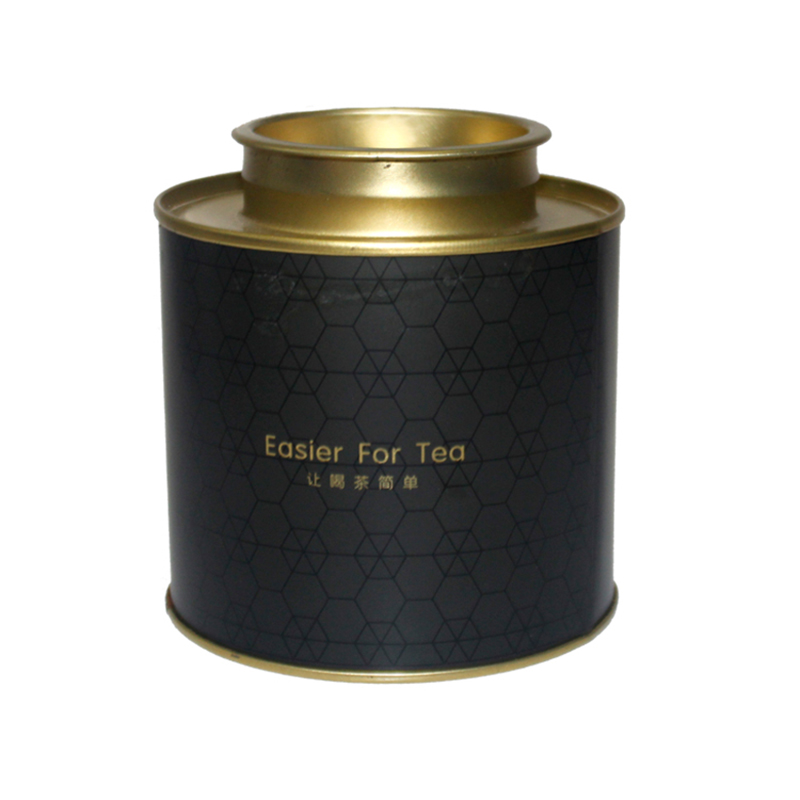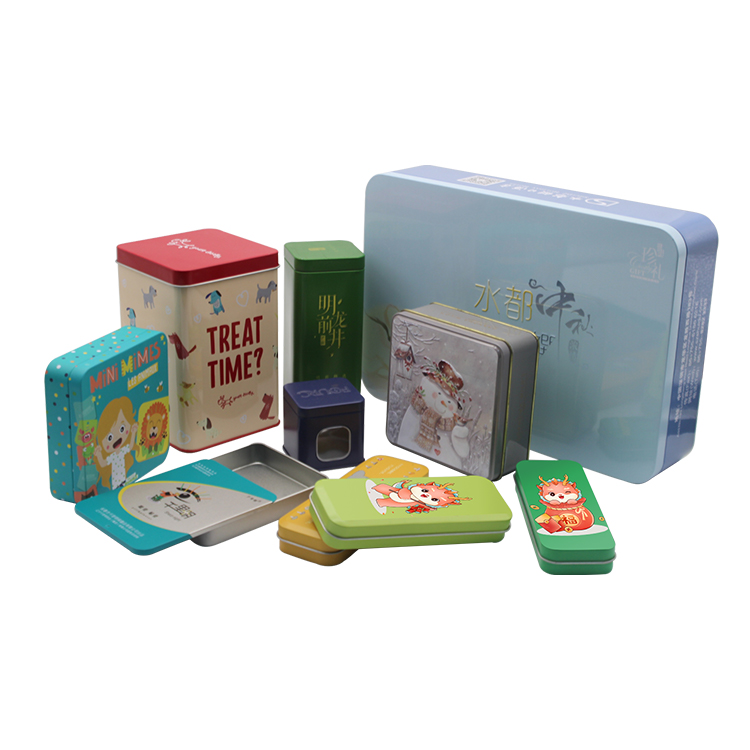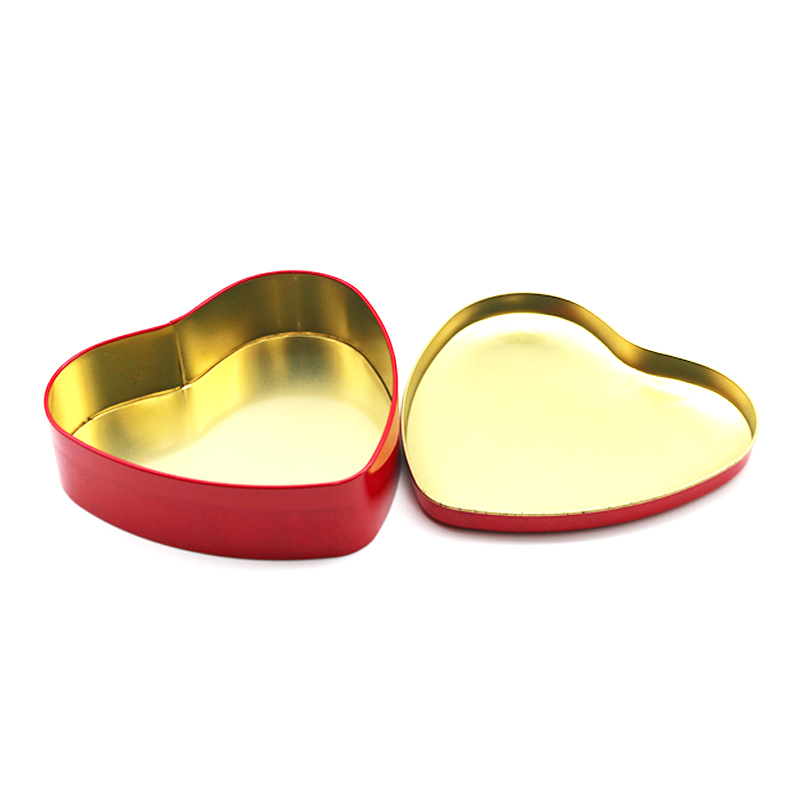
The Sweet Story of Cookie Boxes
The Sweet Story of Cookie Boxes
Preserving Traditions from Historic Tins to Modern Delights
Introduction
Cookie boxes represent more than just containers—they're guardians of tradition, preservers of freshness, and carriers of sweet memories. From the nostalgic tins that held grandma's holiday cookies to the modern packaging that keeps gourmet treats crisp, these containers have played an essential role in baking culture for centuries.
In this exploration of cookie boxes, we'll journey through the history of metal tins, examine why tinplate remains a preferred material for cookie preservation, and discover how these containers have become cherished keepsakes that often outlast their delicious contents.
Table of Contents
Another article The Ultimate Guide to Snack Boxes
What Are Cookie Boxes?
Cookie boxes are specialized containers designed to preserve, protect, and present baked goods. Unlike generic food storage, these boxes address the unique needs of cookies:
Key Benefits of Quality Cookie Boxes
Moisture Control: Cookies stay crisp by maintaining optimal humidity levels.
Aroma Preservation: Sealed containers lock in fresh-baked scents.
Protection: Sturdy construction prevents crushing during transport.
Presentation: Beautiful tins enhance gift-giving experiences.
Long-Term Storage: Quality containers preserve cookies for weeks.
Ideal Cookies for Tin Storage
- Danish butter cookies
- Shortbread
- Spritz cookies
Benefit from tin's moisture control
- Gingerbread
- Sugar cookies
- Springerle
Traditionally stored in decorative tins
- Biscotti
- Tuiles
- Lace cookies
Protected from breaking in sturdy tins
The History of Cookie Tins
The story of cookie boxes is intertwined with the evolution of food preservation. From early metal containers to today's decorative tins, each era brought innovations:
1810: The First Tin Can
Peter Durand patented the tin can in England. Early containers were made of wrought iron coated with tin to prevent rusting.
1866: First Biscuit Tins
Huntley & Palmers pioneered decorative biscuit tins, transforming utilitarian containers into marketing pieces.
1898: Royal Dansk
The iconic blue tin of Danish butter cookies debuted, establishing the cookie tin as a cultural symbol.
Early 1900s: Tinplate Dominance
Tinplate (steel coated with tin) became standard for cookie storage due to its preservation properties.
1950s: Collectible Tins
Cookie tins became collector's items, with companies producing elaborate holiday designs.
2000s: Modern Innovations
New sealing technologies and sustainable materials complement traditional tinplate boxes.
What Makes Tinplate Special?
Tinplate revolutionized cookie storage with its unique properties:
- Barrier Protection: Blocks light, moisture, and oxygen
- Non-reactive: Tin coating prevents metallic taste transfer
- Durability: Withstands stacking and shipping
- Printability: Excellent surface for decorative designs
Modern Tinplate Cookie Boxes: Pros and Cons
While tinplate remains popular for cookie storage, modern alternatives offer different benefits:
Advantages of Tinplate
Superior Preservation: Maintains crispness for weeks
Recyclability: Infinitely recyclable without quality loss
Durability: Can last decades with proper care
Decorative Potential: Beautiful designs become keepsakes
Odor Resistance: Doesn't absorb food smells
Disadvantages
Weight: Heavier than plastic alternatives
Cost: More expensive to produce
Denting: Can deform under impact
Limited Shapes: Less design flexibility than plastic
Potential for Rust: If inner coating damaged
Tinplate vs. Other Materials
Plastic containers are lighter and cheaper but often lack the premium feel and preservation qualities of tinplate. Glass jars offer visibility but are fragile and heavy. Cardboard boxes are eco-friendly but provide limited protection and short-term freshness.
Expert Insights: The Psychology of Cookie Tins
"Cookie tins trigger powerful nostalgia. The distinctive sound of opening a metal tin transports people back to childhood moments. This emotional connection explains why 72% of consumers prefer metal tins for special occasion cookies, despite more affordable options existing."
Dr. Emma Richardson, Food Anthropologist at Culinary Heritage Institute
Building on our previous discussion about snack boxes, cookie containers serve dual purposes:
Functional vs. Emotional Value
While snack boxes prioritize convenience and portability, cookie boxes balance preservation with emotional significance. The best designs address both practical needs and nostalgic appeal.
Sustainability Considerations
Tinplate cookie tins have a significantly longer usable life than most alternatives. Industry studies show that the average cookie tin is reused 8-12 times before recycling, creating a smaller environmental footprint than single-use packaging.
Creative Uses Beyond Cookies
Cookie tins often become cherished containers for other purposes:
Around the Home
Sewing Kits: The classic reuse for cookie tins
Memory Boxes: Store photos, letters, and mementos
First Aid: Compact medical supplies storage
In the Kitchen
Spice Storage: Keep whole spices fresh
Tea Collections: Protect tea from light and moisture
Baking Supplies: Store cookie cutters and decorating tools
For Crafts
Art Supply Organizer: Pencils, brushes, and markers
Button Collections: The perfect container
Mini Greenhouse: Start seedlings in repurposed tins
Frequently Asked Questions
Why do cookies stay fresher longer in metal tins?
Tinplate creates an excellent barrier against moisture, oxygen, and light—the three elements that cause cookies to become stale. The airtight seal prevents humidity fluctuations that affect texture.
Can I put different cookie types together in one tin?
It's best to separate strong-flavored cookies (like gingerbread) from delicate ones (like shortbread). Use parchment dividers or place different varieties in separate bags within the tin.
How should I clean my cookie tin between uses?
Wash with mild soap and warm water. Avoid abrasive cleaners. Dry thoroughly before storing. For stubborn odors, leave crumpled newspaper inside for 2-3 days.
Are vintage cookie tins safe for food storage?
Pre-1980s tins may contain lead-based paint or solder. For decorative use only. Modern food-grade tins manufactured after 1990 are safe for food contact.
How long do cookies last in a tin versus plastic?
Cookies stay fresh in quality tins for 3-4 weeks versus 1-2 weeks in plastic. Crisp cookies maintain texture better in tins, while soft cookies do equally well in both.
The Art of Custom Cookie Boxes
The Ultimate Guide to Snack Boxes
Related Article