The Ultimate Guide to Snack Boxes
The Ultimate Guide to Snack Boxes
From Historic Tin Cans to Modern Convenience - How Packaging Revolutionized Our Snacking Habits
Introduction
In today's fast-paced world, snack boxes have become an essential part of our daily lives. These convenient containers allow us to enjoy fresh, portion-controlled snacks anywhere, anytime. But beyond their modern convenience lies a fascinating history of innovation in food preservation and packaging.
In this comprehensive guide, we'll explore the evolution of snack boxes from their origins in tin and iron cans to today's sophisticated packaging solutions. We'll examine how these containers preserve freshness, the environmental considerations of different materials, and why they've become a staple in homes, offices, and schools worldwide.
Table of Contents
What Are Snack Boxes?
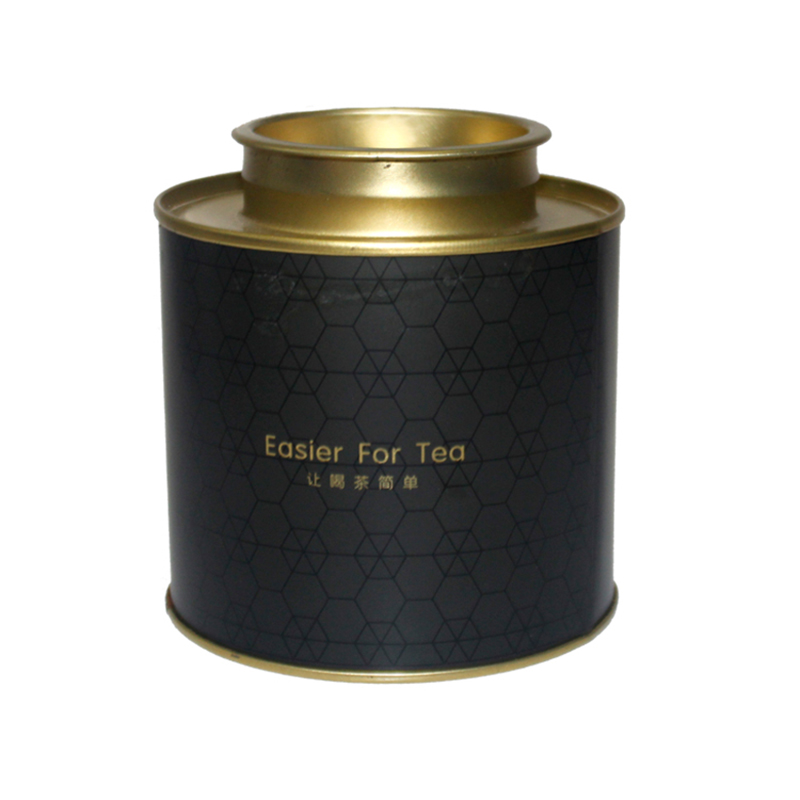
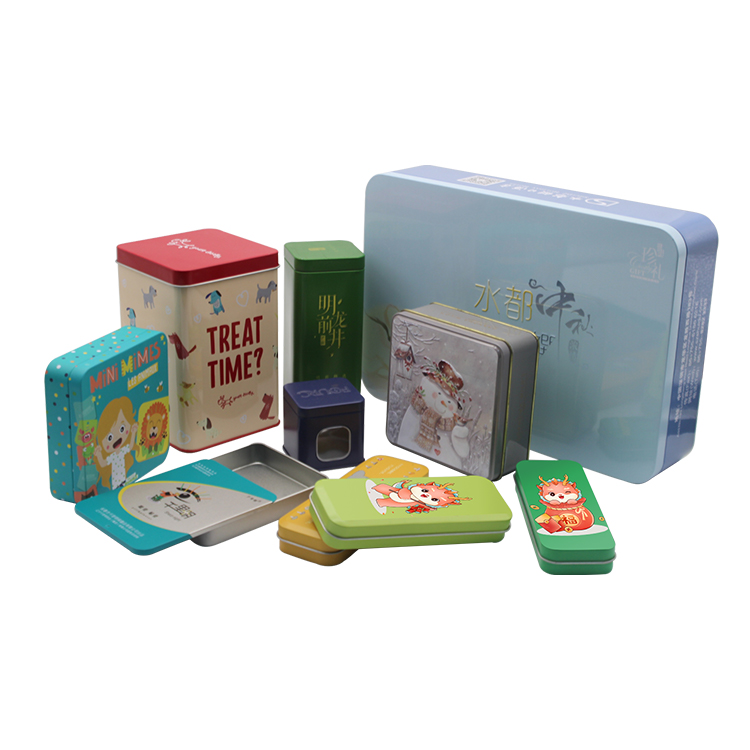
Snack boxes are specially designed containers that allow for convenient storage, portioning, and transportation of snacks. These portable solutions serve multiple purposes:
Key Benefits of Snack Boxes
Portability: Compact and lightweight, snack boxes are perfect for lunchboxes, picnics, and on-the-go eating.
Freshness Preservation: Airtight containers keep snacks crisp and flavorful longer than traditional packaging.
Portion Control: Pre-portioned containers help manage snack sizes and nutritional intake.
Organization: Compartmentalized designs allow for multiple snack types in one container.
Reduced Waste: Reusable snack boxes minimize single-use packaging waste.
A Brief History of Tin Cans, Iron Cans, and Tinplate Packaging
The story of modern snack boxes begins with the development of food preservation technology in the 19th century. Understanding this history helps us appreciate the innovation behind today's packaging solutions.
1810: The Birth of Tin Cans
Peter Durand patented the tin can in England, creating the first metal food containers. These early cans were handmade from wrought iron and coated with tin to prevent rusting.
1813: First Commercial Use
Bryan Donkin and John Hall established the world's first commercial canning factory in London, supplying the British Royal Navy with preserved foods in tin-coated iron cans.
1846: The Can Opener Revolution
Ezra Warner patented the first can opener, making canned goods accessible to households. Previously, cans were opened with hammers and chisels!
Early 1900s: Tinplate Dominance
Tinplate (steel coated with tin) became the dominant material for food preservation. Its rust resistance and solderability made it ideal for mass production.
1935: Beer Can Innovation
Krueger Brewing Company introduced the first beer can, demonstrating tinplate's versatility beyond food preservation.
1950s: Aluminum Competition
Aluminum emerged as a competitor to tinplate, offering lighter weight for beverage containers while tinplate maintained dominance in food packaging.
What is Tinplate?
Tinplate is cold-rolled steel sheet coated with a thin layer of tin. This combination provides:
- Excellent corrosion resistance
- Non-toxic food contact surface
- Good solderability for sealing
- Strong yet formable material
Modern Tinplate Snack Boxes: Pros and Cons
Today's snack boxes leverage centuries of packaging innovation. Tinplate remains a popular choice, but how does it compare to alternatives like plastic and glass?
Advantages of Tinplate Snack Boxes
Superior Preservation: Excellent barrier against light, oxygen, and moisture
Durability: Resists crushing and protects contents during transport
Recyclability: Tinplate is 100% recyclable without quality loss
Temperature Resistance: Can handle freezing and oven heating
Brand Appeal: Premium look with excellent printing surface
Disadvantages of Tinplate Snack Boxes
Weight: Heavier than plastic alternatives
Cost: Generally more expensive to produce
Corrosion Potential: If coating is damaged, rust can develop
Limited Shapes: Less design flexibility compared to plastic
Opening Difficulty: Some designs require tools for opening
Tinplate vs. Other Materials
Compared to plastic containers, tinplate offers superior protection but with greater weight. Against glass, it provides similar barrier properties with dramatically improved durability and reduced breakage risk.
Expert Insights: The Shift Toward Sustainable Packaging
"The packaging industry is undergoing a sustainability revolution. While tinplate has excellent recycling credentials, we're seeing innovations in materials science that could transform snack packaging. Our research shows that consumers increasingly prioritize environmental impact when choosing products."
Dr. Elena Rodriguez, Sustainable Packaging Researcher at GreenTech Institute
Building on our previous discussion about eco-friendly packaging solutions, modern snack boxes represent an interesting sustainability case study:
Lifecycle Considerations
Tinplate's environmental advantage comes from its infinite recyclability. Unlike plastic which degrades with each recycling cycle, steel and tin can be recycled repeatedly without quality loss.
The Circular Economy Connection
Leading manufacturers are designing snack boxes with end-of-life in mind. Features like easy separation of materials and minimal mixed-material construction improve recyclability rates.
Creative Uses for Snack Boxes Beyond Food Storage
While primarily designed for snacks, these versatile containers have found numerous creative applications:
Organization Solutions
Small tinplate containers make excellent organizers for:
- Office supplies (paper clips, thumbtacks, rubber bands)
- Craft supplies (beads, buttons, sequins)
- Workshop items (nails, screws, washers)
Travel Companions
Their durable construction makes snack boxes ideal for:
- Jewelry storage during travel
- First-aid kits for minor emergencies
- Mini survival kits with matches, fishing line, etc.
Frequently Asked Questions About Snack Boxes
Are tinplate snack boxes safe for food storage?
Yes, modern food-grade tinplate is specifically designed for food contact. The tin coating creates a non-reactive barrier between food and steel. Always look for BPA-free and food-safe certifications.
How should I clean my reusable snack boxes?
Hand wash with mild detergent and warm water is recommended. Avoid abrasive cleaners that could damage the tin coating. Ensure thorough drying before storage to prevent moisture-related issues.
Can I microwave food in tinplate containers?
No, metal containers should never be used in microwave ovens. For reheating, transfer food to microwave-safe dishes. Some tinplate containers are oven-safe (check manufacturer instructions).
How many times can tinplate be recycled?
Tinplate can be recycled infinitely without degradation of quality. The recycling process separates tin from steel, allowing both materials to be reused in new products.
Are there BPA-free plastic alternatives to tinplate boxes?
Yes, many manufacturers now offer BPA-free plastic snack boxes. While lighter weight, they typically offer less protection against oxygen and may retain odors over time compared to tinplate.
The Sweet Story of Cookie Boxes
Gift Boxes: Where Tradition Meets Sustainable Presentation
Related Article