Tea Cans: Preserving Tradition in Every Leaf
Tea Cans: Preserving Tradition in Every Leaf
Table of Contents
-
What Are Tea Cans?
-
The Historical Legacy of Tin, Iron, and Tinplate
-
Modern Uses of Tea Cans
-
Pros and Cons of Modern Tinplate Tea Cans
-
Expert Insights on Freshness and Sustainability
-
FAQs About Tea Cans
What Are Tea Cans?
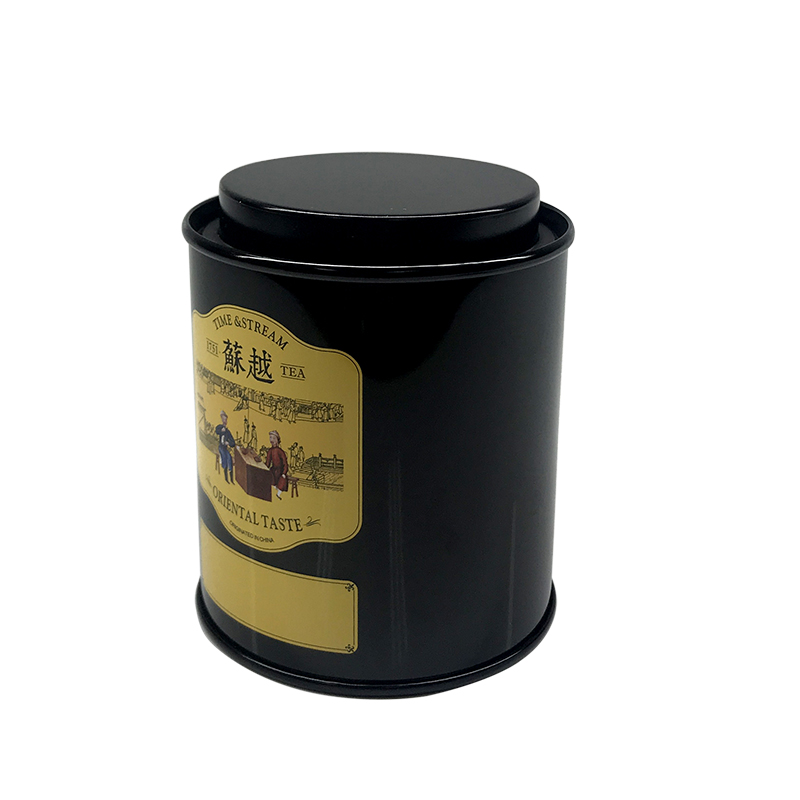
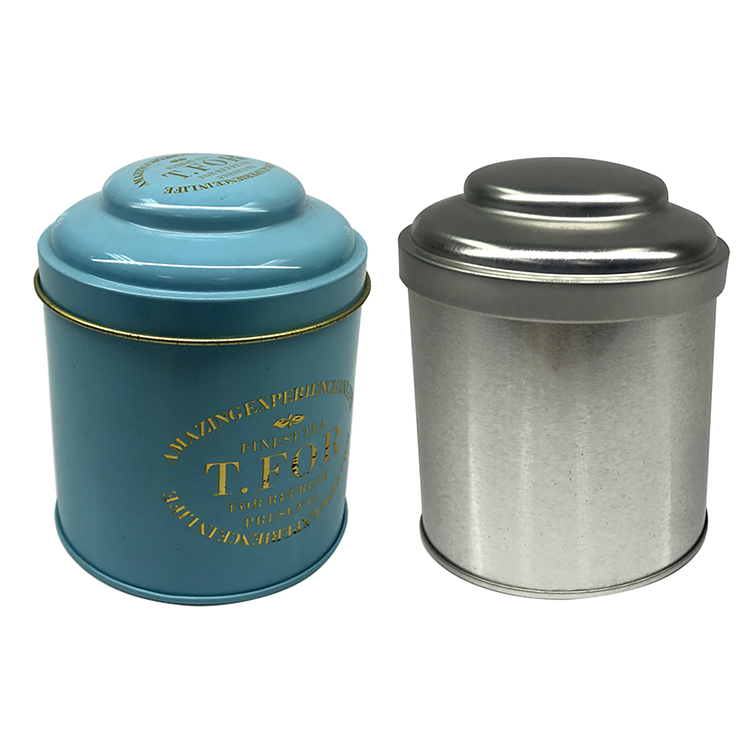
Tea cans are airtight containers made from tinplate steel, designed to protect tea leaves from moisture, light, and oxygen—key enemies of freshness. These cans preserve the aroma, flavor, and nutritional value of tea while serving as elegant storage solutions for kitchens, gift boxes, or collector’s items. From classic Earl Grey tins to artisanal matcha containers, they blend practicality with timeless design.
The Historical Legacy of Tin, Iron, and Tinplate
The Birth of Metal Preservation
The story begins in 1810, when British merchant Peter Durand patented the tin can using tinned iron (iron coated with tin) to preserve food for naval voyages. Though initially clunky, these early containers laid the groundwork for modern tea cans.
Victorian-Era Elegance
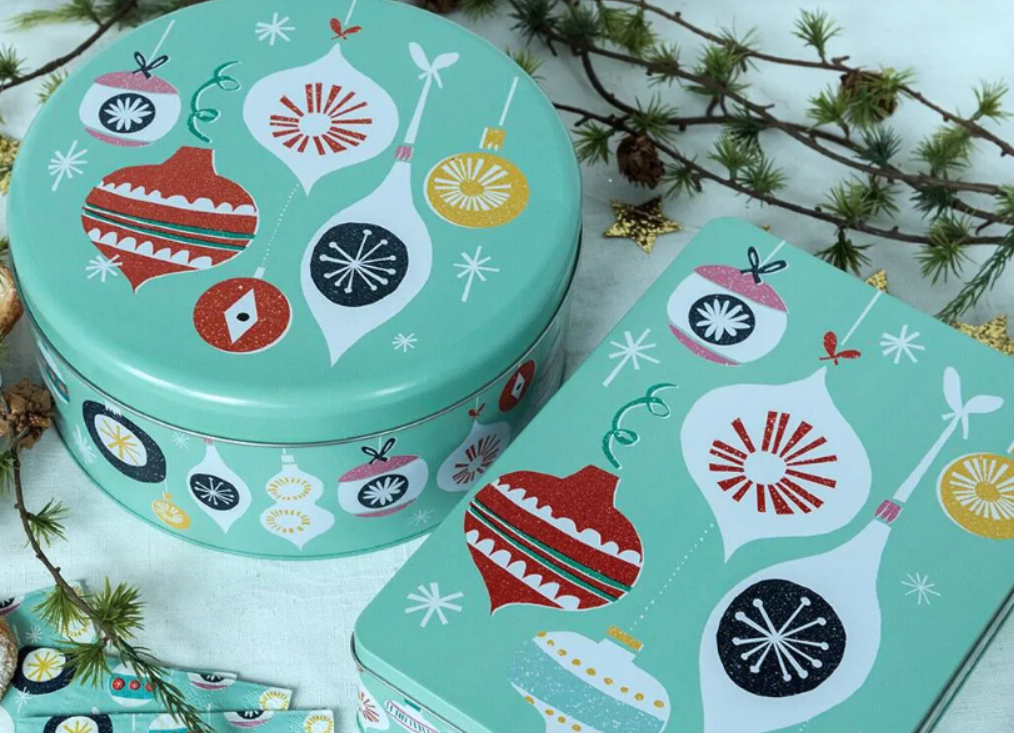
By the late 1800s, tinplate steel production surged, and brands like Fortnum & Mason and Twinings began crafting ornate tea tins adorned with floral motifs and gold accents. These tins were symbols of status, often reused as sewing kits or household décor—a tradition mirrored in today’s holiday tins and custom watch boxes.
Wartime Adaptations
During WWII, iron tin containers were repurposed for military supplies. Post-war innovations introduced lightweight designs and advanced coatings, paving the way for today’s airtight, eco-friendly tea cans.
Please refer to another article Custom Watch Boxes: Where Heritage Meets Modern Luxury.
Modern Uses of Tea Cans
Freshness Preservation
-
Airtight Seals: Block humidity and oxygen, extending tea shelf life by months or even years.
-
UV Protection: Tinplate’s opacity shields delicate teas like green or white varieties from light degradation.
Luxury Gifting and Branding
-
Custom Designs: Brands like Harney & Sons use embossed tins to elevate unboxing experiences.
-
Collector’s Items: Limited-edition tins, such as Twining’s Christmas blends, become nostalgic keepsakes.
Sustainable Storage
-
Reusable Functionality: Repurpose empty tins for spices, office supplies, or DIY projects (inspired by metal snack boxes).
-
Recyclability: Tinplate steel is 100% recyclable, aligning with zero-waste lifestyles.
Pros and Cons of Modern Tinplate Tea Cans
Advantages
-
Durability: Resistant to rust, dents, and temperature fluctuations.
-
Barrier Properties: Superior to glass or plastic in blocking light, moisture, and odors.
-
Aesthetic Appeal: Vintage or minimalist designs enhance kitchen décor.
Disadvantages
-
Weight: Bulkier than paper or plastic alternatives, increasing shipping costs.
-
Cost: Higher production expenses due to material and printing processes.
-
Recycling Hurdles: Mixed materials (e.g., plastic liners) require separation before recycling.
Expert Insights on Freshness and Sustainability
Dr. Emily Carter (referenced in our antique tin box article) remarks:
“Tinplate tea cans strike a rare balance between tradition and innovation. Their hermetic seals preserve tea’s volatile oils, while recyclability supports eco-goals—though brands must prioritize mono-material designs.”
James Hoffmann, coffee and tea expert, adds:
“A quality tea can isn’t just storage—it’s part of the tea experience. The ritual of opening a beautifully designed tin heightens anticipation, much like unboxing a custom watch box.”
FAQs About Tea Cans
1. Can I reuse tea cans for loose-leaf tea?
Absolutely! Clean thoroughly and ensure they’re dry to prevent residual odors.
2. Are tinplate cans safe for food storage?
Yes—modern food-grade liners prevent metallic tastes. Avoid antique tins with lead-based coatings.
3. How do I recycle tea cans?
Rinse, remove labels, and recycle with metals. Tinplate steel retains quality through endless cycles.
4. Why choose tin over ceramic or glass?
Tin offers superior light and moisture protection, crucial for delicate teas like oolong or matcha.
Conclusion
From Victorian parlors to modern pantries, tea cans have steeped history into every sip. Like their cousins—holiday tins and coffee containers—they prove that thoughtful design can preserve both flavor and heritage.
Round Gift Boxes: Elegance, Tradition, and Sustainable Gifting
Tin Cans for Crafts: Unleashing Creativity Through Upcycled History
Related Article