Custom Watch Boxes: Where Heritage Meets Modern Luxury
Custom Watch Boxes: Where Heritage Meets Modern Luxury
Table of Contents
-
What Are Custom Watch Boxes?
-
From Tin Cans to Timepieces: A Historical Perspective
-
Modern Craftsmanship: Design and Functionality
-
Tinplate Today: Pros and Cons
-
Expert Insights on Luxury and Sustainability
-
FAQs About Custom Watch Boxes
What Are Custom Watch Boxes?


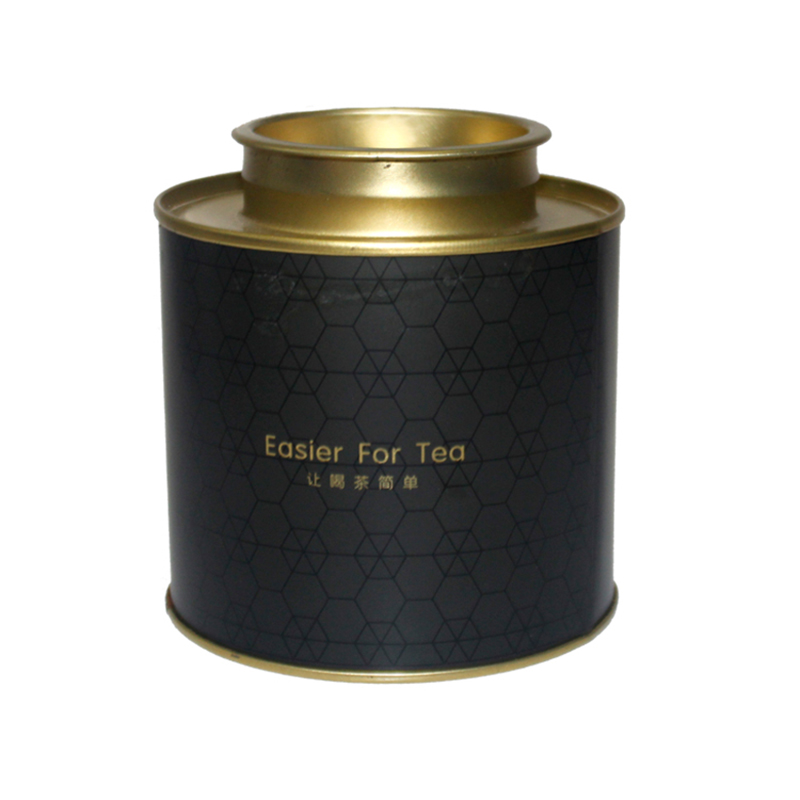
Custom watch boxes are bespoke storage solutions designed to protect, display, and celebrate luxury timepieces. Made from materials like tinplate steel, wood, or high-grade polymers, these boxes combine aesthetic elegance with practical features such as hermetic seals, plush interiors, and personalized engravings. Whether used for brand promotion, collector displays, or heirloom storage, they elevate the unboxing experience while safeguarding watches from dust, moisture, and scratches.
From Tin Cans to Timepieces: A Historical Perspective
The Birth of Tinplate Innovation
The journey of metal containers began in 1810 with Peter Durand’s patent for the tin can, crafted from tinned iron (iron coated with tin). Originally designed to preserve food for naval expeditions, these early containers prioritized durability over aesthetics. By the late 19th century, advancements in tinplate steel production allowed brands like Huntley & Palmers and Cadbury to create ornate tins for biscuits and chocolates—early ancestors of today’s luxury packaging.
Industrial Revolution to Modern Luxury
The Industrial Revolution transformed tinplate into a symbol of craftsmanship and status. Elaborate designs featuring floral motifs and gold accents turned functional tins into household collectibles. Fast-forward to the 21st century, and this legacy lives on in custom watch boxes, where tinplate’s durability meets modern design sensibilities.
Modern Craftsmanship: Design and Functionality
Purpose-Built Protection
-
Airtight Seals: Prevent oxidation and humidity damage, critical for mechanical watches.
-
Custom Interiors: Molded foam or velvet liners cradle watches securely, mimicking the precision seen in antique tin boxes for fragile items.
-
Branding Excellence: Laser engraving, embossed logos, and matte finishes transform boxes into marketing masterpieces.
Sustainability in Style
-
Recyclable Materials: Tinplate steel is 100% recyclable, aligning with eco-conscious consumer demands.
-
Multi-Use Potential: Empty boxes can store jewelry, cufflinks, or even serve as décor, much like repurposed holiday tins.
Please refer to another article Antique Tin Boxes: A Journey Through Time and Craftsmanship.
Tinplate Today: Pros and Cons
Advantages of Tinplate Watch Boxes
-
Durability: Resistant to dents, rust, and temperature shifts—ideal for shipping and long-term storage.
-
Barrier Properties: Superior protection against light, oxygen, and moisture compared to plastic or wood.
-
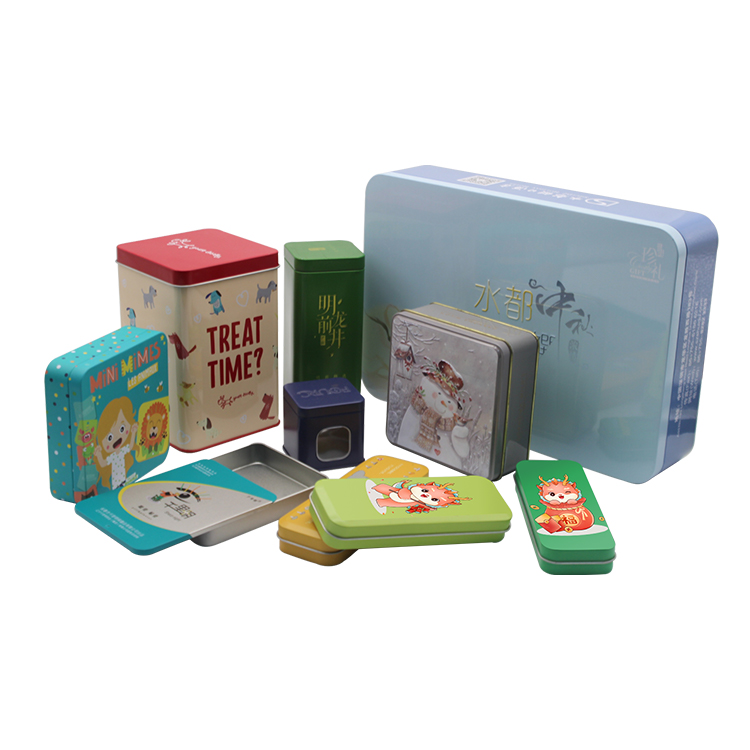
Customization: Advanced printing techniques allow intricate designs, from vintage lithography to minimalist branding.
Challenges
-
Weight: Heavier than alternatives like acrylic, increasing shipping costs.
-
Cost: Higher production expenses due to material and finishing processes.
-
Recycling Complexity: Mixed materials (e.g., fabric liners) require disassembly before recycling.
Expert Insights on Luxury and Sustainability
Dr. Emily Carter, a packaging historian (referenced in our antique tin box article), notes:
“Tinplate’s resilience and recyclability make it a timeless choice for luxury packaging. However, brands must balance ornate designs with eco-friendly practices—think mono-material construction and non-toxic inks.”
Luca Marino, a Swiss watch designer, adds:
“A custom watch box isn’t just packaging; it’s the first chapter of a watch’s story. Tinplate’s tactile feel and weight convey quality before the lid is even opened.”
FAQs About Custom Watch Boxes
1. Are tinplate watch boxes safe for luxury watches?
Yes! Modern coatings are non-reactive, and airtight seals protect against environmental damage.
2. Can I reuse these boxes for other purposes?
Absolutely—store jewelry, coins, or even tea bags, much like repurposed metal snack boxes.
3. How do tinplate boxes compare to wooden ones?
Tinplate offers superior moisture resistance and durability, while wood provides a classic, organic aesthetic.
4. Are they environmentally friendly?
Yes! Tinplate steel is endlessly recyclable. Always check local guidelines for separating liners or adhesives.
Conclusion
From 19th-century biscuit tins to modern custom watch boxes, tinplate has evolved from humble preservation tool to a symbol of timeless luxury. Like their cousins—gift tin boxes and airtight coffee containers—these boxes prove that heritage materials can adapt to contemporary needs, blending sustainability with sophistication.
round Boxes: Circular Design Meets Timeless Utility
Antique Tin Boxes: A Journey Through Time and Craftsmanship
Related Article