Round Gift Boxes: Elegance, Tradition, and Sustainable Gifting
Round Gift Boxes: Elegance, Tradition, and Sustainable Gifting
Table of Contents
-
What Are Round Gift Boxes?
-
A Historical Journey: From Tin Cans to Circular Craftsmanship
-
Modern Uses of Round Gift Boxes
-
Pros and Cons of Tinplate Round Boxes
-
Expert Insights on Design and Sustainability
-
FAQs About Round Gift Boxes
What Are Round Gift Boxes?


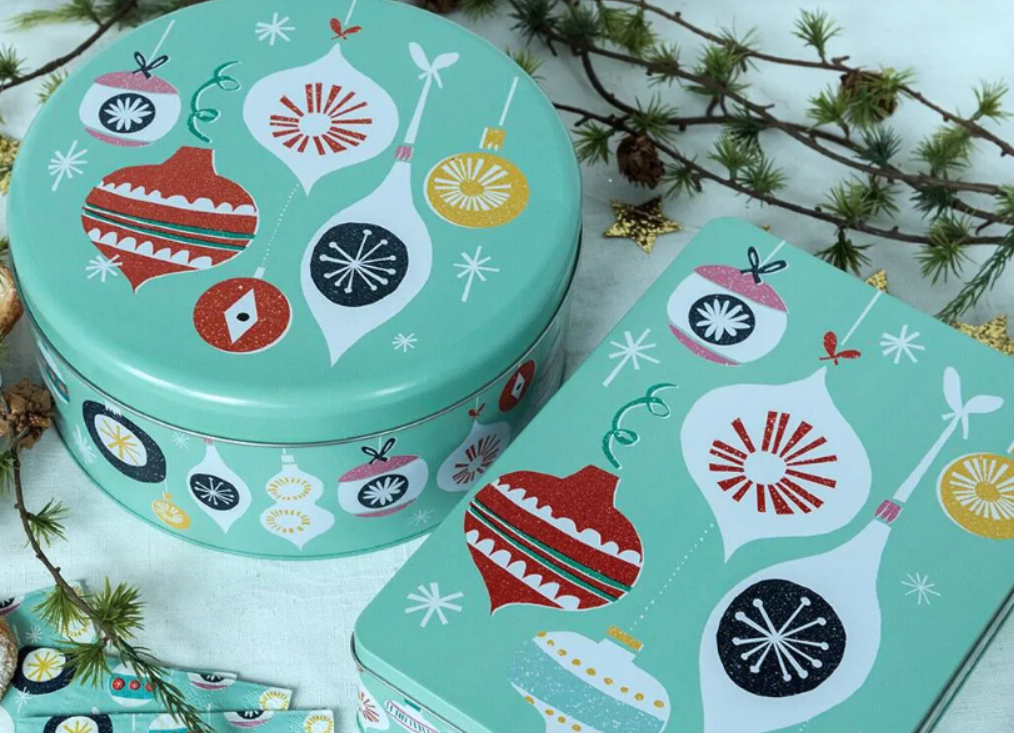
Round gift boxes are circular containers crafted from materials like tinplate steel, cardboard, or wood, designed to elevate the art of gifting. Their seamless, ergonomic shape combines practicality with visual appeal, making them ideal for packaging jewelry, sweets, cosmetics, or luxury items. Beyond aesthetics, they offer airtight protection and reusability, aligning with eco-conscious trends—much like their cousins tea cans and holiday tins.
A Historical Journey: From Tin Cans to Circular Craftsmanship
The Birth of Metal Packaging
The story begins in 1810 when British merchant Peter Durand patented the tin can using tinned iron (iron coated with tin). Initially designed for preserving food, these early containers were rectangular. By the mid-19th century, tinplate steel production surged during the Industrial Revolution, enabling brands to experiment with shapes—including round tins for biscuits and tea, prized for their minimal material waste and decorative potential.
Victorian-Era Opulence
By the late 1800s, companies like Huntley & Palmers and Cadbury popularized ornate round tins adorned with floral lithography. These tins doubled as household décor or storage for sewing supplies, echoing the multi-purpose use of today’s custom watch boxes.
Modern Evolution
Post-WWII innovations introduced lightweight designs and advanced coatings, transforming round tins into symbols of mid-century modern elegance. Today, they blend heritage craftsmanship with sustainable packaging principles.
Please refer to another article round Boxes: Circular Design Meets Timeless Utility.
Modern Uses of Round Gift Boxes
Luxury Gifting
-
Jewelry and Watches: Round boxes cradle delicate items like rings or timepieces, offering a tactile unboxing experience akin to custom watch boxes.
-
Cosmetics and Perfumes: Brands like L’Occitane use round tins for creams and balms, emphasizing premium appeal.
Everyday Versatility
-
Food Storage: Airtight round tins preserve cookies, teas, or spices, leveraging tinplate steel’s barrier against light and moisture.
-
Home Décor: Repurpose empty boxes as candle holders, planters, or desk organizers—inspired by metal snack boxes.
Sustainability Spotlight
-
Recyclable Materials: Tinplate steel is 100% recyclable, reducing waste compared to plastic.
-
Reusable Design: Encourage recipients to reuse boxes, extending their lifecycle.
Pros and Cons of Tinplate Round Boxes
Advantages
-
Durability: Resistant to dents and corrosion, ideal for shipping and long-term use.
-
Aesthetic Flexibility: Curved surfaces allow 360-degree branding, embossing, or vintage prints.
-
Eco-Friendly: Infinitely recyclable and reusable, supporting circular economies.
Challenges
-
Production Cost: Complex shaping and printing raise expenses vs. square alternatives.
-
Weight: Heavier than plastic or cardboard, increasing transport emissions.
-
Recycling Complexity: Mixed materials (e.g., plastic liners) require disassembly.
Expert Insights on Design and Sustainability
Dr. Emily Carter (referenced in our tea cans article) remarks:
“Round tinplate boxes exemplify how heritage materials adapt to modern needs. Their recyclability and timeless design reduce environmental impact, but brands must prioritize mono-material construction to streamline recycling.”
Sophie Lambert, luxury packaging designer, adds:
“The round shape evokes nostalgia while feeling contemporary—perfect for storytelling. Think of holiday tins that blend tradition with today’s minimalist trends.”
FAQs About Round Gift Boxes
1. Are round gift boxes recyclable?
Yes! Tinplate steel is endlessly recyclable. Remove non-metal parts (e.g., ribbons) first.
2. Can I use round tins for food gifts?
Absolutely—opt for food-grade lined tins to store cookies, candies, or loose-leaf tea.
3. How do round boxes compare to square ones?
Round boxes lack sharp edges, making them safer and more tactile, but may occupy slightly more shelf space.
4. Are vintage round tins safe for storage?
Avoid using antique tins for food—older coatings may contain lead. Repurpose them for dry items or décor.
Conclusion
From Victorian biscuit tins to modern eco-friendly gift boxes, round designs have rolled through history as symbols of elegance and practicality. Like tea cans and custom watch boxes, they prove that timeless craftsmanship and sustainability can coexist, turning simple packaging into cherished keepsakes.
Birthday Boxes: Curated Joy in Sustainable Packaging
Tea Cans: Preserving Tradition in Every Leaf
Related Article