round Boxes: Circular Design Meets Timeless Utility
Round Boxes: Circular Design Meets Timeless Utility
Table of Contents
-
What Are Round Boxes?
-
A Historical Perspective: Tin, Iron, and the Rise of Circular Containers
-
Modern Applications of Round Boxes
-
Pros and Cons of Modern Tinplate Round Boxes
-
Expert Insights on Design and Sustainability
-
FAQs About Round Boxes
What Are Round Boxes?


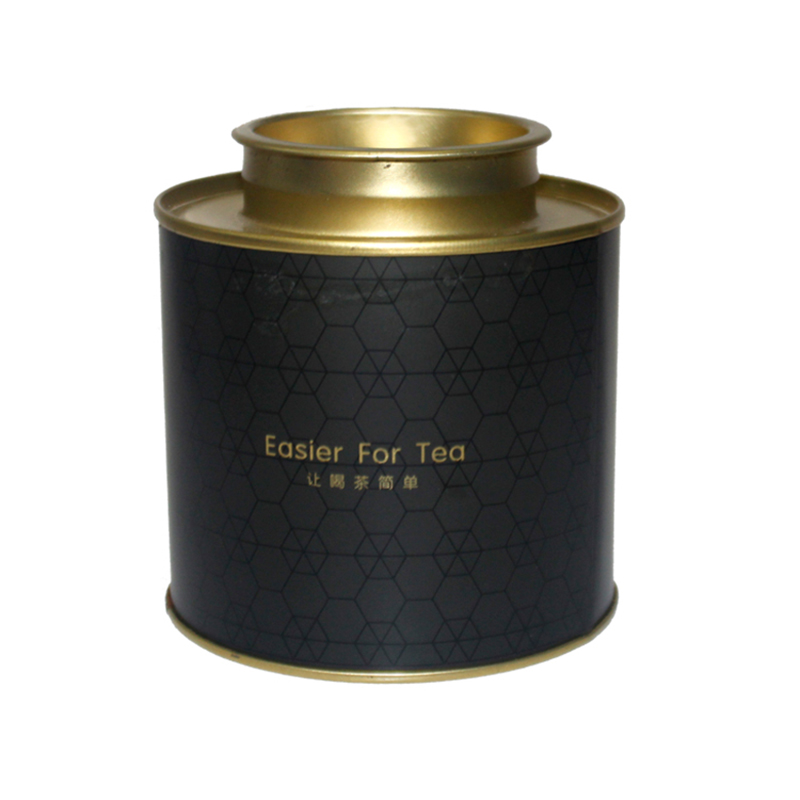
Round boxes are cylindrical or disk-shaped containers crafted from materials like tinplate steel, wood, or plastic. Renowned for their ergonomic design and aesthetic appeal, they are widely used for packaging candies, cosmetics, tea, and luxury goods. Their seamless shape eliminates sharp edges, making them ideal for safe handling, while their airtight seals preserve freshness—much like their cousins tea cans and holiday tins.
A Historical Perspective: Tin, Iron, and the Rise of Circular Containers
Early Innovations in Metalwork
The story of round containers traces back to 1810, when Peter Durand patented the tin can using tinned iron (iron coated with tin). Though early cans were rectangular for practicality, the Industrial Revolution saw tinplate steel adapted into round forms for biscuits, tea, and tobacco. Circular designs minimized material waste and simplified manufacturing, a principle still valued today.
Victorian-Era Craftsmanship
By the late 1800s, brands like Huntley & Palmers popularized round biscuit tins adorned with intricate lithography. These tins doubled as decorative household items, stored sewing supplies, or held keepsakes—mirroring the multi-purpose use of today’s custom watch boxes.
Wartime Practicality to Modern Elegance
During WWII, iron tin containers were repurposed for ration storage. Post-war, round tins evolved into symbols of mid-century modern design, favored for chocolates, cosmetics, and luxury goods.
Please refer to another article Tea Cans: Preserving Tradition in Every Leaf.
Modern Applications of Round Boxes
Functional Versatility
-
Food Preservation: Airtight round tins store tea, cookies, and spices, leveraging tinplate steel’s barrier properties against light and moisture.
-
Luxury Packaging: High-end brands use round boxes for perfumes, watches, and jewelry, echoing the sophistication of custom watch boxes.
-
Eco-Friendly Solutions: Reusable round tins reduce single-use plastic waste, aligning with trends seen in metal snack boxes.
Aesthetic and Ergonomic Advantages
-
Space Efficiency: Round shapes stack easily and fit snugly in bags or shelves.
-
Visual Appeal: Curved designs lend a classic, tactile charm, ideal for gift-giving or retail displays.
Pros and Cons of Modern Tinplate Round Boxes
Advantages
-
Durability: Resistant to dents and corrosion, perfect for shipping and long-term storage.
-
Sustainability: Tinplate steel is 100% recyclable, supporting circular economy goals.
-
Customization: Seamless surfaces allow full-wrap prints, embossing, or vintage-inspired designs.
Challenges
-
Production Cost: Complex shaping and printing raise expenses compared to square alternatives.
-
Weight: Heavier than plastic, increasing transport emissions.
-
Recycling Complexity: Mixed materials (e.g., plastic liners) require disassembly.
Expert Insights on Design and Sustainability
Dr. Emily Carter (referenced in our tea cans article) notes:
“Round tinplate boxes marry form and function. Their shape minimizes material stress during manufacturing, while recyclability ensures they outlive single-use packaging. However, brands must simplify material blends to boost recycling rates.”
Sophie Lambert, packaging designer, adds:
“The round shape evokes nostalgia—think vintage biscuit tins—while feeling modern. It’s a versatile canvas for storytelling, much like holiday tins that blend tradition with contemporary aesthetics.”
FAQs About Round Boxes
1. Are round boxes recyclable?
Yes! Tinplate steel is endlessly recyclable. Remove non-metal parts (e.g., liners) first.
2. Can round boxes be used for liquids?
Only if lined with waterproof coatings. Most are designed for dry storage.
3. How do round tins compare to square ones?
Round tins lack sharp edges, making them safer and easier to handle, but may occupy more shelf space.
4. Are antique round tins food-safe?
Avoid using vintage tins for food—older coatings may contain lead. Repurpose them for décor instead.
Conclusion
From Victorian biscuit containers to modern eco-friendly packaging, round boxes have rolled through history as symbols of practicality and charm. Like tea cans and custom watch boxes, they prove that timeless design transcends trends, blending utility with artistry in every curve.
Gift Boxes: Timeless Elegance and Sustainable Packaging
Custom Watch Boxes: Where Heritage Meets Modern Luxury
Related Article