The Evolution and Significance of Tincans
The Evolution and Significance of Tin cans
Introduction to Tin cans
Tin cans, a term that might seem simple at first glance, holds a rich history and a variety of uses that have evolved over time. Traditionally, tincans refer to containers made from tinplate, a thin steel sheet coated with tin. These cans have been instrumental in the preservation and transportation of food and other goods, playing a crucial role in the development of modern industry and commerce.
Historical Background
Early Uses of Tin cans
The concept of tincans dates back to the early 19th century. The first patent for a tin can was issued in 1810 to Peter Durand, a British merchant. Initially, these cans were used primarily for preserving food, especially for military purposes. The durability and airtight nature of tincans made them ideal for long-term storage, which was essential for armies and navies operating far from home.
Industrial Revolution and Mass Production
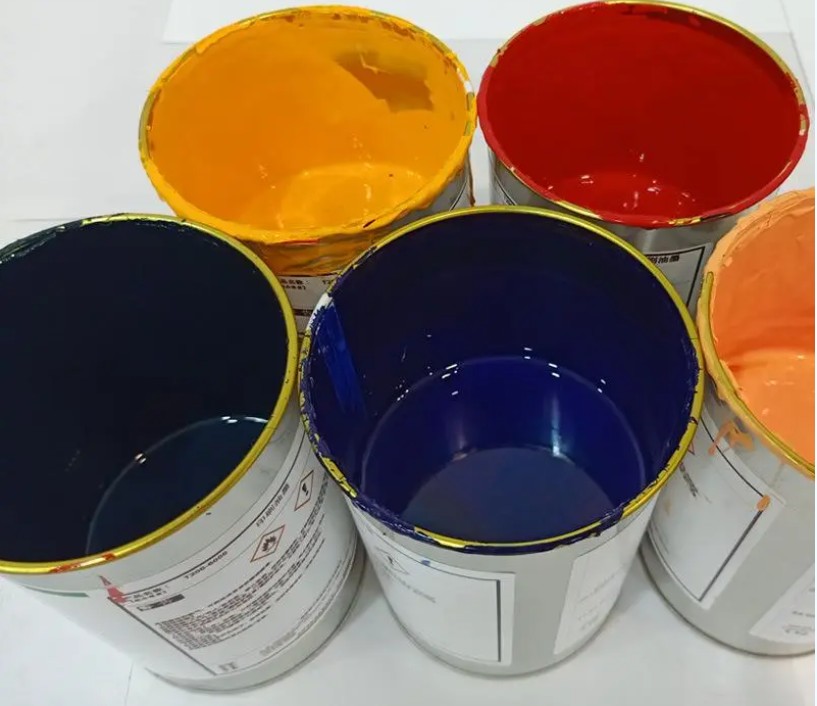
The Industrial Revolution brought significant advancements in the production of tin cans. With the introduction of automated machinery, the process of making tincans became faster and more efficient. This led to a dramatic increase in their use, not just for food preservation but also for packaging a wide range of products, from paints to chemicals.
Modern Applications
Food Industry
In the modern era, tin cans continue to be a staple in the food industry. They are used to package everything from canned vegetables and fruits to ready-to-eat meals. The convenience and longevity of tincans make them a preferred choice for both manufacturers and consumers.
Beyond Food: Other Uses
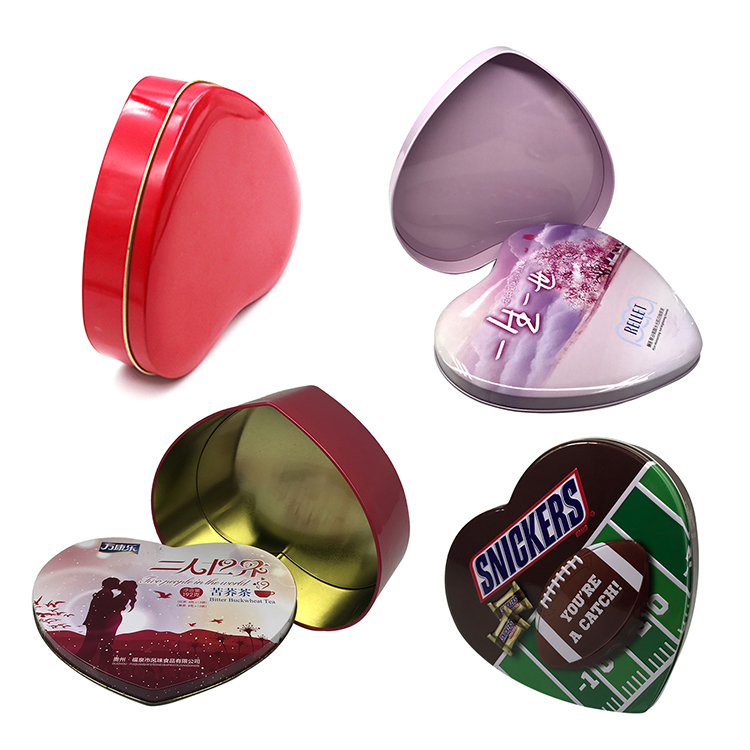
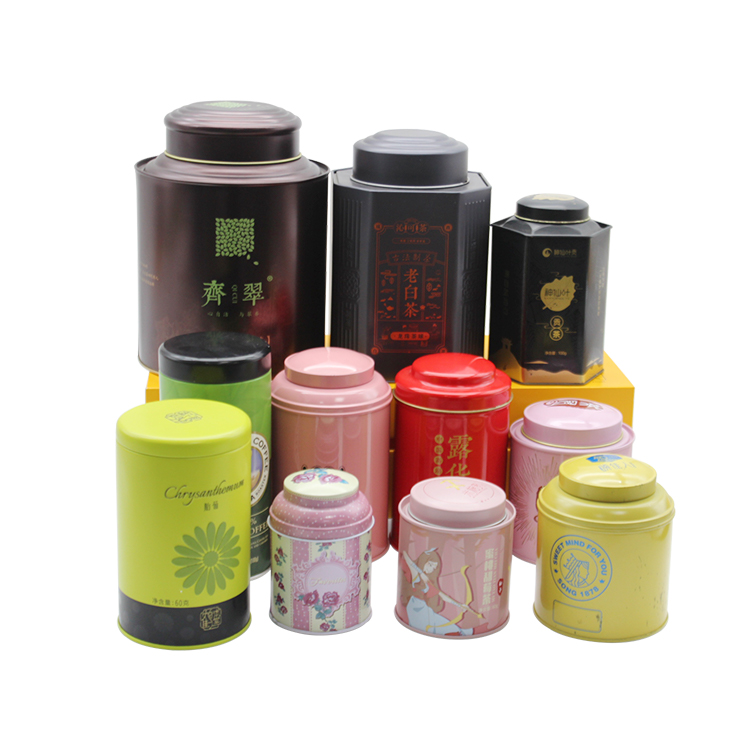
Tin cans have also found applications beyond the food industry. They are used in the packaging of pharmaceuticals, cosmetics, and even electronic components. The versatility of tincans is a testament to their enduring relevance in various sectors.
Environmental Impact and Recycling
Challenges of Tin cans
Despite their utility, tin cans pose environmental challenges. The production of tinplate involves significant energy consumption and the use of non-renewable resources. Additionally, the disposal of tin cans can contribute to environmental pollution if not managed properly.
Recycling Efforts
To mitigate these challenges, extensive recycling programs have been established. Tincans are highly recyclable, and the process of recycling them saves energy and reduces the need for raw materials. Many countries have implemented systems to collect and recycle tin cans, turning them into new products and reducing their environmental footprint.
Cultural Significance
Tin cans in Popular Culture
Tin cans have also made their mark in popular culture. They are often used as symbols of simplicity and resourcefulness. In literature and film, tin cans are sometimes depicted as essential items for survival, highlighting their importance in everyday life.
Art and Craft
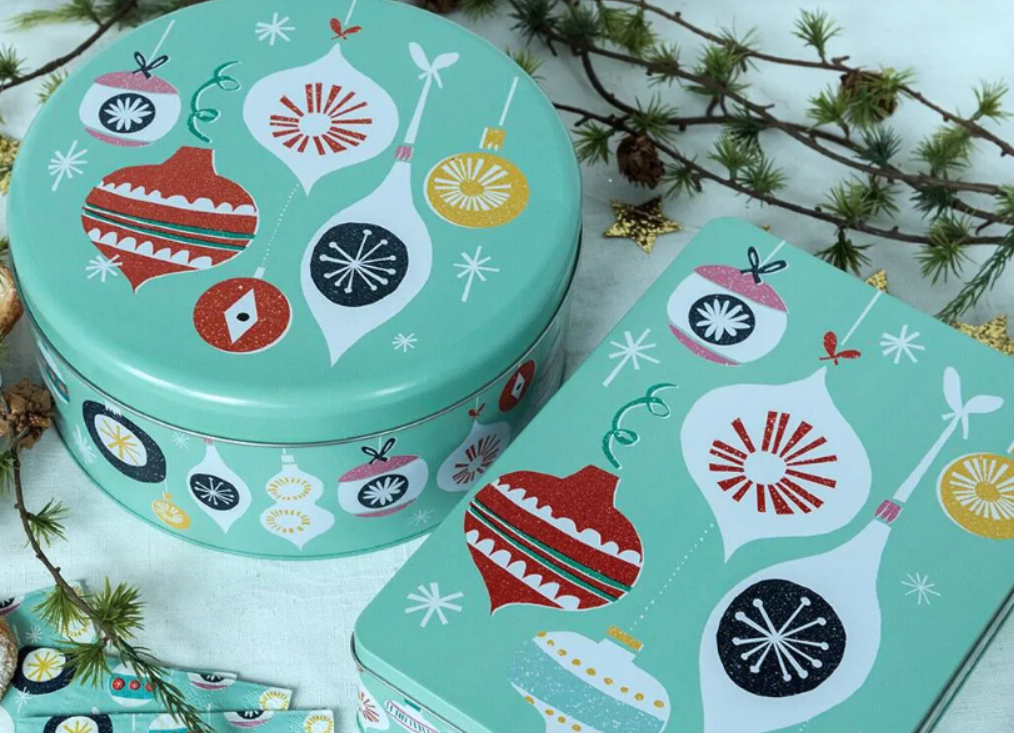
In the realm of art and craft, tin cans have been repurposed into various creative projects. From planters to lanterns, the humble tincan has been transformed into decorative and functional items, showcasing the ingenuity of individuals in reusing materials.
Conclusion
Tin cans, though seemingly mundane, have a profound impact on various aspects of society. From their historical roots in food preservation to their modern applications in diverse industries, tin cans have proven to be indispensable. As we continue to address the environmental challenges associated with their use, the recycling and repurposing of tincans offer promising solutions. Their cultural significance further underscores the enduring legacy of this simple yet versatile container.
In conclusion, tin cans are more than just containers; they are a testament to human innovation and adaptability. As we move forward, the story of tin cans will undoubtedly continue to evolve, reflecting the changing needs and values of our society.
The Art of Tea Storage: Exploring the Versatility of Tea Tins
The Fascinating World of Tinbox: A Comprehensive Exploration
Related Article