The Fascinating World of Tinbox: A Comprehensive Exploration

The Fascinating World of Tinbox: A Comprehensive Exploration
Introduction to Tinbox
The term "tinbox" might seem simple at first glance, but it carries with it a rich history and a variety of uses that have evolved over time. A tinbox, as the name suggests, is a container made primarily of tin or tinplate, a thin steel sheet coated with tin. This combination of materials provides durability, resistance to corrosion, and a lightweight structure, making tinboxes highly versatile and practical for numerous applications.
Historical Significance of Tinboxes
Early Uses and Development
Tinboxes have been around for centuries, with their origins tracing back to the early days of metalworking. The process of coating iron or steel with tin to prevent rust was discovered in the Middle Ages, and by the 18th century, tinplate production had become more refined. This led to the widespread use of tinboxes for storing food, spices, and other perishable goods. The airtight nature of these containers made them ideal for preserving the freshness of their contents, which was particularly important before the advent of modern refrigeration.
Tinboxes in the Industrial Revolution
The Industrial Revolution marked a significant turning point in the production and use of tinboxes. With the advent of mass production techniques, tinboxes became more affordable and accessible to the general public. They were used not only for storage but also as packaging for a variety of products, including tobacco, tea, and biscuits. The decorative potential of tinboxes was also realized during this period, with manufacturers often embellishing them with intricate designs and colorful lithographs to attract consumers.
Modern Applications of Tinboxes
Collectible Tinboxes
In the modern era, tinboxes have transcended their utilitarian origins to become highly sought-after collectibles. Vintage tinboxes, especially those from the late 19th and early 20th centuries, are prized for their historical value and artistic designs. Collectors often seek out tinboxes that feature advertisements, brand logos, or commemorative themes, as these items offer a glimpse into the cultural and commercial landscape of the past. The nostalgia associated with tinboxes has also contributed to their popularity among collectors, who appreciate the craftsmanship and attention to detail that went into their production.
Tinboxes in Contemporary Packaging
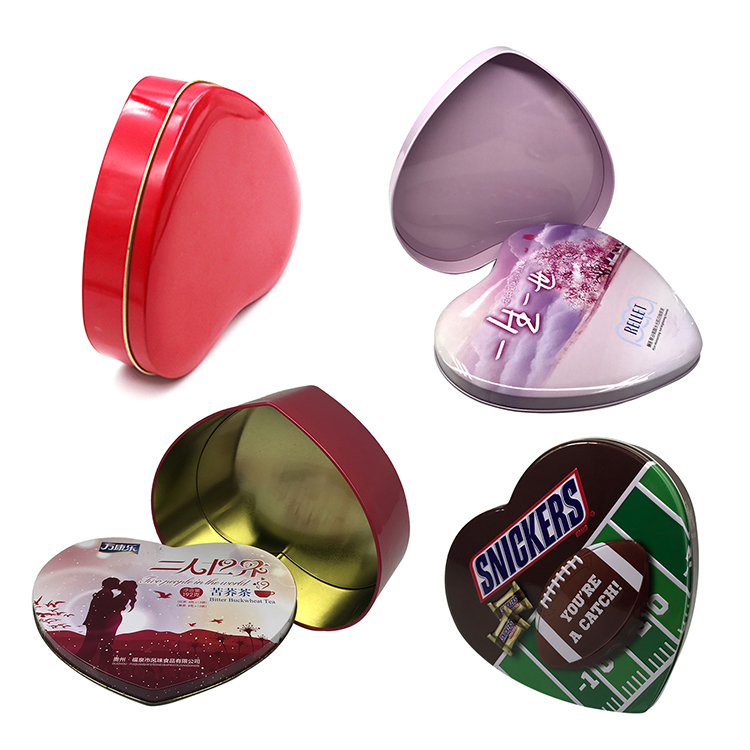
Despite the rise of plastic and other modern materials, tinboxes continue to be used in packaging today. Their durability and aesthetic appeal make them a popular choice for luxury goods, such as high-end teas, chocolates, and cosmetics. Tinboxes are also favored for their eco-friendliness, as they are recyclable and can be repurposed for various uses after their initial contents have been consumed. This sustainability aspect has made tinboxes a preferred option for brands looking to align themselves with environmentally conscious consumers.
The Art and Craft of Tinbox Making
Manufacturing Process
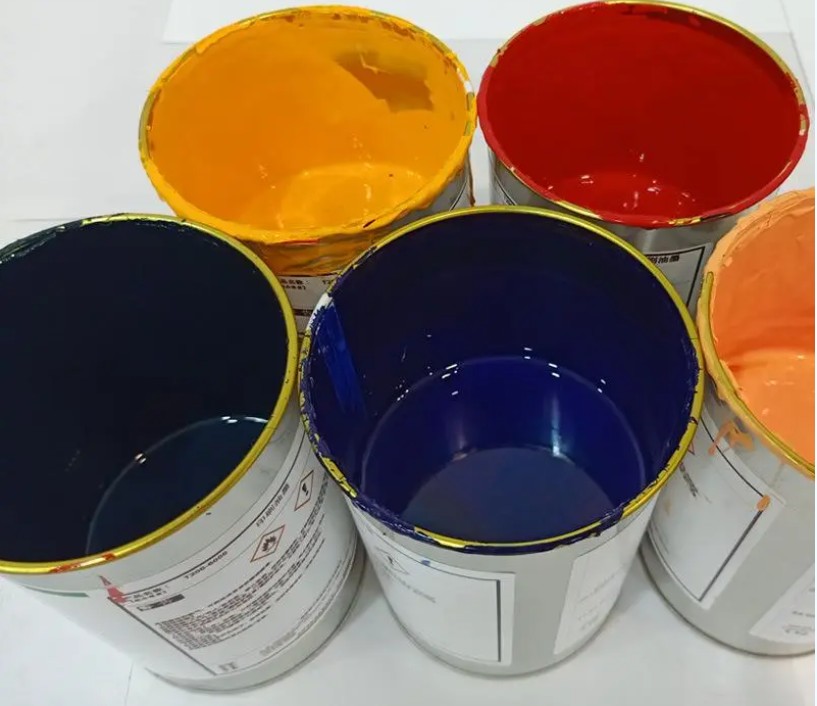
The production of tinboxes involves several intricate steps, each requiring precision and expertise. The process begins with the creation of tinplate, which is then cut and shaped into the desired form using specialized machinery. The edges of the tinbox are carefully folded and sealed to ensure durability and airtightness. Once the basic structure is complete, the tinbox undergoes a series of finishing processes, including painting, printing, and coating, to enhance its appearance and protect it from corrosion.
Decorative Techniques
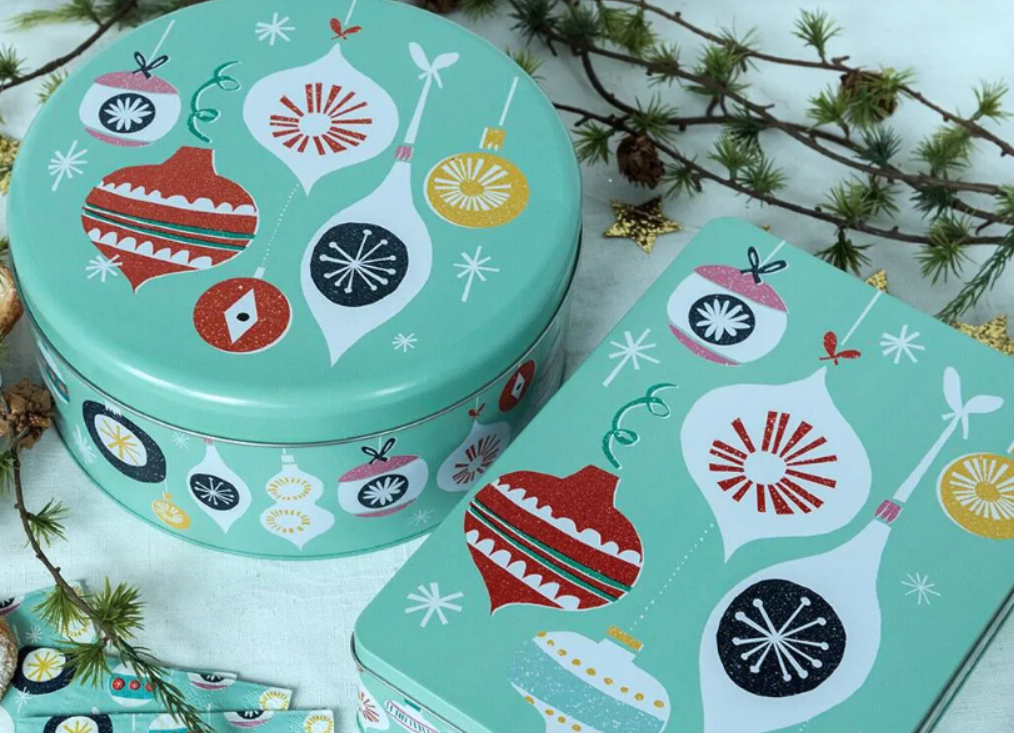
One of the most captivating aspects of tinboxes is their decorative potential. Over the years, various techniques have been developed to adorn tinboxes with intricate designs and vibrant colors. Lithography, for instance, allows for the transfer of detailed images onto the surface of the tinbox, resulting in visually stunning patterns and motifs. Embossing and debossing are other popular techniques that add texture and depth to the design, making the tinbox not just a container but a work of art.
Tinboxes in Popular Culture
Tinboxes in Literature and Film
Tinboxes have made their way into popular culture, often symbolizing nostalgia, mystery, or treasure. In literature and film, tinboxes are frequently used as plot devices, containing important documents, heirlooms, or secrets that drive the narrative forward. Their association with the past and their tactile, tangible nature make them powerful symbols that resonate with audiences on an emotional level.
Tinboxes as Cultural Artifacts
Beyond their functional and aesthetic value, tinboxes serve as cultural artifacts that reflect the social and economic conditions of their time. The designs and themes featured on tinboxes often mirror the prevailing trends, values, and aspirations of the era in which they were produced. As such, tinboxes offer valuable insights into the history of design, advertising, and consumer culture, making them important objects of study for historians and cultural scholars.
Conclusion: The Enduring Appeal of Tinboxes
In conclusion, the humble tinbox is far more than just a container. Its rich history, versatility, and aesthetic appeal have ensured its enduring popularity across centuries. From its early use in food preservation to its modern role in luxury packaging and collectibles, the tinbox has continually adapted to meet the changing needs and tastes of society. Whether as a practical storage solution, a decorative art piece, or a cultural artifact, the tinbox remains a fascinating and multifaceted object that continues to captivate and inspire.
The Evolution and Significance of Tincans
Christmas Tree Candy Tin Now Available!
Related Article