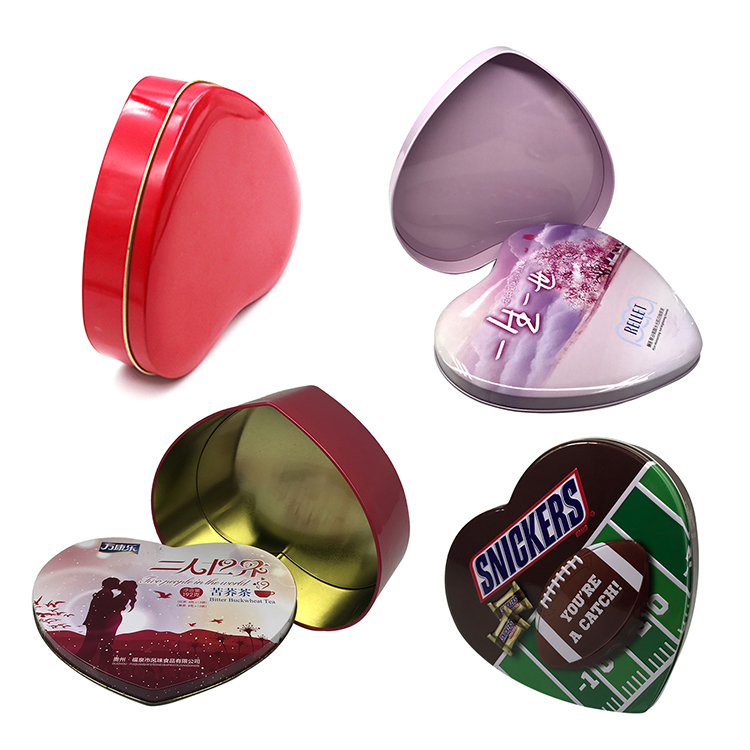
The Intricate Craftsmanship of Tin Iron Packaging
2024-06-26


Tin iron packaging has become an increasingly popular choice for businesses seeking durable and eco-friendly packaging solutions. However, what sets tin iron packaging apart from other materials is the intricate craftsmanship required to produce it.
vintage tin tray
The manufacturing process for tin iron packaging involves numerous steps, each requiring precision and care. A sheet of tinplate is first coated with a layer of lacquer to provide a smooth and even surface for printing. Then, the sheet is cut into the desired shape and size. The edges are then curled, and the tinplate is formed into the final package shape using specialized equipment. The printing process often involves intricate designs, logos, and branding. The design is printed onto the lacquer using high-quality ink and lithographic techniques, and the can is then heated to ensure an even and permanent finish. This process requires expert skill and experience to avoid imperfections or misaligned designs.
vintage coffee can
Tin iron packaging craftsmanship also involves the careful application of lids, hinges, and closures. These closures must fit securely to ensure the package's contents remain airtight and safe from external contamination. The process of attaching a hinge or clasp requires precision, and any errors in this process can render the packaging unusable. The duration of producing tin iron packaging requires patience and attention to detail. From the corner to the curl, the package must be correctly assembled and decorated to ensure quality control. A team of skilled craftsmen is necessary to ensure that every step of the manufacturing process is executed correctly.
The manufacturing process for tin iron packaging involves numerous steps, each requiring precision and care. A sheet of tinplate is first coated with a layer of lacquer to provide a smooth and even surface for printing. Then, the sheet is cut into the desired shape and size. The edges are then curled, and the tinplate is formed into the final package shape using specialized equipment. The printing process often involves intricate designs, logos, and branding. The design is printed onto the lacquer using high-quality ink and lithographic techniques, and the can is then heated to ensure an even and permanent finish. This process requires expert skill and experience to avoid imperfections or misaligned designs.
vintage coffee can
Tin iron packaging craftsmanship also involves the careful application of lids, hinges, and closures. These closures must fit securely to ensure the package's contents remain airtight and safe from external contamination. The process of attaching a hinge or clasp requires precision, and any errors in this process can render the packaging unusable. The duration of producing tin iron packaging requires patience and attention to detail. From the corner to the curl, the package must be correctly assembled and decorated to ensure quality control. A team of skilled craftsmen is necessary to ensure that every step of the manufacturing process is executed correctly.
In conclusion, tin iron packaging is a product that requires a great deal of craftsmanship and skill to produce. The manufacturing process is intricate and complex, with each step requiring precision and attention to detail. From the cutting and forming of the tinplate to the printing, assembling, and sealing of the package, each step requires the expert hand of a skilled craftsman. The result is a sturdy, functional, and aesthetically pleasing packaging option that can protect and showcase products for years.
Prevent children from opening and touching dangerous goods
Printing on Tin Iron Packaging: A Trendy Way to Enhance Your Brand
Related Article
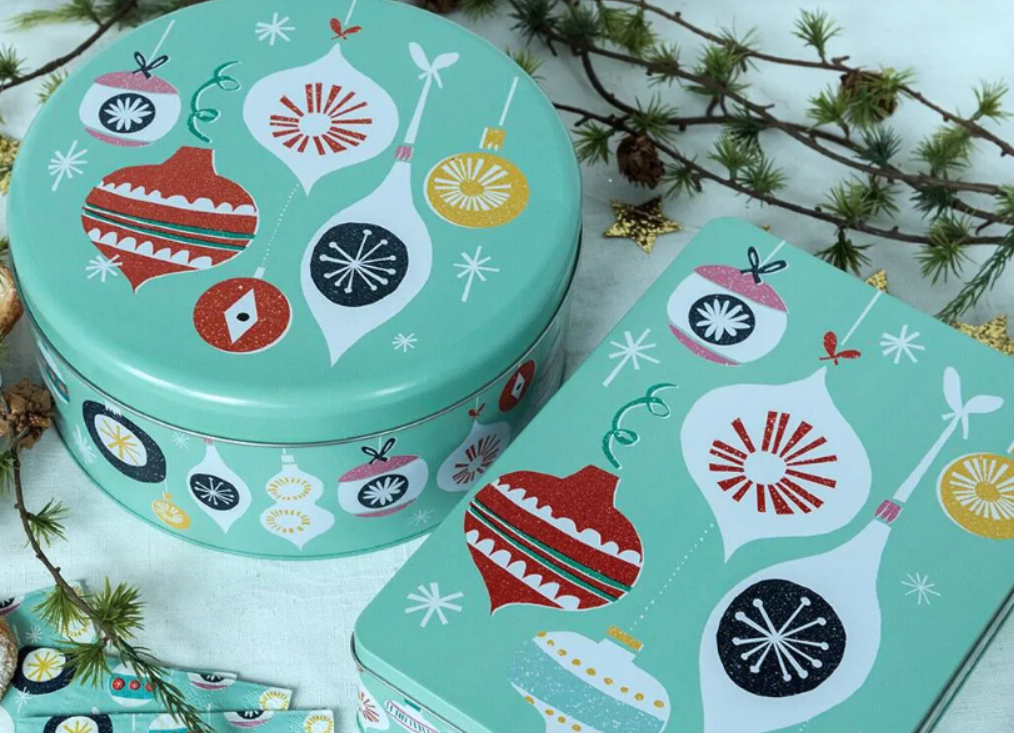
Driven by booming consumer upgrading trends and global low-carbon and environmental policies, the packaging industry has evolved far beyond simple product containment and protection. As a high-end mainstream packaging solution, metal tin cans are embracing comprehensive disruptive upgrades and defining new development trajectories amid fierce market competition in 2026.
Metal Can Industry Trends 2026: From Functional Packaging to Value Empowerment, Reshaping Competitive Logic
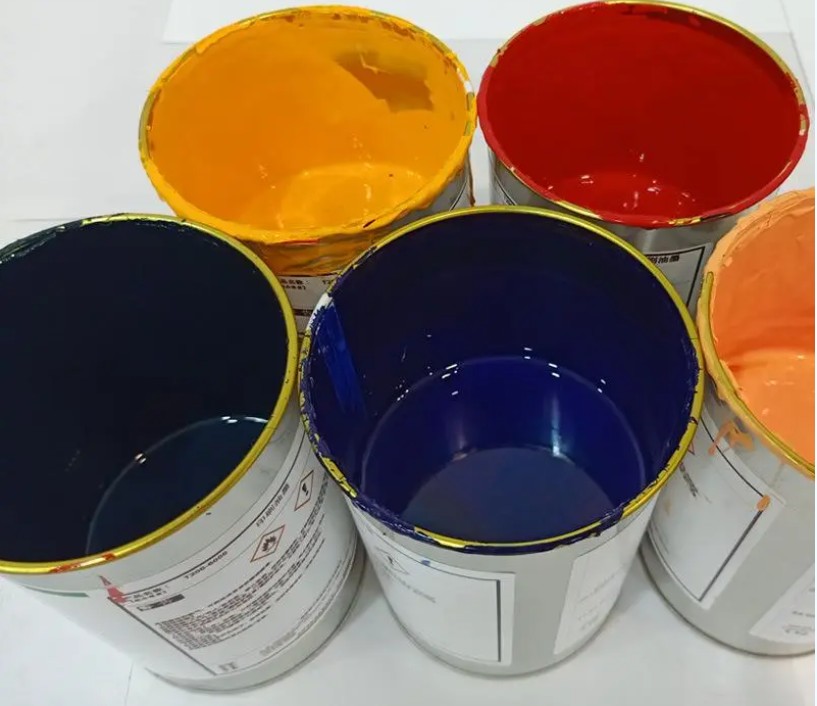
As the “invisible guardian” of metal packaging, coatings for printed metal & tinplate are undergoing an unprecedented industrial transformation driven by tightening environmental regulations and rising consumer demands. Every development in this sector now shapes the trajectory of the global metal packaging and can-making industry.
Coatings for Metal Packaging: Green Compliance & Smart Innovation Reshape the Global Can Industry