Metal Food Storage Bins: Why Tin Cans Remain a Top Choice in 2025
author: jeremy
2025-11-17
Metal Food Storage Bins: Why Tin Cans Remain a Top Choice in 2025
Table of Contents
-
Introduction to Metal Food Storage Bins
-
Key Advantages of Tin-Plated Steel Food Storage Bins
-
Latest News: Tin & Steel Cans in 2024-2025
-
Pros & Cons of Modern Tin-Plated Food Bins
-
Expert Insights on Metal Food Storage
-
Frequently Asked Questions (FAQs)
-
Conclusion
Introduction to Metal Food Storage Bins
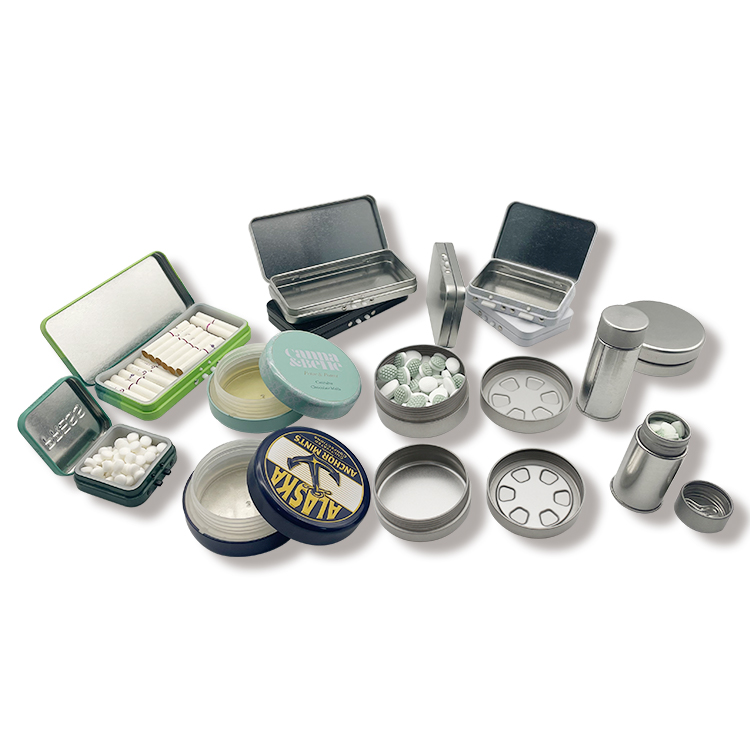
When it comes to preserving food freshness, ensuring safety, and aligning with sustainable living goals, metal food storage bins—particularly those made of tin-plated steel (often referred to as tin cans or tinplate box)—have stood the test of time. From pantry staples like grains and legumes to premium snacks and even pet food, these containers have evolved to meet modern consumers’ demands. In this blog, we’ll explore why tin-plated steel remains a preferred material, dive into recent industry developments, weigh its pros and cons, and share expert perspectives to help you make informed choices.
Key Advantages of Tin-Plated Steel Food Storage Bins
Tin-plated steel food storage bins are not just nostalgic; they offer a unique combination of benefits that plastic, glass, and other materials struggle to match. Below are their most notable strengths:
1. Exceptional Durability & Longevity
Unlike fragile glass or easily dented plastic, tin-plated steel is highly resistant to impact, crushing, and wear. These bins can withstand the rigors of pantry organization, moving, and even outdoor use (for dry goods). A well-made tin food bin can last for decades, reducing the need for frequent replacements and minimizing waste.
2. Superior Food Safety
Tin-plated steel is food-grade certified and non-reactive, meaning it won’t leach harmful chemicals (like BPA or phthalates) into your food—even when exposed to heat or acidic ingredients. The tin coating acts as a barrier between the steel and the food, preventing corrosion and maintaining product purity. This makes it ideal for storing everything from flour and sugar to canned fruits and vegetables.
3. Excellent Sealing & Freshness Retention
Most modern tin food storage bins come with airtight lids, which create a barrier against moisture, oxygen, and pests. This sealing capability is crucial for preserving the flavor, texture, and nutritional value of dry foods. Studies show that foods stored in airtight tin bins stay fresh up to 3x longer than those in paper bags or loosely sealed containers.
4. Sustainable & Recyclable
One of the biggest selling points of tin-plated steel is its high recyclability. Steel is the most recycled material on the planet, with a recycling rate of over 90% in many countries. Unlike plastic, which degrades over time and often ends up in landfills, steel can be recycled infinitely without losing quality. Additionally, many tin bins are made from recycled steel, further reducing their carbon footprint.
5. Versatile Design & Aesthetics
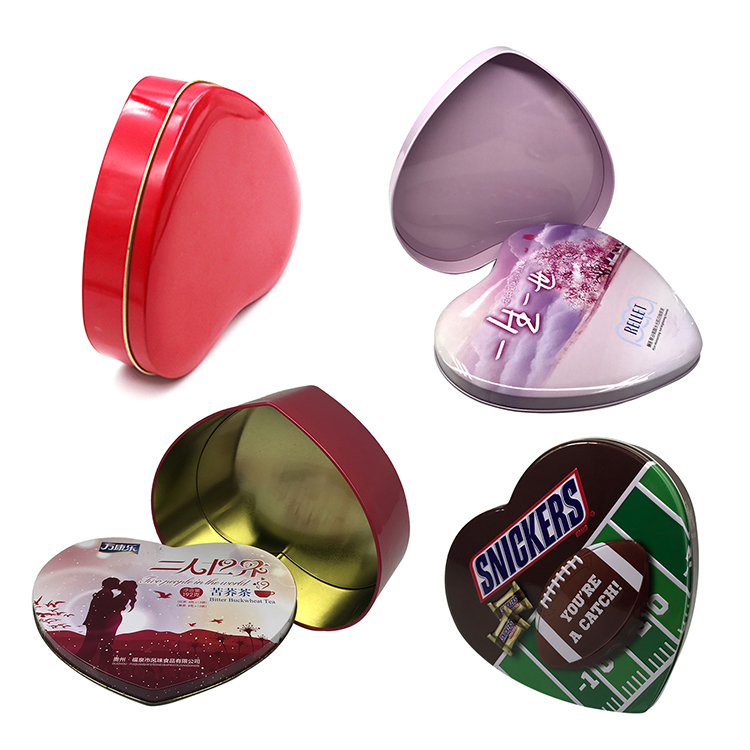
Tin food storage bins are available in a wide range of sizes, shapes, and designs—from sleek minimalist styles to colorful, decorative options. They fit seamlessly into any kitchen or pantry decor, and many are stackable, maximizing storage space. Some even feature transparent windows or labeled compartments for easy organization.
Latest News: Tin & Steel Cans in 2024-2025
The tin and steel can industry is constantly evolving, with recent developments focusing on sustainability, innovation, and consumer safety. Here are the top headlines shaping the market:
Global Initiative Boosts Recycled Tin Can Usage
October 2024 – Food Packaging Forum
A coalition of major food brands (including Nestlé and Unilever) and packaging manufacturers launched the “Steel for Sustainability” campaign in October 2024. The initiative aims to increase the use of recycled steel in tin food cans to 80% by 2027—up from the current 65%. Early data shows that participating brands have already reduced their carbon emissions by 12% per can, thanks to the lower energy requirements of recycling steel versus producing it from raw materials.
New Tin Coating Technology Enhances Shelf Life
January 2025 – Packaging World
A team of researchers at the University of Sheffield developed a new nanocomposite tin coating that extends the shelf life of canned foods by up to 50%. The coating is thinner than traditional tin layers but offers better corrosion resistance, especially for acidic foods like tomatoes and citrus. The technology is expected to be adopted by major can manufacturers by the end of 2025, reducing food waste and lowering production costs.
China’s马口铁 (Tin-Plated Steel) Exports Surge Amid Demand for Sustainable Packaging
December 2024 – China Daily
China, one of the world’s largest producers of tin-plated steel, reported a 23% increase in exports of tin food storage bins in 2024. The surge is attributed to growing global demand for sustainable packaging alternatives to plastic. European and North American markets were the top importers, with many retailers specifying tin cans for their private-label food products.


Pros & Cons of Modern Tin-Plated Food Bins
While tin-plated steel offers numerous benefits, it’s important to consider its limitations to make the best choice for your needs. Below is a balanced comparison:
Pros
-
Non-toxic & food-safe: No chemical leaching, making it safe for all food types.
-
Durable: Resists impact, rust (with proper care), and wear.
-
Highly recyclable: Infinitely recyclable with minimal energy loss.
-
Airtight: Preserves food freshness and prevents pest infestations.
-
Versatile: Available in multiple sizes and designs for various uses.
Cons
-
Heavier than plastic: Less ideal for portable storage (e.g., picnic baskets).
-
Prone to rust if damaged: If the tin coating is scratched or dented, the underlying steel may rust over time (especially in humid environments).
-
Higher upfront cost: Tin bins are often more expensive than plastic containers, though their longevity offsets this over time.
-
Not microwave-safe: Steel cannot be used in microwaves, requiring food to be transferred to another container for heating.
Expert Insights on Metal Food Storage
We spoke with two industry experts to get their take on the role of tin-plated steel in modern food storage:
Dr. Emma Carter – Food Safety Specialist, International Food Packaging Association
“Tin-plated steel has been a cornerstone of food safety for over a century, and recent innovations are only making it better. The new nanocomposite coatings we’re seeing address the last remaining concern—corrosion for acidic foods—while maintaining the material’s non-toxic profile. For consumers worried about chemical exposure, tin cans are far more reliable than many plastic alternatives, especially those labeled ‘BPA-free’ (which may still contain other harmful additives).”
Mark Johnson – Sustainability Director, Packaging Europe
“When it comes to circular economy, steel is unbeatable. Unlike plastic, which often ends up in incinerators or landfills even when recycled, steel can be reused indefinitely. The ‘Steel for Sustainability’ campaign is a game-changer because it unites brands around a common goal—reducing emissions while meeting consumer demand for eco-friendly packaging. I expect to see tin food storage bins become even more popular as consumers become more aware of their environmental impact.”
Frequently Asked Questions (FAQs)
Q1: Can tin-plated steel food storage bins be used for wet foods?
A1:
While tin bins are excellent for dry foods, they are not recommended for long-term storage of wet or liquid foods unless they are specifically designed for canned goods (like commercially sealed tin cans). The moisture can seep into small scratches in the tin coating, leading to rust. For short-term use (e.g., storing leftover soup), ensure the bin is thoroughly dried after use.
Q2: How do I clean and maintain my tin food storage bins?
A2:
Clean tin bins with warm, soapy water and a soft cloth—avoid abrasive scrubbers that can scratch the tin coating. Rinse thoroughly and dry immediately to prevent rust. For stubborn stains, use a paste of baking soda and water, then wipe clean. Avoid putting tin bins in the dishwasher, as the high heat and harsh detergents can damage the finish.
Q3: Are tin food storage bins more sustainable than glass?
A3:
Both tin and glass are sustainable options, but tin has a slight edge in terms of carbon footprint. Steel recycling requires 74% less energy than producing new steel, while glass recycling saves about 30% energy. Additionally, tin bins are lighter than glass, reducing transportation emissions. However, glass is microwave-safe and more scratch-resistant, so the choice depends on your priorities.
Q4: Can I recycle tin food storage bins if they’re damaged?
A4:
Yes! Even if a tin bin is dented, scratched, or has rust spots, it can still be recycled. Simply rinse out any food residue and place it in your curbside recycling bin (check with your local recycling program to confirm acceptance). The steel will be melted down and reused to make new products, including more tin cans.
Conclusion
Metal food storage bins—powered by tin-plated steel—continue to be a top choice for consumers and brands alike, thanks to their unbeatable combination of safety, durability, and sustainability. Recent industry innovations, from improved coatings to increased recycled content, are only strengthening their position in the market. While they have some limitations (like weight and microwave incompatibility), their long-term benefits far outweigh these drawbacks.
Whether you’re organizing your pantry, reducing plastic use, or looking for a reliable way to preserve food, tin-plated steel food storage bins are a smart, eco-friendly investment that will serve you for years to come.
Metal Storage Bins: Why Tinplate Cans Are Still a Top Choice in 2025
The Sophisticated World of Cigarette Cases
Related Article
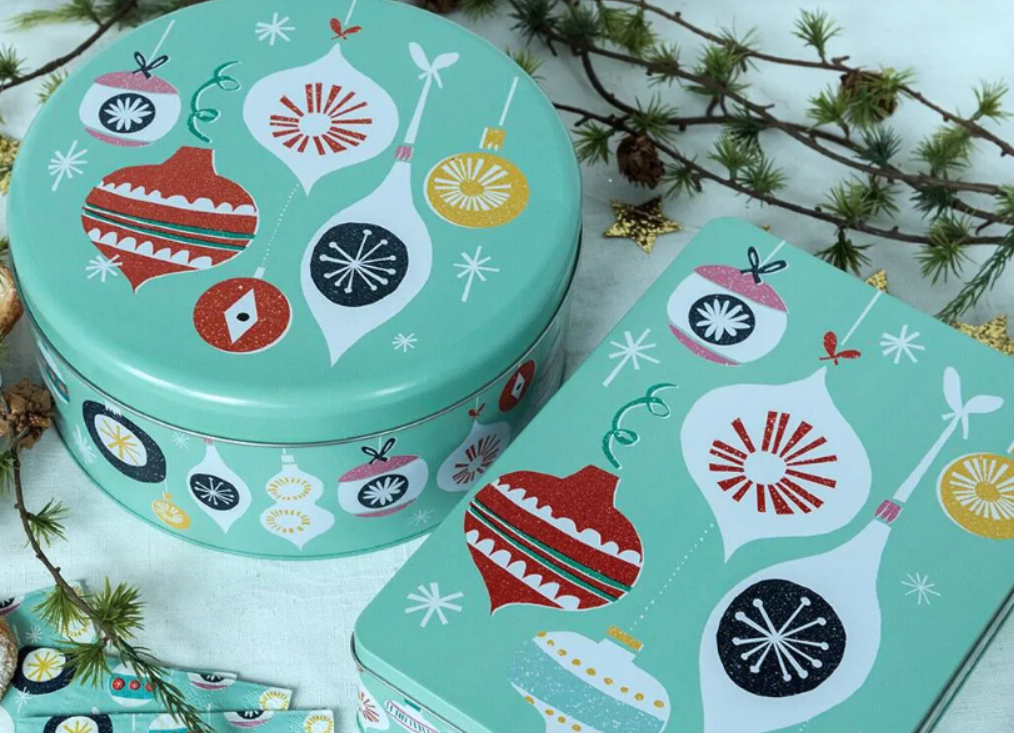
Driven by booming consumer upgrading trends and global low-carbon and environmental policies, the packaging industry has evolved far beyond simple product containment and protection. As a high-end mainstream packaging solution, metal tin cans are embracing comprehensive disruptive upgrades and defining new development trajectories amid fierce market competition in 2026.
Metal Can Industry Trends 2026: From Functional Packaging to Value Empowerment, Reshaping Competitive Logic
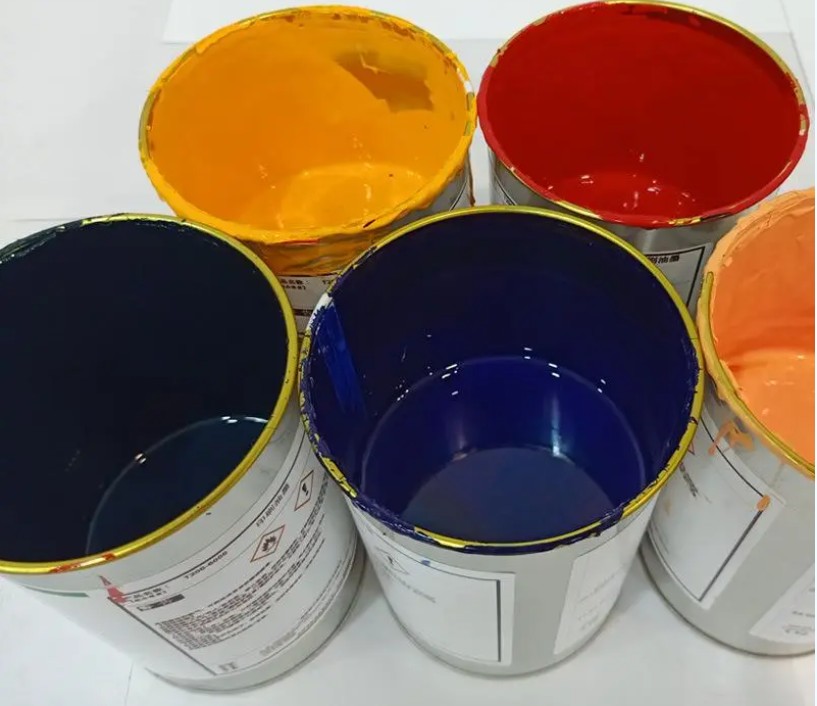
As the “invisible guardian” of metal packaging, coatings for printed metal & tinplate are undergoing an unprecedented industrial transformation driven by tightening environmental regulations and rising consumer demands. Every development in this sector now shapes the trajectory of the global metal packaging and can-making industry.
Coatings for Metal Packaging: Green Compliance & Smart Innovation Reshape the Global Can Industry