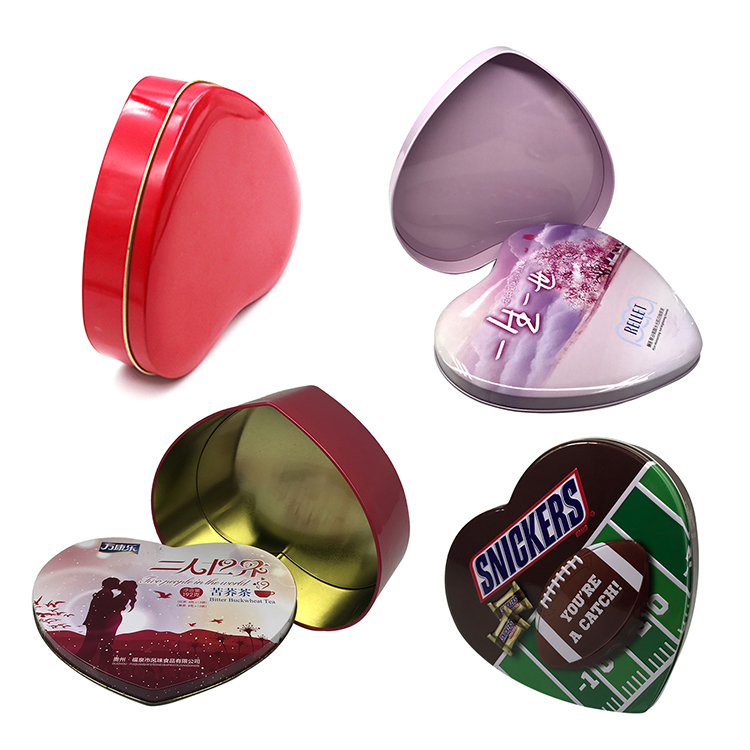
Manufacturing Process of Iron Can Printing
2024-06-11


Iron can printing is a unique process that involves printing on the surface of an iron can to add aesthetic appeal and branding. This process requires a combination of state-of-the-art machinery, expertise, and creativity to successfully produce high-quality prints on metal surfaces.
tin can coin bank
The first step in the manufacturing process of iron can printing is the prepress design. This involves creating the artwork or design that will be printed on the surface of the can. The design is then transferred onto the printing plate used to transfer the image onto the can's surface. The second stage involves pre-treatment of the metal surface. This is done to ensure that the surface is clean and free of dust, dirt, and other contaminants that may interfere with the printing process. A cleaning agent is used to remove any impurities, and the surface is then treated with a primer to help the ink adhere better. The third stage involves the actual printing process. This is done using state-of-the-art printing machinery that is designed to print on metal surfaces. The printing plate, which contains the design, is placed onto the can's surface, and the ink is transferred onto the can using a rotary screen printing method. This process is repeated until the entire design is printed on the can's surface. The fourth stage involves curing the printed design. This is done to ensure that the ink is fully cured and adheres well to the metal surface. The can is placed in a curing oven, which heats the ink to a high temperature to ensure that it is fully cured.
The first step in the manufacturing process of iron can printing is the prepress design. This involves creating the artwork or design that will be printed on the surface of the can. The design is then transferred onto the printing plate used to transfer the image onto the can's surface. The second stage involves pre-treatment of the metal surface. This is done to ensure that the surface is clean and free of dust, dirt, and other contaminants that may interfere with the printing process. A cleaning agent is used to remove any impurities, and the surface is then treated with a primer to help the ink adhere better. The third stage involves the actual printing process. This is done using state-of-the-art printing machinery that is designed to print on metal surfaces. The printing plate, which contains the design, is placed onto the can's surface, and the ink is transferred onto the can using a rotary screen printing method. This process is repeated until the entire design is printed on the can's surface. The fourth stage involves curing the printed design. This is done to ensure that the ink is fully cured and adheres well to the metal surface. The can is placed in a curing oven, which heats the ink to a high temperature to ensure that it is fully cured.
The final stage in the manufacturing process of iron can printing involves inspection and quality control. This involves checking the printed design for any imperfections or errors that may have occurred during the printing process. Any defects are corrected, and the final product is inspected to ensure that it meets the required quality standards.
large metal boxes with hinged lids
In conclusion, the manufacturing process of iron can printing involves a combination of state-of-the-art machinery, expertise, and creativity. This process results in high-quality prints on metal surfaces, adding aesthetic appeal and branding to the product. Through the combination of modern technology and skilled workmanship, this process has become a popular way of printing on metal surfaces for a variety of applications.
large metal boxes with hinged lids
In conclusion, the manufacturing process of iron can printing involves a combination of state-of-the-art machinery, expertise, and creativity. This process results in high-quality prints on metal surfaces, adding aesthetic appeal and branding to the product. Through the combination of modern technology and skilled workmanship, this process has become a popular way of printing on metal surfaces for a variety of applications.
News Report: Tin Cans Make a Comeback
Printing on Tin Iron Boxes: Adding Aesthetic Appeal
Related Article

Driven by booming consumer upgrading trends and global low-carbon and environmental policies, the packaging industry has evolved far beyond simple product containment and protection. As a high-end mainstream packaging solution, metal tin cans are embracing comprehensive disruptive upgrades and defining new development trajectories amid fierce market competition in 2026.
Metal Can Industry Trends 2026: From Functional Packaging to Value Empowerment, Reshaping Competitive Logic
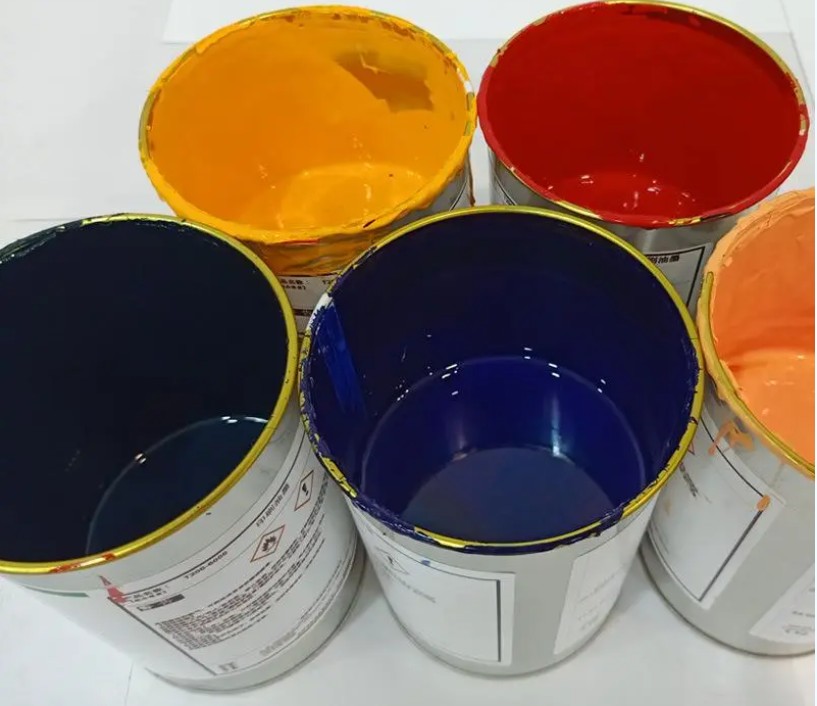
As the “invisible guardian” of metal packaging, coatings for printed metal & tinplate are undergoing an unprecedented industrial transformation driven by tightening environmental regulations and rising consumer demands. Every development in this sector now shapes the trajectory of the global metal packaging and can-making industry.
Coatings for Metal Packaging: Green Compliance & Smart Innovation Reshape the Global Can Industry