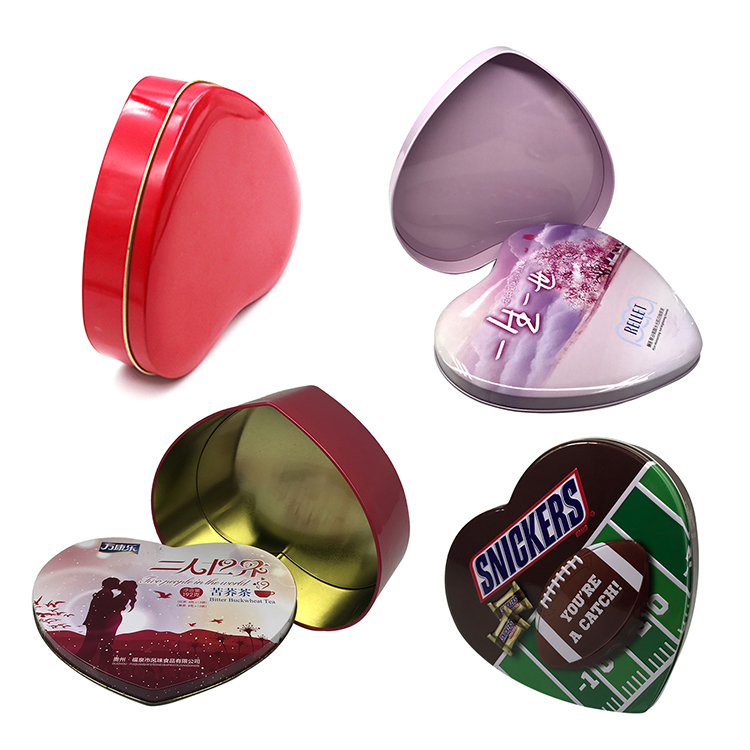

The Sophisticated World of Cigarette Cases
Where History, Craftsmanship, and Functionality Meet
Introduction
Cigarette cases represent a unique blend of practical function and sophisticated style. These elegant accessories have evolved from simple protective containers to status symbols and collector's items. Beyond their obvious purpose, cigarette cases tell a story of craftsmanship, social history, and changing attitudes toward tobacco use.
In this exploration of cigarette cases, we'll journey through their fascinating history, examine why tinplate and other metals remain popular choices, and discover how these objects have transcended their original purpose to become cultural artifacts and fashion statements.
Table of Contents
What Are Cigarette Cases?
Cigarette cases are rigid containers designed to protect cigarettes from damage and maintain their freshness. Beyond their practical function, they serve as:
- Prevent crushing and bending
- Shield from moisture
- Protect from light exposure
- Maintain freshness
- Fashion accessory
- Status symbol
- Personal expression
- Conversation piece
- Organized storage
- Portability
- Dosage control
- Concealment when needed
Key Features
Quality cigarette cases typically feature a hinged design with a secure closure, interior lining to protect cigarettes, and elegant exterior finishes. Most hold between 10-20 cigarettes and are sized to fit comfortably in a pocket or purse.
A History of Metal Cases
The story of cigarette cases is intertwined with the development of metal packaging and changing social habits:
Early 1800s: Rise of Tinplate
Following Peter Durand's 1810 patent, tinplate manufacturing advanced, creating thinner, more workable metal for various containers.
1880s: First Cigarette Cases
As pre-rolled cigarettes gained popularity, manufacturers created simple tinplate cases to protect their products during transport.
1920s: Golden Age of Glamour
During the Art Deco era, cigarette cases became fashion accessories. Luxury materials like sterling silver and gold replaced simple tinplate for the elite.
WWI & WWII: Military Issue
Military-issued tinned iron cases protected soldiers' cigarettes from the elements. Many featured patriotic designs.
1950s: Mass Production
Stainless steel and aluminum cases became affordable for average consumers. Companies like Ronson produced iconic designs.
2000s: Collector's Items
As smoking rates declined, vintage cases became collector's items. Contemporary cases shifted toward luxury gifts and fashion statements.
What is Tinplate?
Tinplate is cold-rolled steel sheet coated with a thin layer of tin. This combination provided ideal properties for early cigarette cases:
- Durability: Protected fragile cigarettes
- Formability: Allowed for intricate designs
- Corrosion Resistance: Prevented rusting
- Cost-effectiveness: Made cases affordable
Modern Materials & Craftsmanship
Today's cigarette cases utilize various materials, each with distinct advantages:
Tinplate & Tinned Iron
Pros: Affordable, decorative potential, vintage appeal
Cons: Can dent, may rust if coating damaged
Use: Budget-friendly options, vintage reproductions
Stainless Steel
Pros: Durable, corrosion-resistant, modern look
Cons: Heavier, less decorative potential
Use: Modern functional cases, minimalist designs
Silver & Gold
Pros: Luxurious, prestigious, excellent craftsmanship
Cons: Expensive, requires maintenance
Use: High-end luxury cases, heirloom pieces
Aluminum
Pros: Lightweight, affordable, corrosion-resistant
Cons: Less durable, can bend easily
Use: Budget modern cases, promotional items
Modern Tinplate Advantages
Advantages
Cost-Effective: More affordable than precious metals
Decorative Potential: Excellent surface for printing and embossing
Vintage Appeal: Authentic historical look and feel
Adequate Protection: Sufficient protection for typical use
Disadvantages
Durability: Less robust than stainless steel
Corrosion Risk: Can rust if inner coating damaged
Weight: Heavier than aluminum alternatives
Prestige: Less luxurious than silver or gold
Expert Perspectives: Cultural Significance
"Cigarette cases are fascinating cultural artifacts that reveal much about 20th-century social history. Beyond their practical function, they served as markers of identity, class, and style. The shift from utilitarian tinplate cases in the early 1900s to exquisite Art Deco designs in precious metals perfectly mirrors changing social attitudes toward smoking and public display."
Dr. Evelyn Reed, Social Historian at Metropolitan University
Building on our previous discussion about tin cans, cigarette cases represent a more personalized application of metal packaging technology:
From Function to Fashion
While food cans prioritized preservation above all else, cigarette cases evolved to balance protection with personal expression. The most exquisite cases became jewelry-like accessories rather than mere containers.
Collectibility Factor
Unlike disposable packaging, quality cigarette cases were designed to last. Today, vintage cases are collected for their:
- Historical significance
- Artistic merit
- Craftsmanship quality
- Connection to specific eras
Practical & Alternative Uses
While primarily designed for cigarettes, these versatile cases have found other applications:
Traditional Uses
Cigarette Protection: Prevent crushing in pockets or bags
Freshness Preservation: Maintain optimal humidity levels
Dosage Control: Limit daily cigarette consumption
Discreet Carrying: Conceal cigarettes when desired
Modern Alternative Uses
Business Card Holder: Stylish alternative to plastic holders
Memory Keeper: Store photos, notes, or small mementos
Tech Accessory: Hold USB drives, SIM cards, or earbuds
Emergency Kit: Store bandaids, pills, or sewing supplies
Collectible Display: Showcase vintage cases as decor
Creative Repurposing
Artists and crafters have transformed vintage cigarette cases into:
- Miniature shadow boxes
- Compact mirrors
- Pocket altars
- Folding picture frames
- Travel pill containers
Frequently Asked Questions
Are vintage cigarette cases safe to use?
Most vintage cases are safe for use after thorough cleaning. However, cases made before 1970 may contain lead-based paint or solder. If uncertain, use for display rather than storage.
Do cigarette cases really keep cigarettes fresh?
Quality cases with tight seals significantly extend freshness compared to paper packs. They protect against humidity fluctuations and air exposure, the main causes of staleness.
How do I clean a tarnished metal cigarette case?
For silver cases: Use a silver polish cloth. For tinplate: Clean with mild soap and water, then dry thoroughly. Avoid abrasive cleaners that could damage finishes.
Are cigarette cases still practical today?
While less common, they offer advantages: protecting cigarettes in bags, controlling consumption, and maintaining freshness longer than paper packs. Many users also appreciate the ritual aspect.
What should I look for in a quality cigarette case?
Seek sturdy construction, smooth hinge action, secure closure, and a soft interior lining. Consider size (standard holds 20 cigarettes) and material based on your budget and style preferences.
Metal Food Storage Bins: Why Tin Cans Remain a Top Choice in 2025
Tea, Coffee & Sugar Canisters Timeless Storage Solutions with Centuries of History
Related Article