About the versatility of food cans


Canned food continues to be a popular choice for consumers around the world, thanks to its convenience, long shelf-life, and versatility. However, recent developments in materials and packaging have led to new advancements in canned food production, resulting in healthier and more sustainable options for consumers.
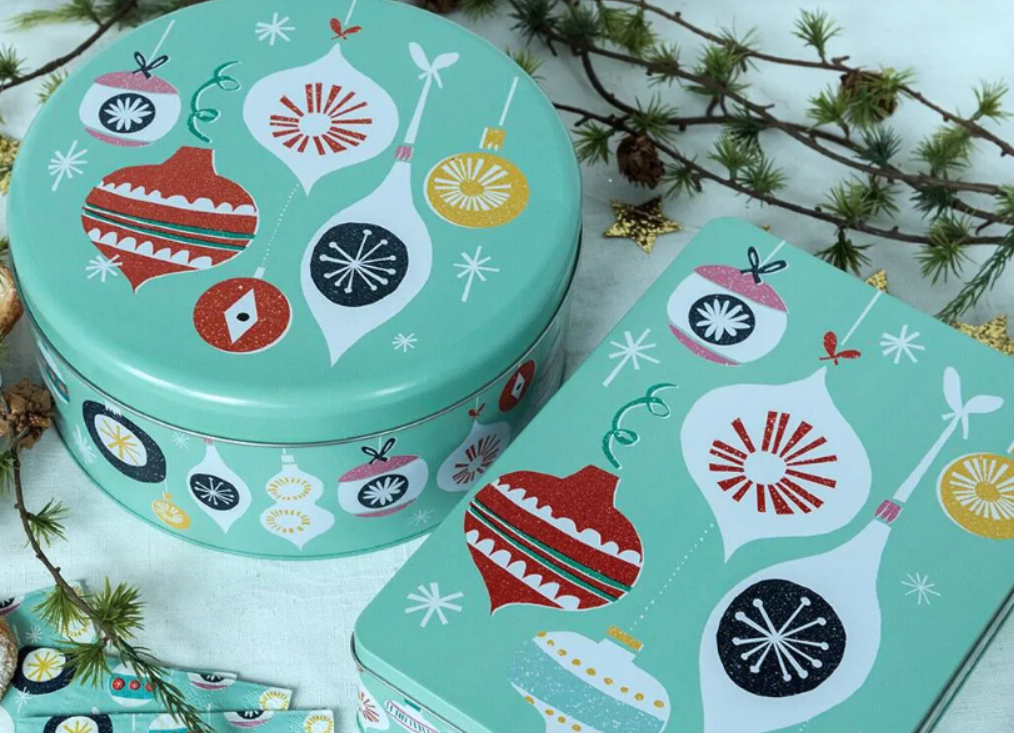
decorative metal box
One major development in canned food packaging is the shift toward BPA-free cans. BPA, or bisphenol A, is a chemical often used in the linings of metal food cans. While the U.S. Food and Drug Administration (FDA) has stated that the low levels of BPA found in canned foods are safe, many consumers have expressed concern over the potential health risks associated with the chemical. As a result, many food companies have begun using BPA-free cans to meet consumer demand for safer products.
Another development in canned food packaging is the increased use of recyclable materials. While the metal used in traditional cans is highly recyclable, the plastic and paper labels on many canned goods are not. To combat this, some companies have switched to using all-recyclable materials, including cans with paper labels and biodegradable packaging. This shift not only benefits the environment but also meets the growing demand for sustainable products. Food manufacturers have also begun using innovative technologies to improve the quality of canned foods. For example, high-pressure processing (HPP) is a technique that uses intense pressure to kill harmful bacteria in food while preserving its flavor and nutrients. This method has become increasingly popular in the production of canned meats, such as chicken and beef, as it allows for the creation of precooked, ready-to-eat options with a longer shelf-life.
Advanced packaging for tea and coffee tin cans
How to customize the tin box you want
Related Article