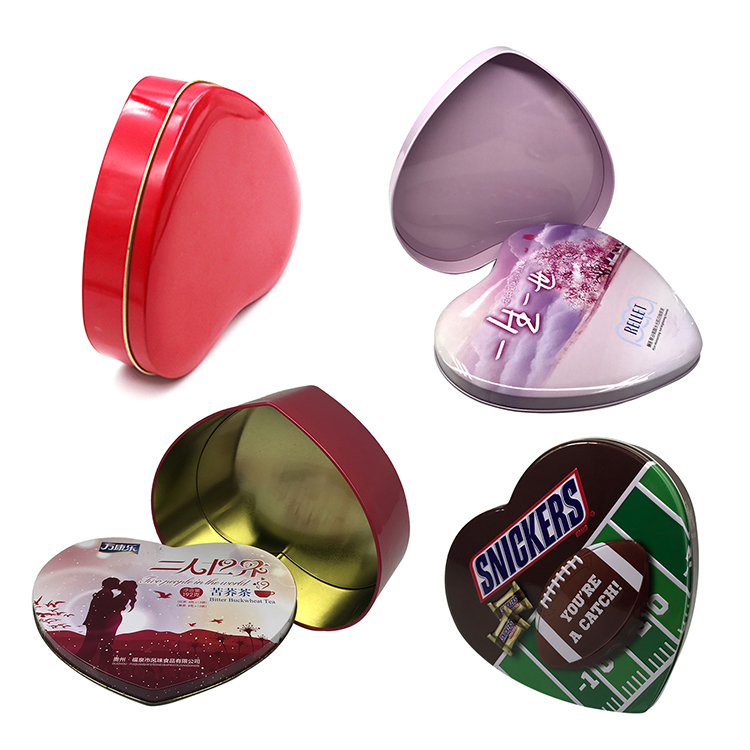
The Art and Utility of Custom Tobacco Tins: A Comprehensive Guide
author: Jeremy
2025-07-30
The Art and Utility of Custom Tobacco Tins: A Comprehensive Guide
Table of Contents
- Introduction: The Timeless Appeal of Custom Tobacco Tins
- A Journey Through Time: The Evolution of Metal Tobacco Containers
- Beyond Storage: The Multifaceted Utility of Custom Tobacco Tins
- Modern Tinplate Tobacco Tins: Weighing the Advantages and Drawbacks
- Expert Insights: The Future of Custom Tobacco Tins
- Frequently Asked Questions (FAQ)
Introduction: The Timeless Appeal of Custom Tobacco Tins
In an era dominated by disposable packaging, custom tobacco tins stand out as a blend of functionality, artistry, and sustainability. More than mere containers, these metal vessels have shaped tobacco culture, preserved history, and adapted to evolving consumer needs. From 18th-century handcrafted tin boxes to today’s laser-engraved, eco-friendly designs, tobacco tins have proven their enduring relevance. This guide explores their rich history, practical uses, and modern-day pros and cons, offering a complete overview for collectors, brands, and enthusiasts alike.
Another article The Evolution of Cigarette Tins
A Journey Through Time: The Evolution of Metal Tobacco Containers
2.1 Early Origins: Tinplate and the Birth of Sealed Storage
The story of metal tobacco packaging begins with tinplate—thin steel coated in tin—a material developed in 14th-century Bohemia (modern-day Czech Republic and Slovakia). Initially used for 餐具 (tableware), tinplate’s corrosion resistance made it ideal for preserving goods. By the 17th century, European nations like Britain and France sought to industrialize tinplate production, but high costs delayed progress until 1810, when British inventor Peter Durand patented the first tinplate can. Early craftsmen produced just 60 cans per day, a far cry from today’s automated lines.
Tobacco storage initially relied on wooden barrels and paper wraps, but by the 1780s, sealed tin containers emerged to solve a critical problem: tobacco freshness. Loose tobacco lost moisture and flavor quickly, but tin’s hermetic seal prolonged shelf life, revolutionizing distribution. These early tins featured paper labels to hide rust, but premium versions mimicked luxury snuff boxes with hand-painted designs.
2.2 The 19th Century: Lithography and Brand Identity
The 1870s marked a turning point with the invention of lithographic printing on tinplate, allowing direct, vibrant designs. Tobacco companies like W.D. & H.O. Wills and Ogden’s seized this opportunity to brand their products. Elaborate motifs—seafaring scenes, Victorian gentlemen, and patriotic symbols—turned tins into advertising tools. For example, the iconic “Players Navy Cut” tin, introduced in 1883, featured a sailor logo that became synonymous with the brand.
By the late 1800s, tobacco tins diversified in size and shape:
- Pocket tins: Small, flat containers for on-the-go use.
- Cylindrical drums: Large storage for bulk tobacco.
- Lunchbox-style pails: Reusable containers with handles, doubling as household storage after use.
2.3 20th Century Innovations: Mass Production and Design Diversity
The 20th century brought technological leaps:
- 1900: Electric welding machines simplified tin assembly.
- 1947: Automated can-making machines replaced manual labor.
- 1965–1973: Easy-open lids (aluminum then steel) enhanced convenience.
- 1990s: High-speed production lines achieved 1,000 cans per minute.
Design trends shifted with the times—Art Deco geometric patterns in the 1920s, bold colors in the 1950s, and minimalist styles in the 1990s. Today, vintage tins from this era are highly collectible, with rare examples fetching thousands of dollars at auctions.
Beyond Storage: The Multifaceted Utility of Custom Tobacco Tins
3.1 Preserving Freshness: The Primary Function
At their core, custom tobacco tins excel at protecting tobacco quality. Tinplate’s impermeability to light, oxygen, and moisture prevents mold, staling, and flavor degradation. Modern tins often include rubber gaskets for an airtight seal, ensuring pipe tobacco, cigars, or rolling tobacco remain fresh for months. For example, premium cigar brands like Lex12 use embossed tin containers to maintain humidity and enhance product appeal.
3.2 Collectibles and Nostalgia: Tins as Cultural Artifacts
Vintage tobacco tins are prized by collectors for their historical value and artistic merit. Factors like rarity, design complexity, and condition determine their worth. A 19th-century “Bulwark Cut Plug” tin, common but well-preserved, might sell for $50, while a rare pre-1900 hand-painted snuff tin could fetch over $5,000. Collectors often focus on specific brands (e.g., Wills, Ogden’s) or themes (military, sports), creating curated collections that tell stories of bygone eras.
3.3 Branding and Gifting: Customization for Modern Markets
Today, brands use custom tobacco tins to differentiate themselves. Options include:
- Embossed logos: Adding tactile depth to designs.
- Laser engraving: Personalizing tins with names or messages.
- Eco-friendly materials: Using recycled tinplate to align with sustainability goals.
Tins also serve as gift packaging for luxury tobacco products, gourmet teas, or craft chocolates. Their reusability—whether as pencil holders, jewelry boxes, or spice containers—extends brand exposure long after the initial use.
Modern Tinplate Tobacco Tins: Weighing the Advantages and Drawbacks
| Advantages | Disadvantages |
|---|---|
| Durability: Resistant to dents and punctures compared to plastic. | Weight: Heavier than aluminum or plastic, increasing shipping costs. |
| Barrier Properties: Blocks light, oxygen, and moisture effectively. | Production Costs: Energy-intensive manufacturing (e.g., steel smelting). |
| Recyclability: Steel is 100% recyclable; 80.5% of steel packaging is recycled in Europe. | Corrosion Risk: Requires protective coatings for acidic contents. |
| Printability: Supports high-resolution designs and vibrant colors. | Design Limitations: Less flexibility than plastic for complex shapes. |
Expert Insights: The Future of Custom Tobacco Tins
Industry leaders emphasize sustainability and innovation:
-
Jenny Wassenaar, Chief Sustainability Officer at Trivium Packaging:
“Metal packaging’s infinite recyclability—without loss of quality—positions it as a cornerstone of the circular economy. Our CO2-reduced tinplate, Bluemint Steel, cuts emissions by 69% compared to conventional methods, meeting brands’ ESG goals.” -
Paula Birch, Global Sales Director at Parkside Flexibles:
“Packaging’s role is evolving from mere protection to storytelling. Custom tobacco tins, with their tactile appeal and reusability, create emotional connections with consumers while reducing waste.” -
Dr. Ulphard Thoden van Velzen, Packaging Expert at Wageningen University:
“Reusable packaging must be evaluated holistically. While metal tins have higher upfront energy costs, their longevity and recyclability often offset environmental impact compared to single-use plastics.”
Frequently Asked Questions (FAQ)
Q1: Are tinplate tobacco tins safe for food storage?
A: Yes. Tinplate is food-grade and non-toxic, with a tin coating that prevents steel from reacting with acidic contents. Most tins include food-safe lacquers for added protection.
Q2: Can custom tobacco tins be personalized in small quantities?
A: Yes. Modern manufacturers offer low-minimum orders (e.g., 50–100 units) with digital printing or laser engraving, making them ideal for small brands or personalized gifts.
Q3: How do I clean and maintain a vintage tobacco tin?
A: Gently wipe with a damp cloth; avoid abrasive cleaners. For rust, use a mild vinegar solution. Store in a dry place to prevent corrosion.
Q4: Are tin tobacco tins more eco-friendly than plastic containers?
A: Generally, yes. While tinplate production uses more energy, its infinite recyclability and longer lifespan reduce overall environmental impact. Plastic, by contrast, often ends up in landfills or oceans.
Q5: What makes a tobacco tin collectible?
A: Rarity, age, condition, and design. Limited-edition tins, discontinued brands, or those with historical significance (e.g., wartime packaging) are most valuable.
Conclusion
Custom tobacco tins bridge the past and present, blending functionality with artistry. From preserving tobacco to telling brand stories, their versatility endures. As sustainability becomes paramount, tinplate’s recyclability and durability ensure these iconic containers will remain relevant for decades to come. Whether you’re a collector, brand owner, or enthusiast, the custom tobacco tin offers a timeless solution that marries tradition with innovation.
Airtight Ground Coffee Containers: Guardians of Freshness and Flavor
The Evolution of Cigarette Tins
Related Article
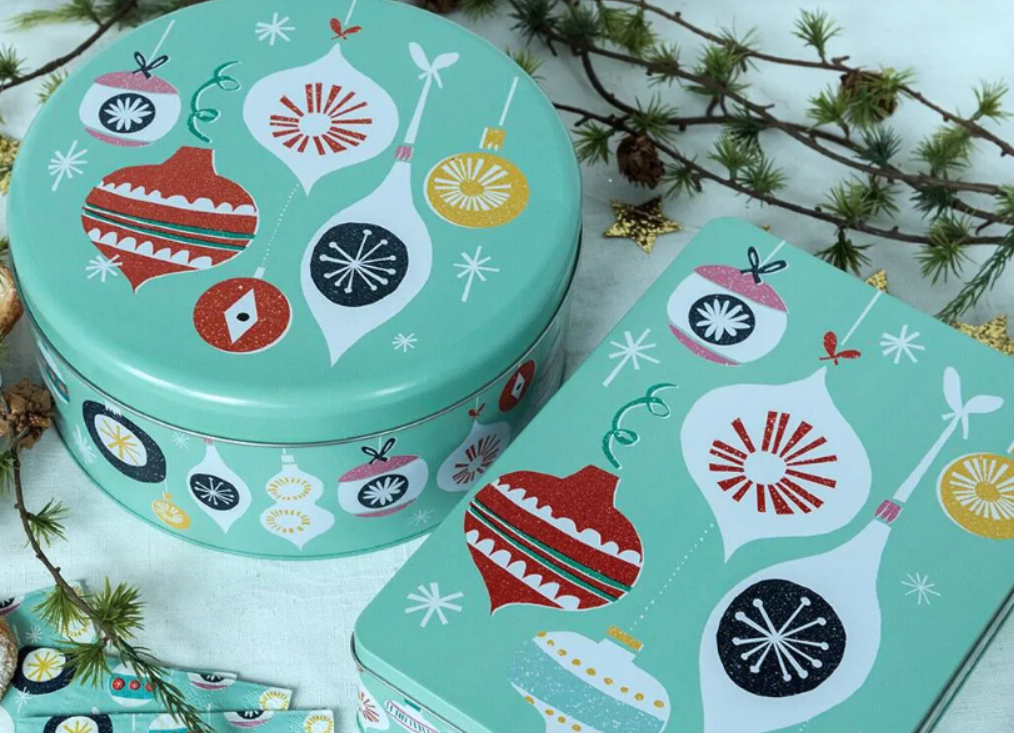
Driven by booming consumer upgrading trends and global low-carbon and environmental policies, the packaging industry has evolved far beyond simple product containment and protection. As a high-end mainstream packaging solution, metal tin cans are embracing comprehensive disruptive upgrades and defining new development trajectories amid fierce market competition in 2026.
Metal Can Industry Trends 2026: From Functional Packaging to Value Empowerment, Reshaping Competitive Logic
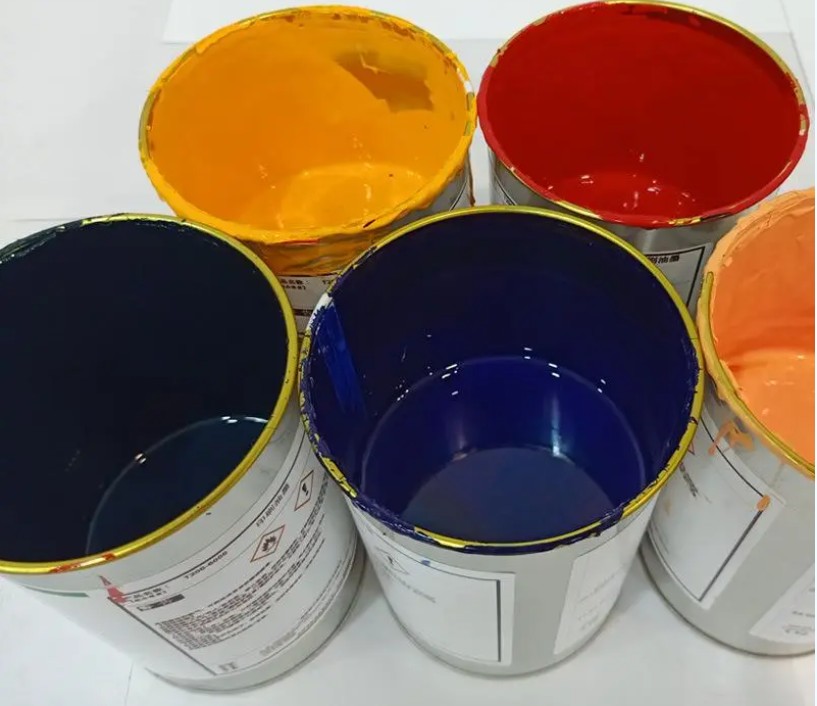
As the “invisible guardian” of metal packaging, coatings for printed metal & tinplate are undergoing an unprecedented industrial transformation driven by tightening environmental regulations and rising consumer demands. Every development in this sector now shapes the trajectory of the global metal packaging and can-making industry.
Coatings for Metal Packaging: Green Compliance & Smart Innovation Reshape the Global Can Industry