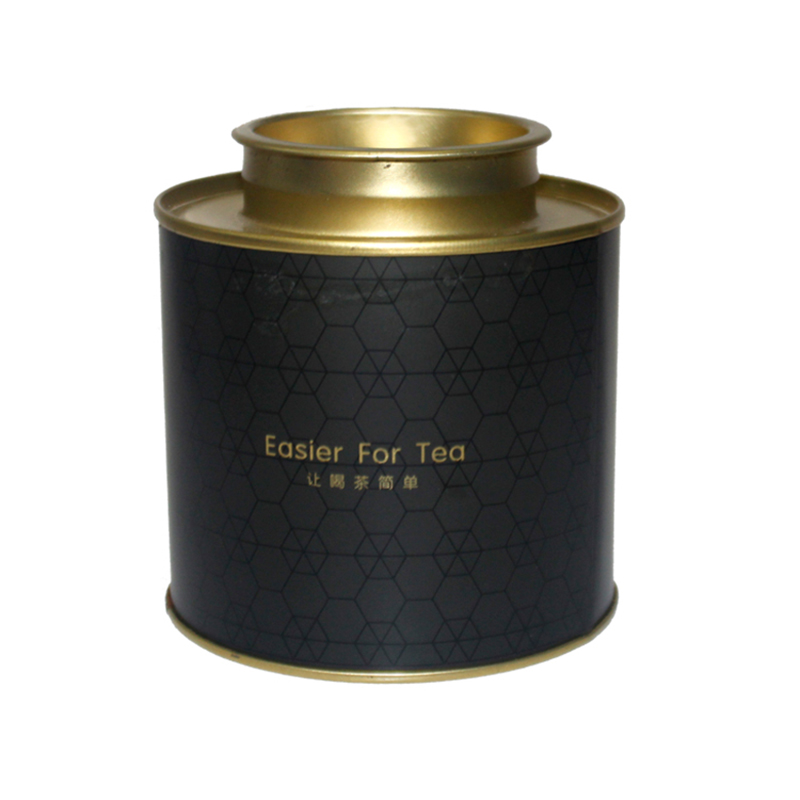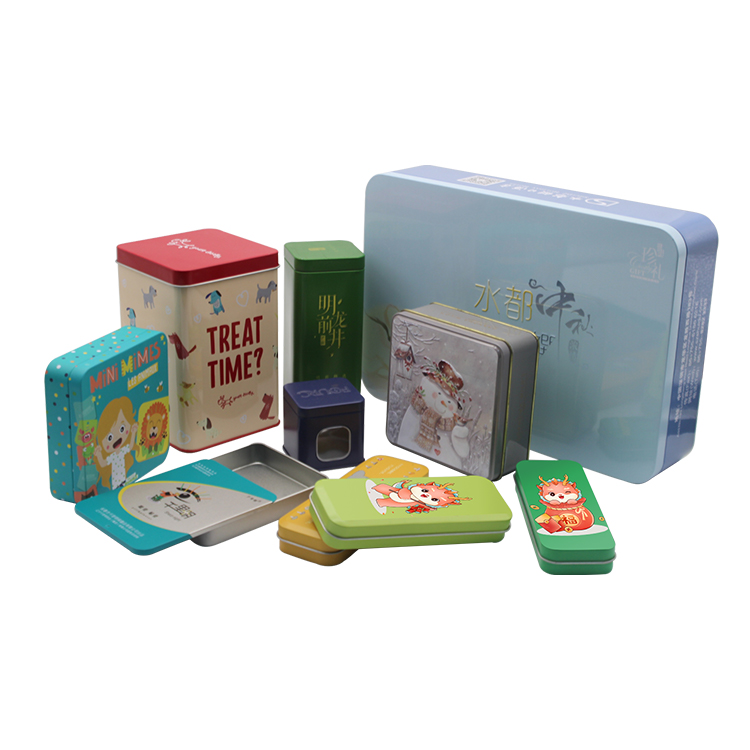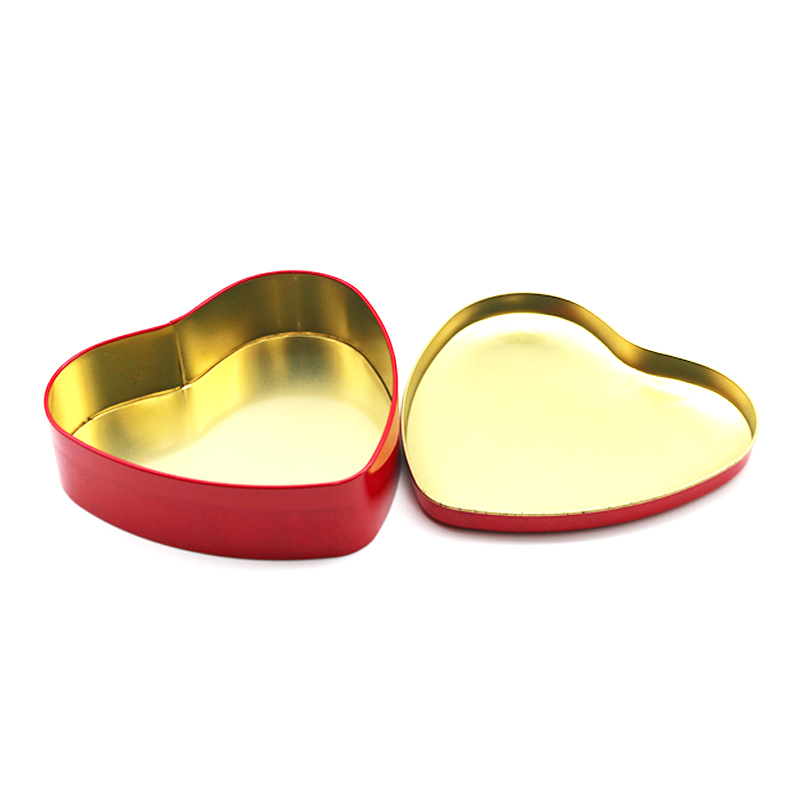
Gift Boxes: Timeless Elegance and Sustainable Packaging
Gift Boxes: Timeless Elegance and Sustainable Packaging
Table of Contents
-
What Are Gift Boxes?
-
From Tin Cans to Modern Luxury: A Historical Journey
-
Modern Uses of Gift Boxes
-
Pros and Cons of Tinplate Gift Boxes
-
Expert Insights on Design and Sustainability
-
FAQs About Gift Boxes
What Are Gift Boxes?


Gift boxes are decorative containers designed to present items in a visually appealing and organized manner. Crafted from materials like tinplate steel, cardboard, or wood, they serve purposes ranging from luxury gifting to practical storage. Whether housing chocolates, jewelry, cosmetics, or keepsakes, gift boxes enhance the unboxing experience while reflecting the giver’s thoughtfulness. Their versatility and eco-friendly potential—especially when made from recyclable materials like tinplate—make them a staple in both personal and commercial settings.
From Tin Cans to Modern Luxury: A Historical Journey
The Birth of Metal Packaging
The history of gift boxes traces back to 1810, when British merchant Peter Durand patented the tin can using tinned iron (iron coated with tin). Originally designed for preserving food, these early containers were utilitarian. By the mid-19th century, advancements in tinplate steel production allowed brands to experiment with decorative designs, paving the way for ornate tins used to package tea, biscuits, and tobacco—early ancestors of today’s gift boxes.
Victorian-Era Craftsmanship
In the late 1800s, companies like Cadbury and Huntley & Palmers transformed tinplate into artistic masterpieces. Elaborate lithography, floral motifs, and gold accents turned functional tins into household collectibles. These boxes were often reused for storing sewing supplies or trinkets, much like modern holiday tins and round gift boxes.
Modern Evolution
Post-WWII innovations introduced lightweight designs, easy-open lids, and eco-friendly coatings. Today’s tinplate gift boxes blend heritage aesthetics with sustainable practices, catering to eco-conscious consumers and luxury brands alike.
Please refer to another article Round Gift Boxes: Elegance, Tradition, and Sustainable Gifting.
Modern Uses of Gift Boxes
Luxury and Branding
-
Premium Gifting: High-end brands use custom-printed tinplate boxes for watches, perfumes, and jewelry, mirroring the sophistication of custom watch boxes.
-
Corporate Promotions: Reusable gift boxes with branded designs foster customer loyalty and align with sustainability goals.
Practical and Sustainable Solutions
-
Food and Confectionery: Airtight tinplate boxes preserve chocolates, cookies, or tea, leveraging their moisture-resistant properties (similar to tea cans).
-
Multi-Purpose Storage: Empty boxes organize crafts, office supplies, or heirlooms, extending their lifecycle.
Seasonal Celebrations
From holiday tins filled with treats to wedding favors, gift boxes add a tactile, nostalgic charm to special occasions.
Pros and Cons of Tinplate Gift Boxes
Advantages
-
Durability: Resistant to rust, dents, and temperature changes—ideal for shipping and long-term use.
-
Eco-Friendly: Tinplate steel is 100% recyclable and endlessly reusable, reducing plastic waste.
-
Aesthetic Flexibility: Embossing, prints, and metallic finishes cater to diverse branding needs.
Challenges
-
Cost: Higher production expenses than cardboard or plastic alternatives.
-
Weight: Bulkier design increases transportation emissions.
-
Recycling Complexity: Mixed materials (e.g., plastic liners) require separation before recycling.
Expert Insights on Design and Sustainability
Dr. Emily Carter, a packaging historian (referenced in our round gift boxes article), notes:
“Tinplate gift boxes are a bridge between tradition and innovation. Their recyclability and timeless appeal make them a sustainable choice, but simplifying material blends is key to improving recycling rates.”
Luca Marino, a luxury brand consultant, adds:
“A gift box isn’t just packaging—it’s an emotional touchpoint. The weight and texture of tinplate convey quality before the box is even opened, much like custom watch boxes.”
FAQs About Gift Boxes
1. Are tinplate gift boxes safe for food items?
Yes! Modern food-grade liners prevent contamination. Avoid antique tins with lead-based coatings.
2. How do I recycle tinplate boxes?
Rinse, remove non-metal parts (e.g., ribbons), and recycle with metals. Tinplate steel retains quality through endless cycles.
3. Can I customize gift boxes for small businesses?
Absolutely—many suppliers offer budget-friendly options for custom prints, sizes, and shapes.
4. Why choose tinplate over plastic?
Tinplate offers superior durability, recyclability, and a premium unboxing experience, aligning with eco-conscious trends.
Conclusion
From Victorian-era biscuit tins to modern eco-friendly gift boxes, tinplate has preserved both products and traditions. Like their cousins—tea cans and round gift boxes—they prove that thoughtful design can marry sustainability with elegance, turning everyday packaging into cherished keepsakes.
Custom Gift Boxes: Where Personalization Meets Sustainable Luxury
round Boxes: Circular Design Meets Timeless Utility
Related Article