Tin of Beans: A Staple of Convenience and Sustainability
Tin of Beans: A Staple of Convenience and Sustainability
Table of Contents
-
What is a Tin of Beans?
-
The Historical Journey of Tin, Iron, and Tinplate Containers
-
Modern Uses and Benefits of Tinned Beans
-
Pros and Cons of Modern Tinplate Bean Cans
-
Expert Perspectives on Food Preservation and Recycling
-
FAQs About Tinned Beans
What is a Tin of Beans?
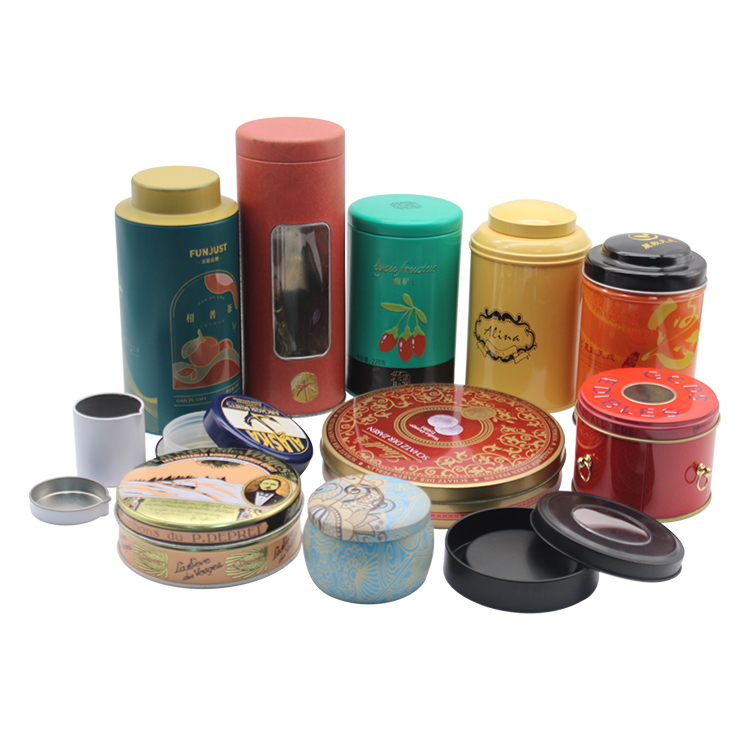

A tin of beans is a pre-cooked, shelf-stable food product packaged in a tinplate steel or aluminum container. These tins preserve beans’ nutritional value, flavor, and freshness for years, offering a convenient, eco-friendly solution for quick meals, emergency supplies, or camping trips. Brands like Heinz and Bush’s have made them pantry staples worldwide.
The Historical Journey of Tin, Iron, and Tinplate Containers
The Birth of Canned Food
The story begins in 1810 when Peter Durand patented the tin can using tinned iron (iron coated with tin). Initially designed for naval food preservation, the first canned goods included meats and vegetables—paving the way for the tin of beans we know today.
Beans Go Mainstream
By the late 1800s, industrialization made tinplate steel cans affordable. Companies like Van Camp’s began mass-producing canned pork and beans, popularizing them as affordable, non-perishable meals during the Great Depression.
Wartime Nutrition and Beyond
During WWII, iron tin containers became critical for feeding troops. Post-war innovations, like easy-open lids and BPA-free liners, transformed the humble tin of beans into a modern kitchen essential—mirroring advancements seen in coffee tins and food tins.
Modern Uses and Benefits of Tinned Beans
Convenience Meets Nutrition
-
Long Shelf Life: Stays edible for 2-5 years, perfect for emergencies.
-
Quick Meals: Ready-to-eat beans reduce cooking time for busy households.
Sustainability and Versatility
-
Recyclable Packaging: Tinplate steel cans are 100% recyclable, aligning with zero-waste goals.
-
Creative Reuse: Empty tins become planters, utensil holders, or DIY crafts (like popcorn cans and gift tin boxes).
Please refer to the previous article Popcorn Cans at Walmart: Snack Storage Meets Nostalgic Charm
Pros and Cons of Modern Tinplate Bean Cans
Advantages
-
Eco-Friendly: Infinitely recyclable, reducing plastic waste.
-
Durability: Resists rust, dents, and extreme temperatures during storage/shipping.
-
Cost-Effective: Affordable production supports low retail prices.
Disadvantages
-
Energy-Intensive Recycling: Requires high heat, which may not be accessible globally.
-
Weight: Heavier than pouches, increasing transportation emissions.
Expert Perspectives on Food Preservation and Recycling
Dr. Emily Carter (quoted in our recyclable tin cans article) states:
“Tinned beans exemplify how tinplate steel balances food safety and sustainability. Their airtight seals prevent spoilage, while recyclability supports circular economies. However, improving global recycling infrastructure is key to maximizing their environmental benefits.”
FAQs About Tinned Beans
1. Are tinned beans healthy?
Yes! They retain most nutrients, though opt for low-sodium versions if concerned about salt intake.
2. Can I recycle bean tins with labels?
Yes—rinse the tin and remove labels to streamline recycling.
3. How long do tinned beans last after opening?
Transfer leftovers to a sealed container and refrigerate; consume within 3-4 days.
4. Are tinplate bean cans better than plastic pouches?
Yes—they’re more durable, recyclable, and block light to preserve flavor.
Conclusion
From naval rations to modern pantries, the tin of beans has evolved into a symbol of practicality and sustainability. Much like its cousins—coffee tins and popcorn cans—it proves that simple innovations can nourish both people and the planet.
How do you reuse your bean tins? Share your ideas in the comments!
Canned Food: Preserving Nutrition, Sustainability, and Convenience
Coffee in a Tin: Freshness, Sustainability, and Timeless Appeal
Related Article