Coffee Tin Boxes: Preserving Freshness and Heritage
Coffee Tin Boxes: Preserving Freshness and Heritage
Table of Contents
-
What is a Coffee Tin Box?
-
The History of Tin, Iron, and Tinplate Containers
-
Modern Uses of Coffee Tin Boxes
-
Pros and Cons of Modern Tinplate Coffee Tins
-
Expert Insights on Sustainable Coffee Storage
-
FAQs About Coffee Tin Boxes
What is a Coffee Tin Box?


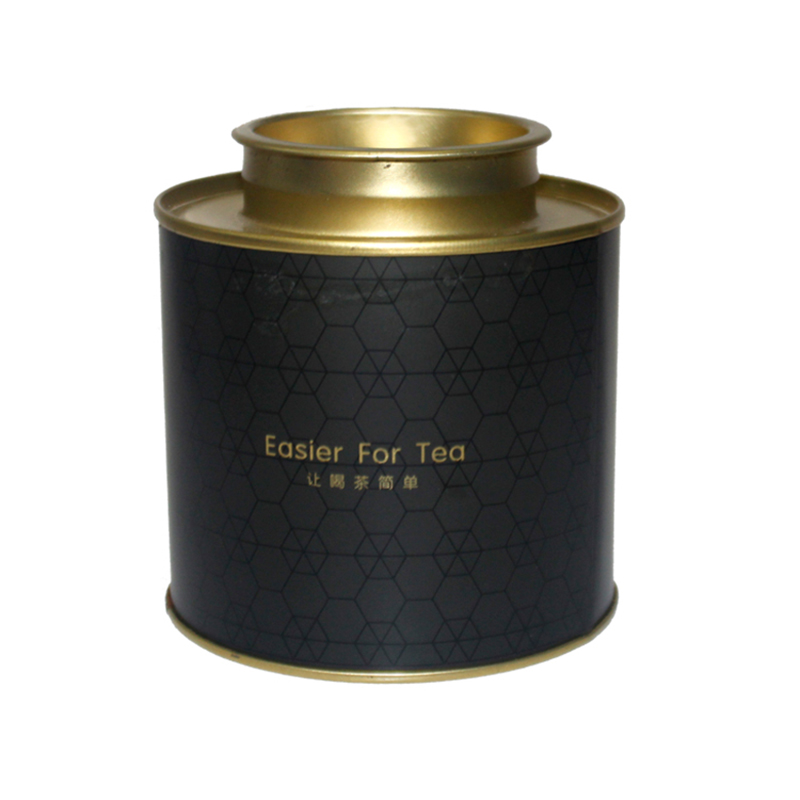
A coffee tin box is a durable, airtight container made from tinplate steel or iron tin, designed to preserve coffee beans’ freshness and aroma. These tins are not only functional but also serve as stylish décor pieces, often reused for storing spices, office supplies, or as retro-inspired kitchen accents.
The History of Tin, Iron, and Tinplate Containers
Origins of Metal Storage
The story begins in 1810 when Peter Durand patented the first tin can using tinned iron (iron coated with tin). Initially used for preserving food for sailors, this innovation paved the way for metal containers like coffee tin boxes.
The Golden Age of Tinplate
By the late 1800s, steel tin boxes became symbols of quality. Companies like Hills Brothers Coffee adopted tinplate tins to package coffee, combining practicality with eye-catching lithographed designs.
From Wartime to Modern Kitchens
During WWII, iron tin containers were critical for transporting supplies. Post-war, brands shifted focus to household goods, making coffee tin boxes a kitchen staple.
Modern Uses of Coffee Tin Boxes
Freshness First
Modern coffee tin boxes use airtight seals and UV-resistant materials to protect coffee from moisture, light, and oxygen—key enemies of freshness.
Beyond Coffee Storage
-
Decorative Display: Vintage-style tins add rustic charm to kitchens.
-
Multi-Purpose Organizers: Store tea bags, sugar, or kitchen utensils.
-
Sustainable Gift Packaging: Reuse tins for DIY gifts or holiday treats.
Linking to Cookie Tins and Child Proof Boxes
Like cookie tins and child proof tin boxes (featured in our earlier articles), coffee tin boxes highlight the versatility of tinplate steel—balancing tradition with modern needs for freshness, safety, and sustainability.
Please refer to the previous article Cookie Tins: A Timeless Blend of Tradition and Practicality
Pros and Cons of Modern Tinplate Coffee Tins
Advantages
-
Freshness Preservation: Blocks light, air, and moisture to extend coffee shelf life.
-
Eco-Friendly: 100% recyclable and reusable, reducing single-use waste.
-
Aesthetic Value: Vintage designs enhance kitchen décor.
Disadvantages
-
Cost: More expensive than plastic or paper packaging.
-
Weight: Bulkier for shipping compared to lightweight alternatives.
Expert Insights on Sustainable Coffee Storage
Dr. Laura Simmons, a packaging sustainability expert (referenced in our child proof tin box article), notes:
“Coffee tin boxes are a win for eco-conscious consumers. Their tinplate steel construction offers infinite reuse potential, and their airtight design ensures coffee stays fresh while reducing food waste.”
FAQs About Coffee Tin Boxes
1. Can I recycle coffee tin boxes?
Yes! Tinplate steel is fully recyclable. Remove paper labels and rinse before recycling.
2. How do I clean old coffee tins?
Wash with mild soap and water. For stubborn odors, use a baking soda paste.
3. Are they safe for long-term coffee storage?
Absolutely—their airtight seals and opaque materials protect against staleness.
4. Can I use coffee tins for other foods?
Yes, but ensure they’re lined with food-grade coatings if storing liquids or acidic items.
Conclusion
From 19th-century naval provisions to today’s artisanal coffee culture, coffee tin boxes have brewed a legacy of practicality and charm. Much like their cousins—cookie tins and child proof boxes—they prove that great design never goes out of style.
Share your coffee tin hacks in the comments below!
Gift Tin Boxes: Elegant, Sustainable, and Timeless
Cookie Tins: A Timeless Blend of Tradition and Practicality
Related Article