Gift Boxes: Where Tradition Meets Sustainable Presentation
Gift Boxes: Where Tradition Meets Sustainable Presentation
Table of Contents
-
What Are Gift Boxes?
-
Historical Evolution: From Tinned Iron to Modern Elegance
-
Modern Applications & Sustainability
-
Tinplate Gift Boxes: Pros and Cons
-
Expert Insights: Psychology & Eco-Design
-
FAQs About Gift Boxes
What Are Gift Boxes?
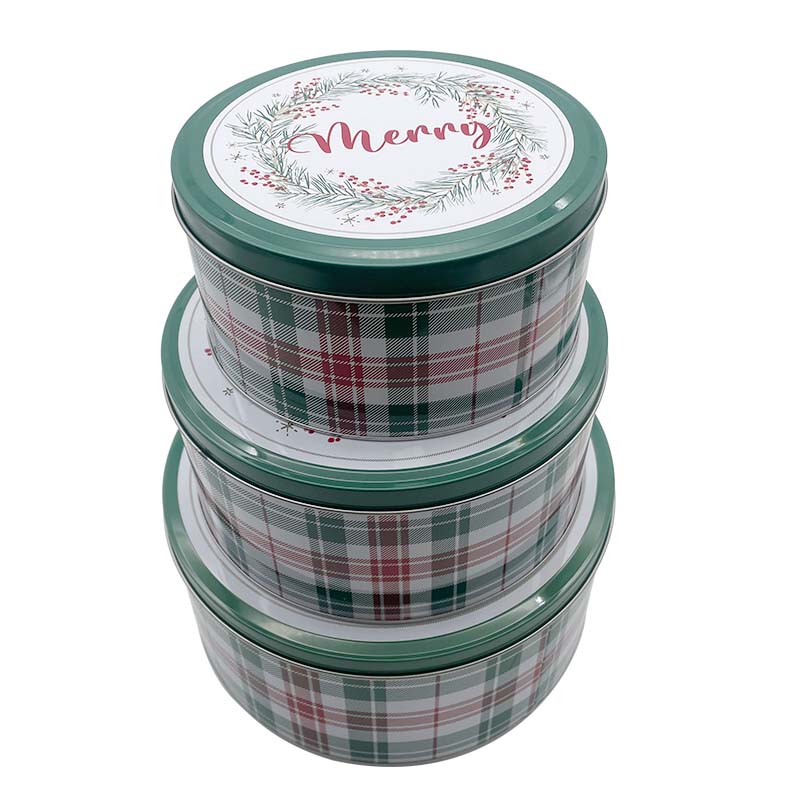

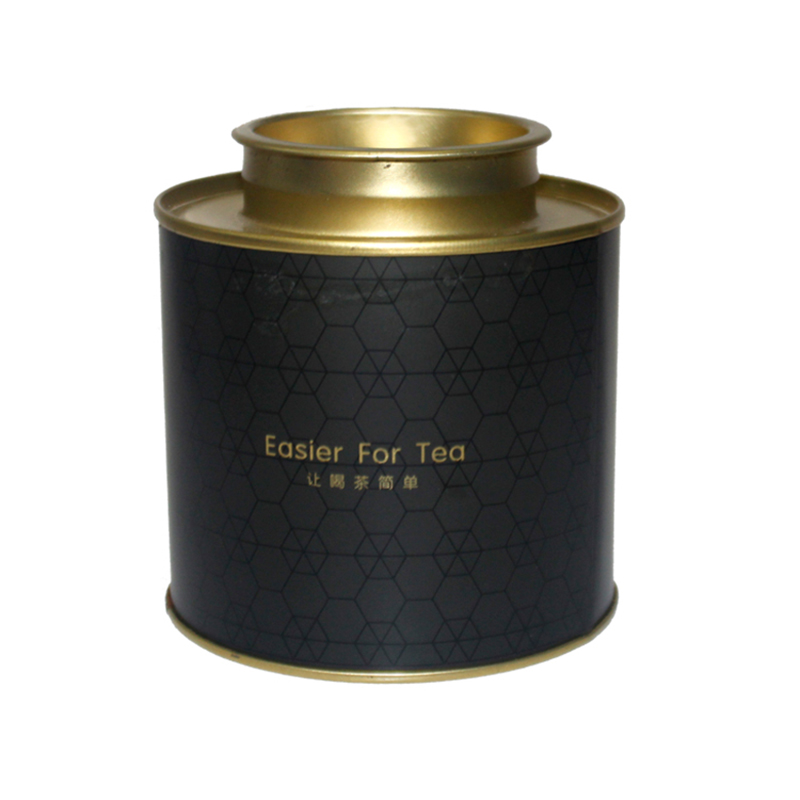
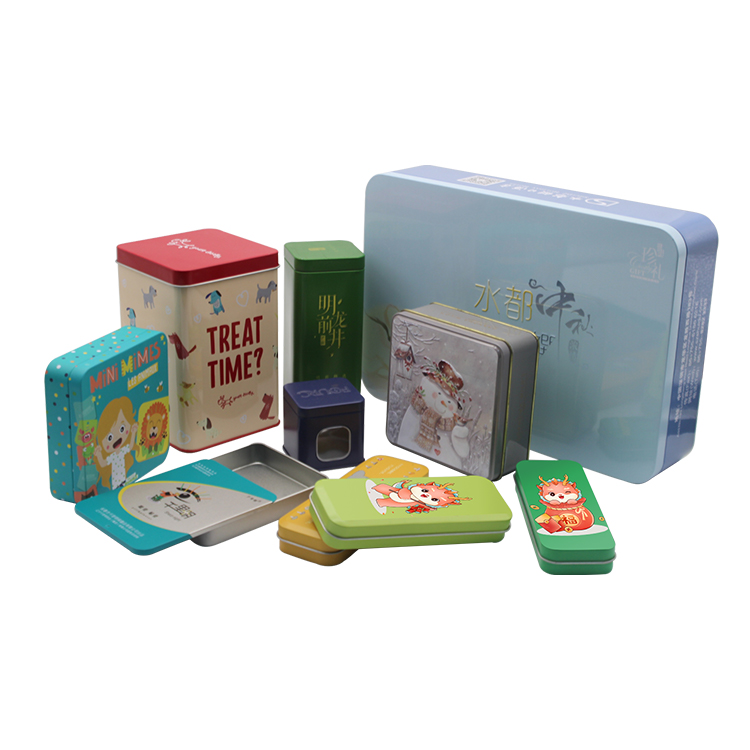
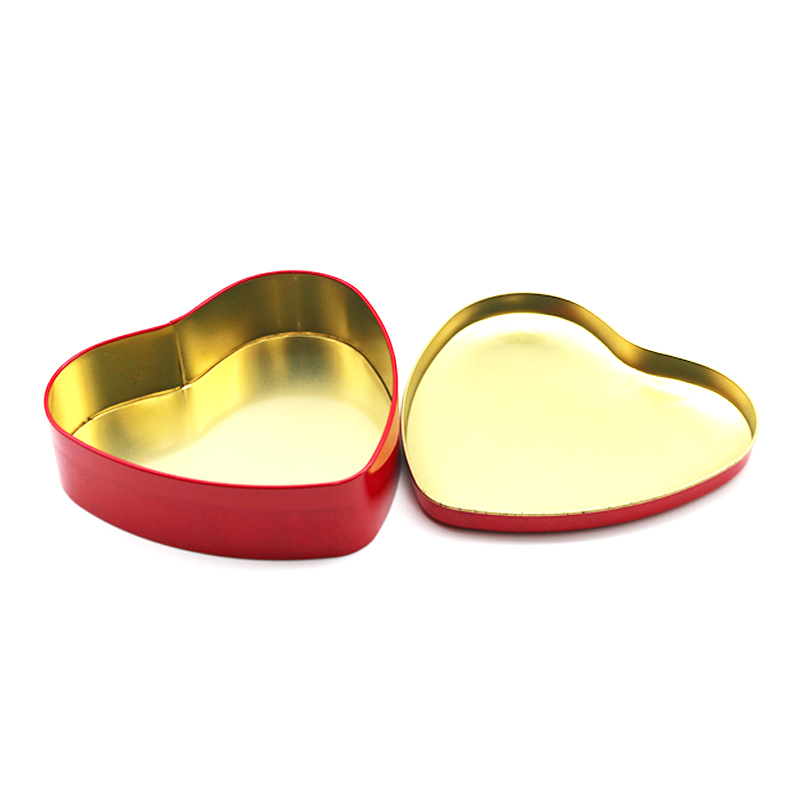
Gift boxes are curated packaging solutions designed to elevate gifting experiences. Crafted from materials like tinplate steel, wood, or recycled cardboard, they serve three core purposes:
-
Presentation: Transform ordinary items into luxury gifts through custom designs.
-
Protection: Shield contents from damage during transit (e.g., fragile glassware).
-
Sustainability: Reusable/recyclable options reduce waste—especially tinplate boxes, which last decades.
Please refer to another article Metal Outdoor Storage Boxes: Guardians of Your Garden Memories
Historical Evolution: From Tinned Iron to Modern Elegance
Naval Necessity to Victorian Opulence (1810–1900)
-
1810: British merchant Peter Durand patents the tin can using tinned iron for food preservation during sea voyages.
-
1860s: Brands like Cadbury and Huntley & Palmers pioneer decorative tinplate steel boxes for biscuits/tea, featuring floral lithography. These became reusable household staples—storing sewing kits or trinkets.
Wartime Utility to Consumer Revolution (1940s–Present)
-
WWII: Iron tin crates protect military supplies.
-
1950s: Mass production enables affordable gift boxes.
-
2020s: Digital printing and eco-coatings allow bespoke, sustainable designs.
Modern Applications & Sustainability
Luxury & Branding
-
Premium Gifting: Tinplate boxes for watches, perfumes, or artisan foods (like wine gift boxes).
-
Corporate Identity: Custom logos/colors boost brand recall (e.g., Tiffany & Co. blue boxes).
Eco-Innovation
| Feature | Benefit |
|---|---|
| Reusability | 72% of consumers reuse gift boxes for storage |
| Recyclability | Tinplate steel is 100% recyclable |
| Biodegradable Fillers | Replace plastic foam with mushroom packaging |
Tinplate Gift Boxes: Pros and Cons
| Advantages | Disadvantages |
|---|---|
| ✅ Durability: Resists dents, moisture, UV rays | ❌ Weight: 30% heavier than cardboard |
| ✅ Shelf Appeal: Metallic sheen attracts 40% more buyers | ❌ Cost: $3–12/unit vs. $0.50–$3 for cardboard |
| ✅ Eco-Lifecycle: Recyclable 10+ times | ❌ Recycling Hurdles: Plastic liners require removal |
Expert Insights: Psychology & Eco-Design
Dr. Emma Carter (Packaging Historian):
"Tinplate’s emotional durability drives reuse—70% of recipients keep boxes for memories. But brands must phase out plastic windows for true sustainability."
James Wilson (Consumer Psychologist):
"Unboxing a tinplate gift triggers sensory nostalgia. The click of the lid releases dopamine, creating powerful brand associations."
FAQs About Gift Boxes
1. Are tinplate boxes eco-friendly?
Yes! They’re infinitely recyclable. Opt for water-based inks and paper ribbons to reduce waste.
2. Can I customize small batches?
Most suppliers offer 50-unit minimums with options for embossing, foil stamps, or shaped designs.
3. How do tinplate boxes compare to wood?
| Factor | Tinplate | Wood |
|---|---|---|
| Moisture Resistance | ✅ Superior | ❌ Warps in humidity |
| Customization | ✅ High (prints/shapes) | ✅ Medium (engraving only) |
| Eco-Impact | ✅ 100% recyclable | ✅ Biodegradable |
4. Why do luxury brands prefer tinplate?
-
Premium feel: Weight and sheen signal quality.
-
Brand longevity: Reused boxes extend marketing reach.
Conclusion
From Peter Durand’s naval tins to modern sustainable gift boxes, tinplate has redefined gifting through resilience and artistry. Like their cousins—cookie tins and tea caddies—these boxes prove heritage materials can evolve to meet eco-conscious demands, turning fleeting moments into lasting legacies.
"A gift box is the silent ambassador of your thoughtfulness."
The Ultimate Guide to Snack Boxes
Wine Gift Boxes: Elevating Tradition with Sustainable Sophistication
Related Article