Canned Food: Preserving Nutrition, Sustainability, and Convenience
Canned Food: Preserving Nutrition, Sustainability, and Convenience
Table of Contents
-
What Are Canned Foods?
-
The Historical Evolution of Tin, Iron, and Tinplate Cans
-
Modern Uses and Benefits of Canned Foods
-
Pros and Cons of Modern Tinplate Cans
-
Expert Insights on Food Preservation and Sustainability
-
FAQs About Canned Foods
What Are Canned Foods?
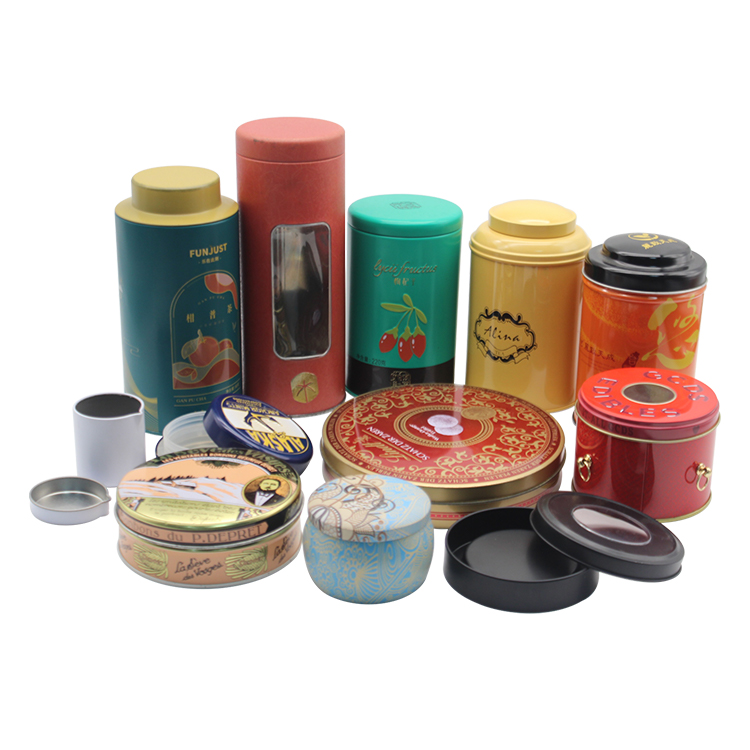
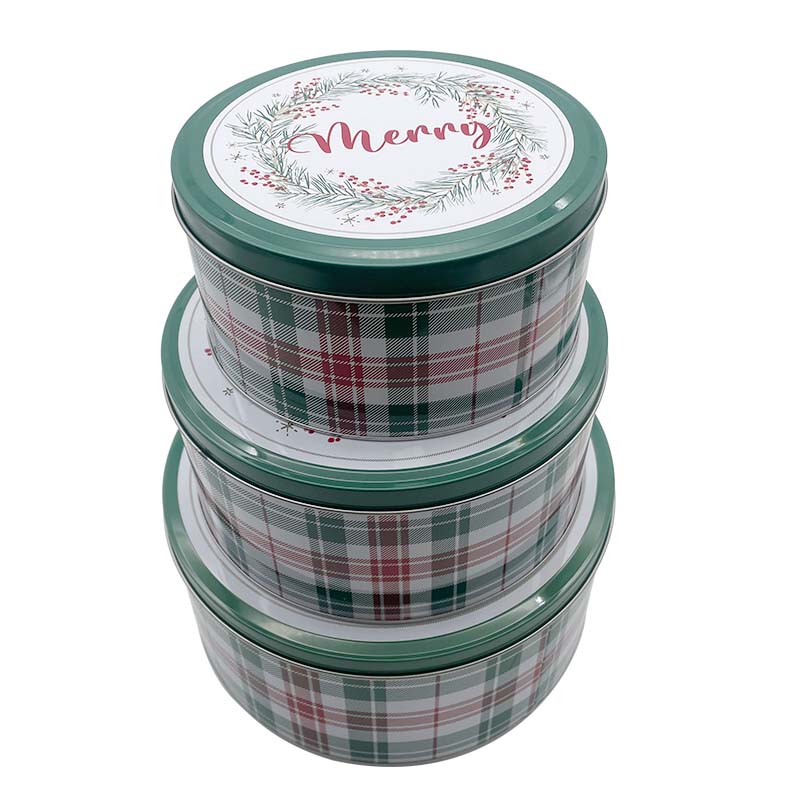
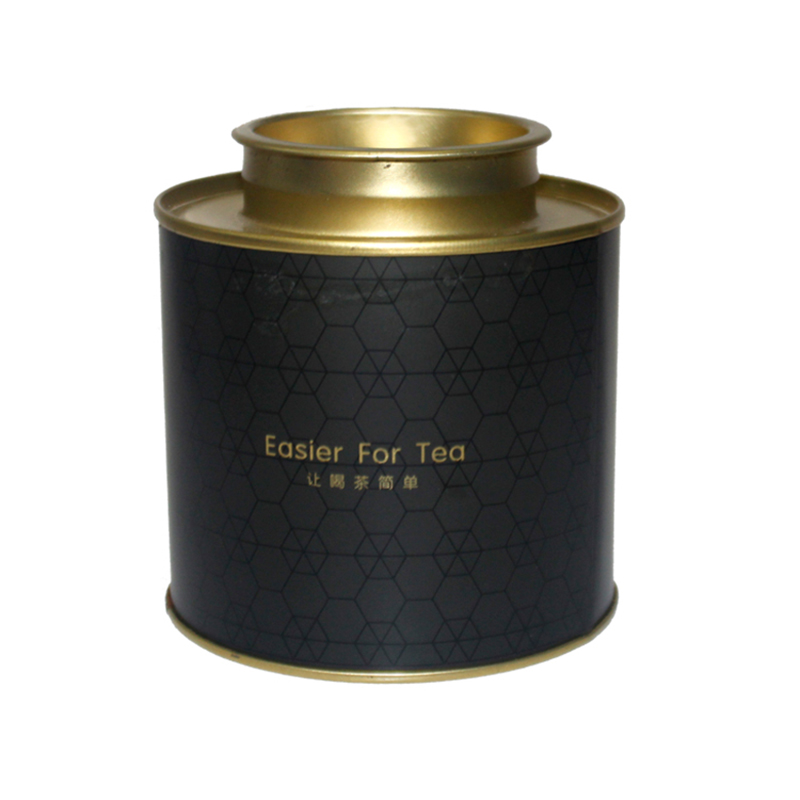
Canned foods are perishable goods preserved in airtight containers made from tinplate steel or aluminum. These hermetically sealed packages protect contents from light, air, and bacteria, extending shelf life for years while retaining nutritional value. Ideal for emergencies, camping, or daily meals, they offer eco-friendly, space-efficient solutions for households and industries alike14.
The Historical Evolution of Tin, Iron, and Tinplate Cans
Early Innovations in Food Preservation
The story of canned food began in 1809 when French inventor Nicolas Appert developed a method to preserve food in glass jars, winning a prize from Napoleon’s government for feeding troops during wartime1. By 1810, British merchant Peter Durand patented the tin can, using tinned iron (iron coated with tin) to create durable, portable containers2. Early cans were bulky and required tools to open, but they revolutionized long-term food storage for naval expeditions and armies1.
Industrialization and Mass Adoption
By the mid-19th century, advancements in tinplate steel production made cans affordable. Brands like Campbell’s Soup and Heinz popularized canned goods, turning them into household staples during the Great Depression14. The first commercial canned foods in the U.S. included oysters, fruits, and condensed milk, paving the way for today’s diverse offerings1.
Modern Innovations
Post-WWII, tinplate cans evolved with easy-open lids, BPA-free liners, and lightweight designs. These improvements aligned with sustainability trends, mirroring advancements seen in coffee tins and gift tin boxes24.
Modern Uses and Benefits of Canned Foods
Nutrition and Convenience
-
Long Shelf Life: Canned foods remain edible for 2–5 years, making them critical for disaster preparedness4.
-
Portability: Lightweight and unbreakable, they are ideal for outdoor activities and travel7.
Sustainability and Versatility
-
Recyclability: Tinplate steel cans are 100% recyclable, reducing landfill waste2.
-
Creative Reuse: Empty cans can be repurposed as planters, organizers, or DIY décor, much like cookie tins and popcorn cans45.
Economic Impact
Canned foods reduce food waste and offer affordable nutrition, particularly in regions with limited access to fresh produce10.
Please refer to another article Canned Food Storage: Preserving Nutrition and Reducing Waste
Pros and Cons of Modern Tinplate Cans
Advantages
-
Freshness Preservation: Blocks light, oxygen, and pathogens better than plastic or glass24.
-
Durability: Resistant to rust, dents, and extreme temperatures9.
-
Cost-Effective: Bulk production lowers costs for manufacturers and consumers4.
Disadvantages
-
Recycling Challenges: Requires industrial facilities, which are unavailable in some regions2.
-
Weight: Bulkier than pouches, increasing transportation emissions9.
Expert Insights on Food Preservation and Sustainability
Dr. Emily Carter, a packaging sustainability expert, notes:
“Canned foods exemplify how tinplate steel balances food safety and environmental goals. Their airtight design prevents spoilage, while recyclability supports circular economies. However, improving global recycling infrastructure is essential to maximize their benefits”14.
FAQs About Canned Foods
1. Are canned foods healthy?
Yes! Most retain vitamins and minerals, though opt for low-sodium or no-added-sugar varieties15.
2. Can I eat canned meat without cooking it?
Yes—canned meats are fully cooked during sterilization. However, always check for dents or breaches in the seal7.
3. How do I recycle tinplate cans?
Rinse, remove labels, and place in metal recycling bins. Tinplate steel is infinitely recyclable29.
4. How long do canned foods last after opening?
Transfer leftovers to a sealed container and refrigerate; consume within 3–4 days5.
Conclusion
From Napoleonic battlefields to modern pantries, canned foods have safeguarded nutrition and convenience for centuries. Like their cousins—coffee tins and recyclable tin cans—they prove that innovation and sustainability can coexist, one tin at a time.
Share your favorite canned food hacks in the comments below!
Cookie Tins with Window Lids: Transparency Meets Timeless Tradition
Tin of Beans: A Staple of Convenience and Sustainability
Related Article