What are the benefits of using tin cans to store chocolate?
Tin Cans: The Ultimate Guide to Their Uses and Advantages
Table of Contents
- Introduction to Tin Cans
- Primary Uses of Tin Cans
- Technical Specifications
- Tin Cans vs. Iron Cans: Pros and Cons
- Conclusion
Introduction to Tin Cans
Tin cans, made from tinplate (steel coated with a thin layer of tin), have been a cornerstone of packaging since the 19th century. Their durability, corrosion resistance, and recyclability make them indispensable across industries. This blog explores their applications, technical details, and how they compare to iron cans.
Primary Uses of Tin Cans
1. Food and Beverage Storage
Tin cans are widely used to preserve canned foods like vegetables, soups, and fish. Their airtight seals prevent spoilage, extending shelf life up to 5 years.
2. Industrial Applications
They safely store chemicals, oils, and paints due to their non-reactive properties, protecting contents from moisture and contamination.
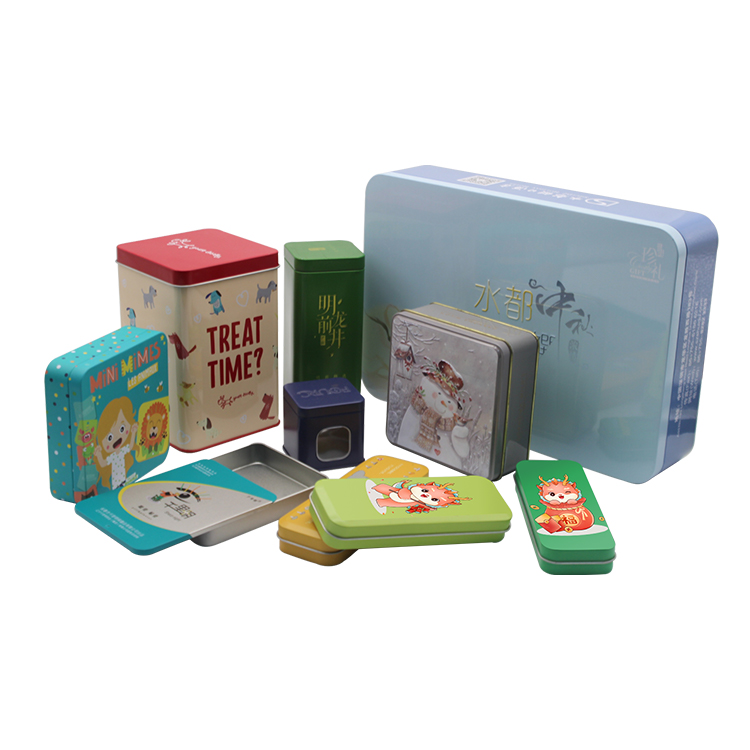
3. Decorative and Specialty Packaging
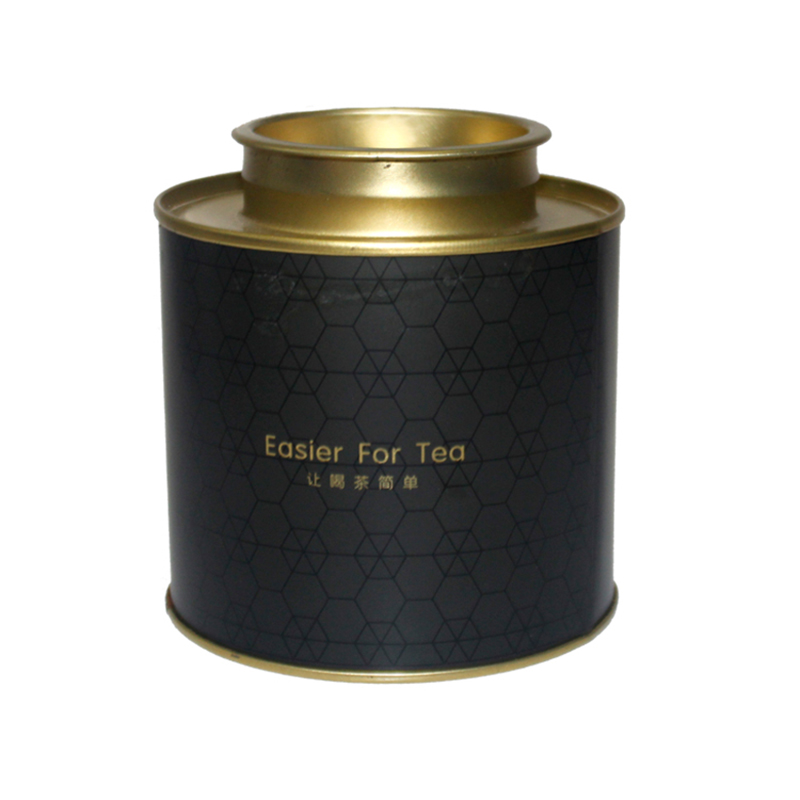
Brands use tin cans for luxury items like premium teas, cosmetics, and collectibles, leveraging their customizable designs and aesthetic appeal.
Technical Specifications of Tin Cans
Standard Parameters
| Parameter | Specification |
|---|---|
| Material | Tinplate (Steel + 1-2% Tin Coating) |
| Thickness | 0.15–0.30 mm |
| Capacity | 50 mL – 20 L |
| Temperature Range | -40°C to 150°C |
| Recyclability | 100% Recyclable |
Tin Cans vs. Iron Cans: Pros and Cons
Advantages of Tin Cans
1. Corrosion Resistance
The tin coating prevents rust, making them ideal for acidic or humid environments. Iron cans corrode faster without protective layers.
2. Lightweight Design
Tin cans are 25–35% lighter than iron cans, reducing shipping costs and carbon emissions.
3. Eco-Friendly
Tin cans are infinitely recyclable without quality loss, unlike iron cans, which degrade over recycling cycles.
Disadvantages of Tin Cans
1. Higher Cost
Tin plating increases production costs by 10–20% compared to plain iron cans.
2. Lower Structural Strength
For heavy-duty storage (e.g., construction materials), iron cans offer better load-bearing capacity.
Key Takeaway
Choose tin cans for corrosion-prone or eco-sensitive uses, and iron cans for cost-effective, heavy-load applications.
Conclusion
From preserving food to elevating brand aesthetics, tin cans deliver unmatched versatility and sustainability. Their corrosion resistance and recyclability make them a future-proof choice, while iron cans remain niche for rugged storage. For industries prioritizing quality and environmental impact, tin cans are the clear winner.
Cookie Tins: A Timeless Blend of Tradition and Practicality
Related Article